Owning a home on the Sunshine Coast comes with perks. You enjoy beautiful weather and light breezes. But the same climate can take a toll on your walls and ceilings. Humidity, rain, and heat can cause wear and tear over time.
In this guide we walk you through the ten most common wall and ceiling damage in Sunshine Coast homes. We explain how professionals identify them. We also describe how they fix them for lasting results.
This post is for homeowners who want to spot issues early. And it helps you know when it is time to call in expert help.
Why Wall & Ceiling Damage Is So Common in Sunshine Coast Homes
How QLD Weather Affects Walls & Ceilings
Queensland’s coastal weather brings high humidity, salt air, and frequent rain. Moisture can seep into plaster, wood, or paint over time. That leads to warping, swelling, or cracking.
Heavy rainfall can strain roofs and ceilings. Leaks may follow. Over time that causes water stains or structural damage.
Seasonal temperature swings can make building materials expand or contract. That movement can cause cracks or gaps around doors, windows, or wall joints.
Signs You Should Never Ignore
Keep an eye out for these warning signs: hairline cracks on walls, ceiling stains, sagging plaster, peeling paint, mold growth, gaps around windows, bulging walls, and holes or dents.
If you spot even one sign early, acting fast can save money. It can also prevent a small issue from becoming a major repair.
1. Cracks in Plaster Walls
Hairline Cracks vs Structural Cracks
Hairline cracks are thin. They are usually surface level. They might be caused by drying plaster or minor shifting as the house settles.
Structural cracks are wider. They might run diagonal or vertical. They can be a sign of movement in the building frame or foundation.
How Pros Perform Plaster Crack Repair
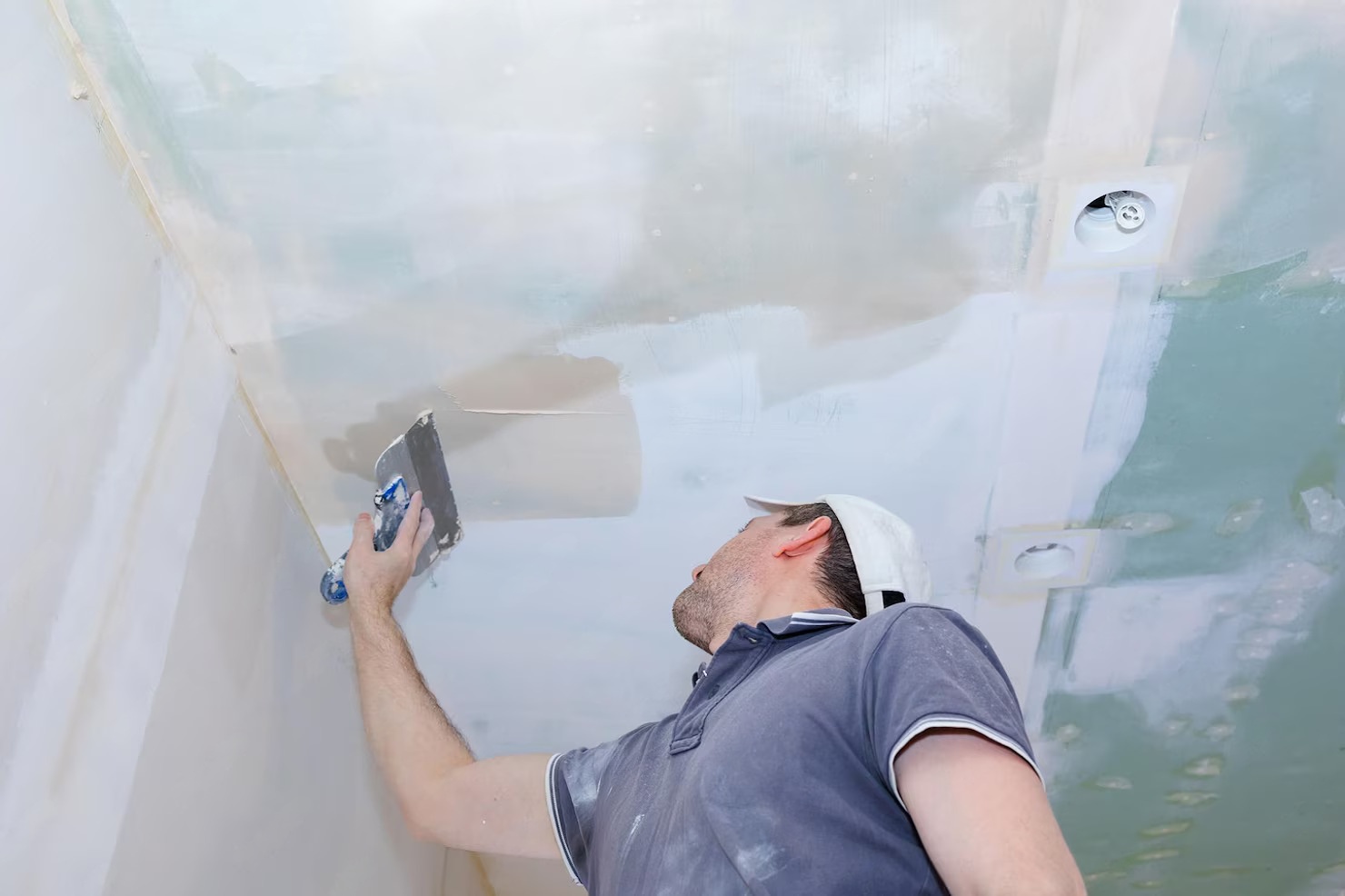
First, professionals inspect the crack. They check depth and whether it is growing. Then they clean and widen the crack just a little to remove loose plaster.
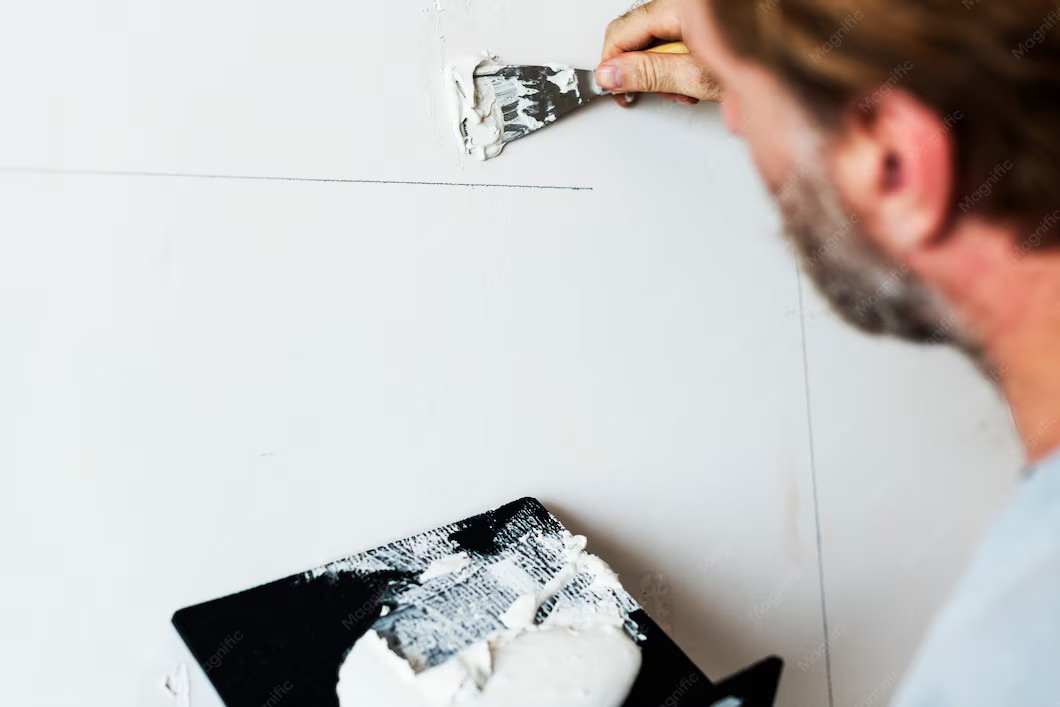
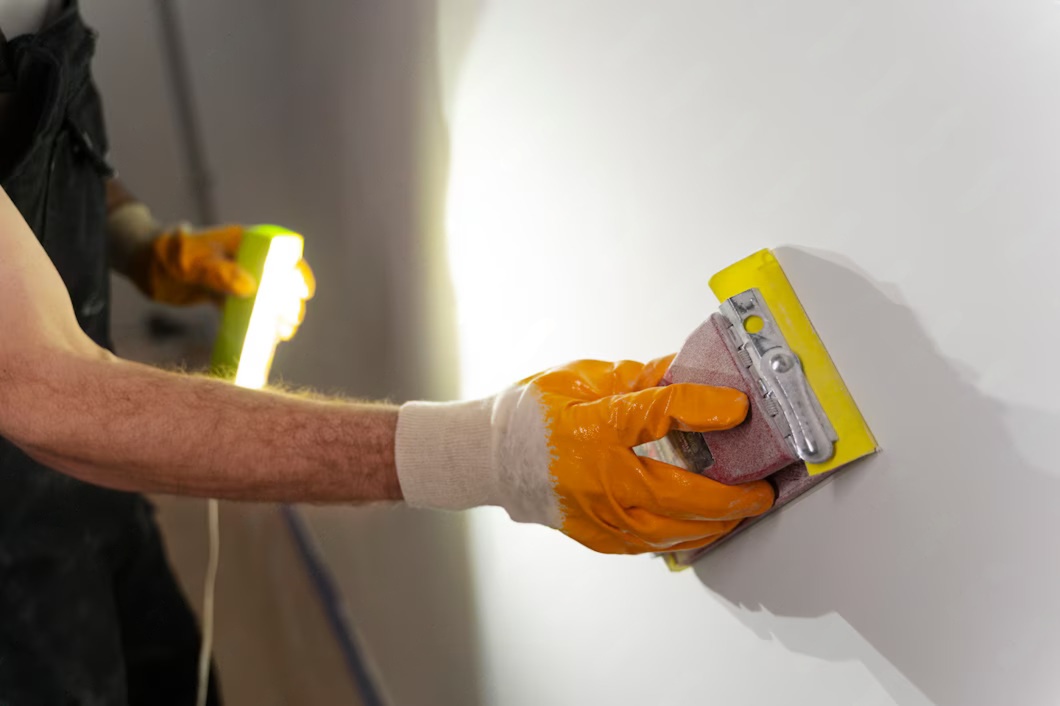
Next they apply a quality filler or plaster patch. Once dry they sand it smooth. Then they prime and repaint to match the rest of the wall.
This process seals the crack and prevents moisture or pests from entering. A well done repair can last many years.
2. Water Damage on Ceilings
Common Causes in Sunshine Coast Homes
Water damage often begins when a roof or gutter leaks. Sometimes plumbing leaks in bathrooms or kitchens cause water to drip onto ceilings.
High humidity can also cause condensation over time. That moisture can seep into plaster or timber above ceilings.
Repair Steps Professionals Use
First the source of water must be found. That might be a leaking roof, a broken gutter, or faulty plumbing. Professionals fix that source first.
Then they remove the damaged plaster or drywall. They dry out the area thoroughly. Once dry they are replaced with fresh plaster or drywall. They seal, prime and paint.
If there was mould or mildew growth they treat that area first to make sure it does not return.
3. Sagging Ceilings
Why Ceilings Sag in Humid Climates
Over time moisture can penetrate the ceiling space. Wood or plaster can soften. Timber beams may warp. This can cause the ceiling to droop or sag.
Heavy insulation or waterlogged material above the ceiling can also weigh it down. That problem worsens if not addressed early.
Professional Reinforcement & Restoration Methods
A skilled plasterer or carpenter will open the ceiling from above or below. They remove damaged material. Then they reinforce the timber or metal supports if needed.
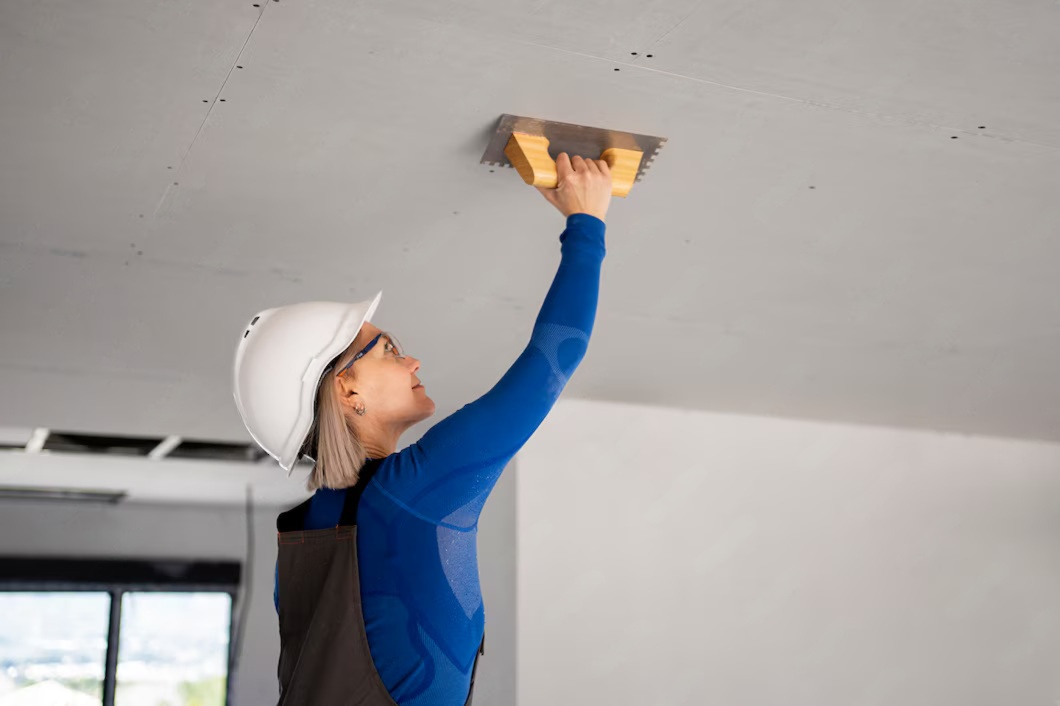
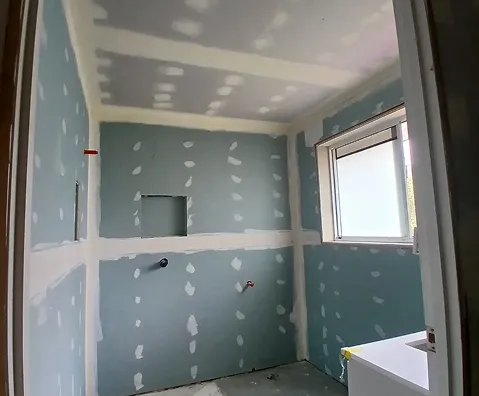
Next they install new plasterboard or ceiling panels. Finally they tape, plaster, sand, prime, and paint for a smooth finish.
This restores strength and appearance and ensures the ceiling will not sag again.
4. Peeling or Bubbling Paint
Moisture-Related Paint Failure
When moisture builds up behind walls or ceilings paint can start to peel or bubble. This is common near bathrooms, kitchens, or exterior walls.
Salt in coastal air can also break down paint over time. Old paint layers may become brittle and lose adhesion.
How Pros Prep and Refinish the Surface
First they find the source of moisture. That might be a leak, poor ventilation, or damp walls. They fix the source first.
Then they scrape off loose paint, sand the surface, and clean it. They allow the area to dry thoroughly. After that they use a moisture-resistant primer. Then they apply high-quality paint meant for coastal environments.
This ensures the paint job lasts longer. It also protects the plaster or wall beneath.
5. Damaged Cornices & Plaster Mouldings
Causes of Cornice Cracks
Cornices and decorative plaster mouldings often show cracks where they meet walls or ceilings. These cracks can be caused by small shifts in the building frame.
Humidity, temperature swings, or minor settling can damage the joints. Sometimes new paint layers also cause stress at joints and lead to cracking.
Patch Repairs & Restorations Pros Use
Professional plasterers carefully remove loose plaster or damaged sections of cornice. They clean the surface and assess whether a wall patch repair is needed to reinforce surrounding areas. Then they apply new plaster or joint compound.
Once it is dry they sand and smooth the joint. Then they repaint or recoat the cornice. If necessary they also match decorative profiles so the repair is seamless.
This restores the cornice to its original look and ensures it blends smoothly with the existing walls and ceiling.
6. Gaps Around Doors & Windows
Movement From QLD Weather Swings
Wood and plaster expand and contract with humidity and heat. Over time, that movement can open up small gaps around door and window frames.
These gaps let in drafts, moisture, and even pests. They can lead to further damage if left unchecked.
How Professionals Re-set & Re-seal These Areas
Pros remove old caulking or sealant. They clean the gap area. Then they re-set the door or window frame if needed.
After that they apply a high-quality flexible sealant or weather-resistant caulk. Sometimes they add new joint compound if plaster edges are uneven.
That seals the gaps. It keeps out moisture, pests, and drafts. It also improves energy efficiency in the home.
7. Uneven or Bulging Walls
Possible Structural or Moisture Causes
Walls may bulge if the plaster was applied unevenly or if moisture has seeped behind the plaster.
Moisture behind walls might come from plumbing leaks, roof leaks, or poor drainage around the home. Structural movement can cause bulges too.
How Specialists Diagnose & Repair the Problem
A professional plasterer checks moisture levels. They inspect for leaks or structural movement.
If the bulge is due to moisture they remove the damaged areas. They dry the wall cavity thoroughly. Then they re-plaster or re-board as needed.
If structural shifting is the cause they suggest a repair plan. That may involve reinforcing framing or adjusting supports.
Once repaired the wall is smooth and stable again.
8. Mould Growth on Walls & Ceilings
Why Mould Spreads Faster in Coastal Homes
High humidity, poor ventilation, and moisture leaks create the perfect environment for mould. Coastal homes often face these conditions.
Mould tends to appear in bathrooms, kitchens, behind wardrobes, or near windows. If left unchecked it can spread quickly and pose health risks.
Professional Remediation & Prevention
First professionals identify and fix the moisture source. Then they remove mould-infected plaster or drywall.
They treat the area with anti-fungal treatments. Once cleaned they dry thoroughly. Then they install fresh plasterboard or apply mould-resistant plaster. Finally they paint with mould-resistant paint.
To prevent recurrence they recommend improved ventilation, dehumidifiers, or regular maintenance.
9. Holes, Dents & Everyday Impact Damage
When Patch Repairs Are Enough
Small holes or dents caused by furniture, doors, or everyday wear are common. If damage is minor you may need only a small patch repair.
Professionals can fill small holes with spackling compound or light plaster. Once dry they sand and paint. The repair is quick and cost-effective.
When You Need a Full Section Replacement
If damage has penetrated deep or compromised plasterboard or lathe, a patch may not hold. The area might crumble over time.
In such cases pros cut out the damaged section. They reinstall plasterboard or lath and plaster. Then they finish with filling, sanding, priming, and painting.
This ensures the wall or ceiling remains stable and clean-looking.
10. Poor DIY Repairs From Previous Owners
Common DIY Mistakes Homeowners Discover
Homeowners sometimes patch cracks or holes with cheap fillers. Or they plaster over damp walls without fixing leaks.
They may skip priming or painting properly. That leads to peeling or cracking soon after. Sometimes they leave rough patches or uneven surfaces.
How Pros Correct & Refinish Bad Repairs
A professional plasterer will first remove the faulty repair. They inspect underlying damage, like damp or structural issues.
Then they redo the repair properly. They use quality materials. Then they finish with primer and paint. The result looks neat. It lasts longer.
You get a smooth wall or ceiling that is ready for painting or decorating.
DIY vs Professional Repair: What Homeowners Should Know
Risks of DIY Plaster & Ceiling Repairs
DIY repairs might save money initially. But if you misdiagnose the root cause you may just mask the problem.
That can lead to bigger damage later. Moisture, structural shifts, or mould may worsen. Repair costs then go up.
Also amateur repairs often look patchy. They may not match existing surfaces. That affects the look and value of your home.
When It’s Safe to DIY and When It’s Not
It may be okay to DIY if you deal with minor holes or dents. Or simple repainting after a small repair.
But if you see cracks, sagging, bulging, water damage or mold you should call professionals. These problems often hide deeper causes. Professionals have tools and training to diagnose and fix them safely.
When to Call a Qualified Plastering Expert
Warning Signs That Require Immediate Attention
Call a plastering expert if you see any of these signs:
- Ceiling stains or moisture damage after rain.
- Sagging ceilings or bulging walls.
- Wide cracks in walls or plaster that seem to grow.
- Mould on walls or ceilings for no clear reason.
- Multiple cracks or repeated peeling paint.
- Gaps around doors and windows getting larger.
Benefits of Hiring a Sunshine Coast Professional
A professional will find and fix the root cause. They use materials designed for coastal climate. They follow quality standards so the repair lasts.
They also match textures and paint so your home looks neat. You save time and avoid repeated repairs. And you protect your home’s value.
Final Tips for Preventing Future Wall & Ceiling Damage
Routine Checks for QLD Weather Damage
Inspect walls and ceilings after heavy rain or storms. Look for new cracks or stains. Check for bulges or sagging plaster.
Check gutters, roof, and downpipes to ensure no leaks. Keep window and door seals intact. Maintain good drainage around your home.
Moisture Prevention & Home Maintenance Tips
Use good ventilation in areas like bathrooms and kitchens. Use exhaust fans or open windows after showers. Consider a dehumidifier if humidity is high.
Avoid painting over damp walls. Always fix leaks first before repainting. Use premium moisture-resistant paints and primers.
If you plan renovations or paint jobs, invest in proper preparation. That helps avoid future cracking or peeling.
Conclusion
Walls and ceilings take constant stress from coastal weather, humidity, rain and everyday wear. Cracks, sagging ceilings, water stains, peeling paint, mould and other issues can appear over time.
By staying alert, homeowners can spot the early signs. If you fix them quickly you can save time and money. But many times you need a professional.
A skilled plastering team can diagnose underlying problems. They use the right materials. They deliver repairs that last. They keep your home safe. They keep it beautiful.
If you notice any of the ten common issues outlined above contact an experienced Sunshine Coast plasterer. Do not let minor damage turn into a major headache.
Restore your walls. Secure your ceilings. Protect your home.
Ready to protect your home from wall and ceiling damage? Contact Magic Mud Plastering Sunshine Coast today for a free inspection. Let us fix the root cause, not just the surface.
Why Choose Magic Mud Plastering Sunshine Coast
If you live on the Sunshine Coast and you see wall or ceiling damage call us for a free inspection. Our team uses plaster and repair methods made for coastal climate. We match texture, paint and finish to suit your home.
We aim for long lasting results. We fix root causes, not just surface problems.
Let us restore your home and protect its value. Contact us today.
Frequently Asked Questions
Q: How often should I inspect my walls and ceilings for damage?
A: Do a quick check every six months. After heavy rain or storms it is good to inspect again. Early detection helps avoid costly repairs.
Q: Can I rely on DIY fixes for small cracks or holes?
A: For small surface holes or dents DIY can be okay. But for water damage, sagging ceilings, mould or large cracks professional repair is recommended.
Q: How much does a typical plaster crack repair cost?
A: It varies by size and location. Minor surface cracks cost less than deep structural cracks or damp repairs. Contact a local plasterer for a quote.
Q: Will repainting fix peeling paint if there is moisture behind the wall?
A: No. Repainting without fixing the moisture source only hides the problem. The paint will peel again. The underlying damp must be fixed first.
Q: How long do professional repairs last?
A: If done correctly with quality materials, repairs can last many years. Good maintenance and moisture control helps them last even longer.