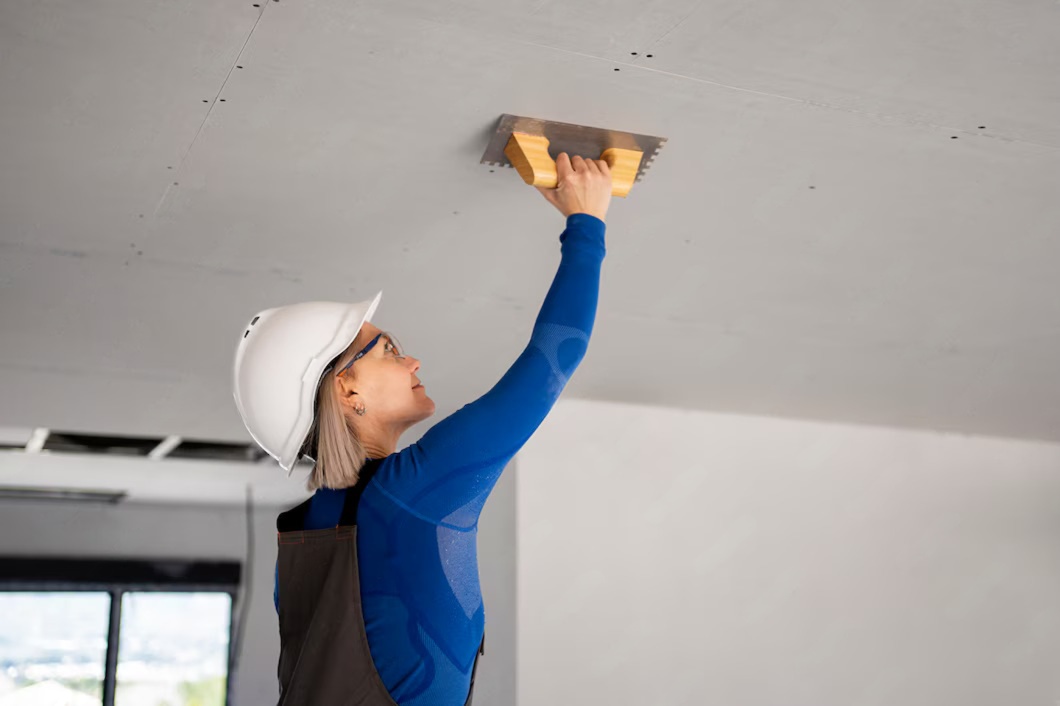
Why Ceiling Problems Are So Common During Renovations
Ceilings tend to be one of the most overlooked parts of a home until a renovation forces a closer look. Unlike walls, which get bumped, scuffed, and repainted regularly, ceilings are rarely inspected up close, which means small issues can go unnoticed for years. By the time a homeowner starts pulling down old fittings or stripping back paint, those small issues have often had plenty of time to grow. Older homes are particularly prone to hidden ceiling problems, since materials and construction methods have changed significantly over the decades. What was considered standard practice years ago may not hold up as well against modern moisture levels, temperature swings, or structural settling. This is exactly why so many ceiling issues only come to light once a renovation is already underway.Common Triggers Behind Hidden Ceiling Damage
- Age-related wear on plaster, plasterboard, or original ceiling materials
- Past water leaks that were patched without addressing the source
- Structural movement in the roof frame or supporting walls
- Poor ventilation contributing to long-term moisture buildup
Sagging Ceilings: Causes and Fix Sagging Ceiling Solutions
A sagging ceiling is one of the more alarming discoveries a homeowner can make, and understandably so, since it often signals a deeper structural or moisture-related issue. Sagging typically happens when the material holding the ceiling in place has weakened, whether due to prolonged moisture exposure, aging fixings, or excess weight from insulation that was never properly supported. Addressing a sagging section properly usually means more than simply patching the visible dip. The underlying cause needs to be identified first, since fixing the surface without addressing what caused the sag in the first place often leads to the same problem reappearing later. Once the cause is confirmed, a proper fix sagging ceiling solution typically involves removing the affected section and replacing it with a securely fixed, properly supported panel.- Identifying whether moisture, age, or weight caused the sag
- Removing and replacing the affected section rather than just patching it
- Reinforcing fixings to prevent the same area from sagging again
- Checking surrounding areas for related signs of stress
Ceiling Crack Repair: What Different Cracks Actually Mean
Not all ceiling cracks are created equal, and learning to read them can tell you a lot about what is actually happening above your head. Fine, hairline cracks that follow a straight line often relate to normal material settling and are usually less concerning. Wider, jagged, or spreading cracks, on the other hand, can point to more significant movement that is worth investigating further. Timing also matters. A crack that appears suddenly after a storm, a nearby excavation, or unusually dry weather may be linked to that specific event. A crack that has slowly widened over months or years, however, often suggests an ongoing issue that needs a closer look rather than a quick cosmetic patch.Reading the Signs Before You Patch
- Straight, hairline cracks often relate to minor material settling
- Jagged or branching cracks can indicate more active movement
- Cracks running along ceiling joints may point to fixing issues
- Recurring cracks in the same spot suggest an unresolved cause
Water Damaged Ceiling Repair: Spotting the Warning Signs
Water damaged ceiling repair is one of the more urgent issues homeowners face, since moisture problems tend to worsen quickly once they take hold. Discoloration, bubbling paint, or a soft, spongy feel when the ceiling is gently pressed are all early indicators that water has found its way in, whether from a roof leak, plumbing issue, or condensation buildup in a poorly ventilated space. Left unaddressed, water damage does not just affect the ceiling material itself. Persistent moisture can lead to mould growth, compromised structural timber, and a musty smell that lingers throughout the home. Because of this, water stains should never be treated as a purely cosmetic issue, even if the visible mark seems small at first glance.- Yellow or brown staining that spreads outward over time
- Bubbling, peeling, or flaking paint near the affected area
- A musty odour that persists even after cleaning
- Soft or spongy texture when the ceiling is gently touched
Plasterboard and Structural Issues Behind Ceiling Problems
Many ceiling problems trace back to the plasterboard itself, particularly in homes where sheets were installed years ago using older techniques or materials that have not aged well. Loose fixings, poorly supported joints, or sheets that were never properly set can all contribute to visible problems on the surface, even if the issue actually starts within the structure behind it. Renovations often present the ideal opportunity to address these underlying issues properly, rather than continuing to patch the same visible symptoms. Where old plasterboard has reached the end of its useful life, a full plasterboard installation replacement can resolve recurring issues far more effectively than repeated surface patching.- Loose or failing fixings contributing to visible surface issues
- Poorly supported joints leading to recurring cracks over time
- Aging plasterboard that no longer holds a smooth, even finish
- Structural movement in the frame affecting the ceiling above
When Ceiling Plaster Repair Becomes Urgent
Some ceiling issues can reasonably wait until a broader renovation is scheduled, while others need attention far sooner. Knowing the difference helps homeowners prioritise safety and avoid situations where a manageable repair turns into a much larger, more disruptive project.- Active water dripping or pooling, which points to an ongoing leak
- Visible sagging that appears to be worsening over a short period
- Large sections of ceiling that feel soft or unstable to the touch
- Cracks that are widening noticeably within a matter of weeks
What to Expect From a Professional Ceiling Plaster Repairs Gold Coast Service
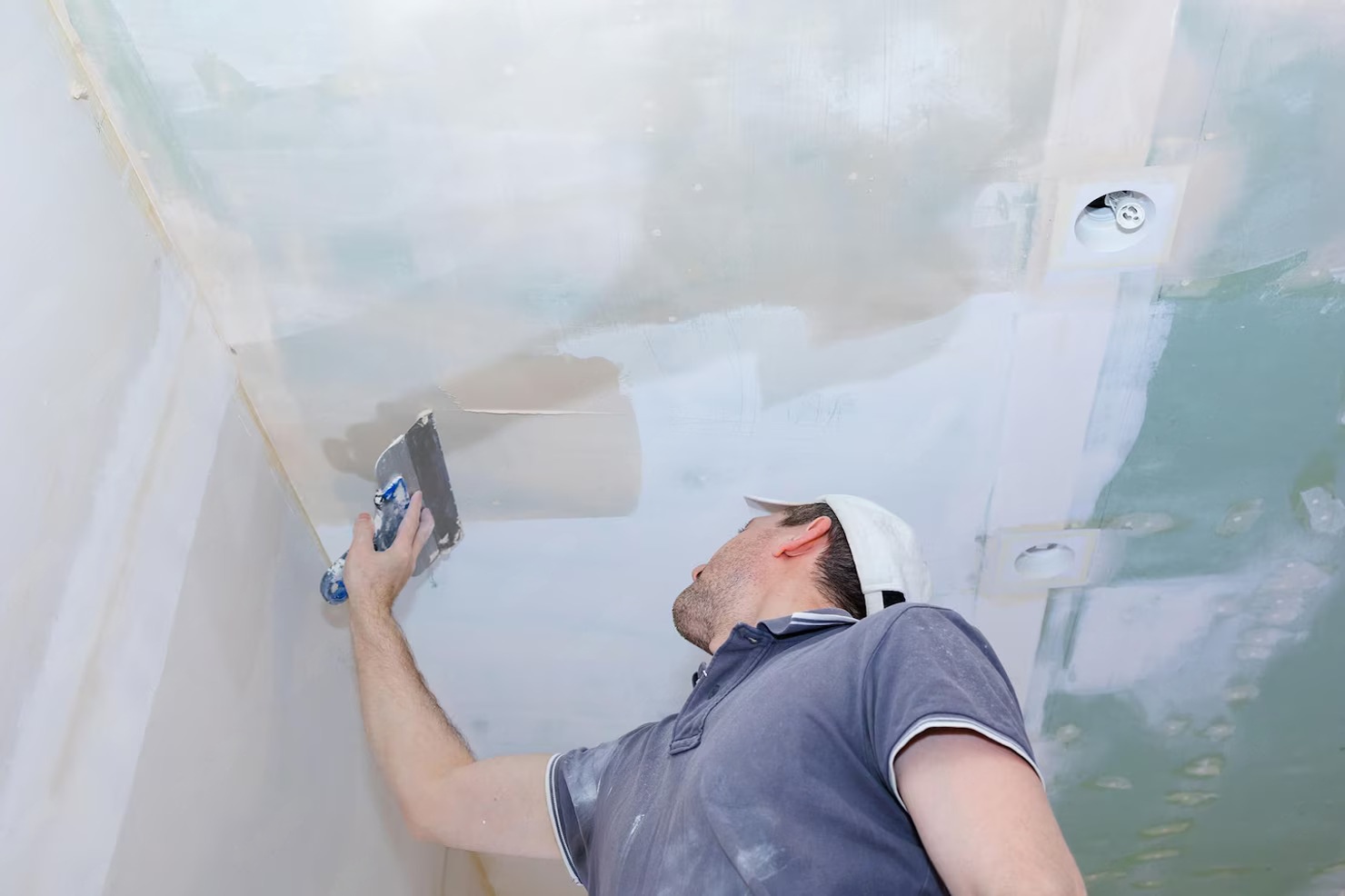
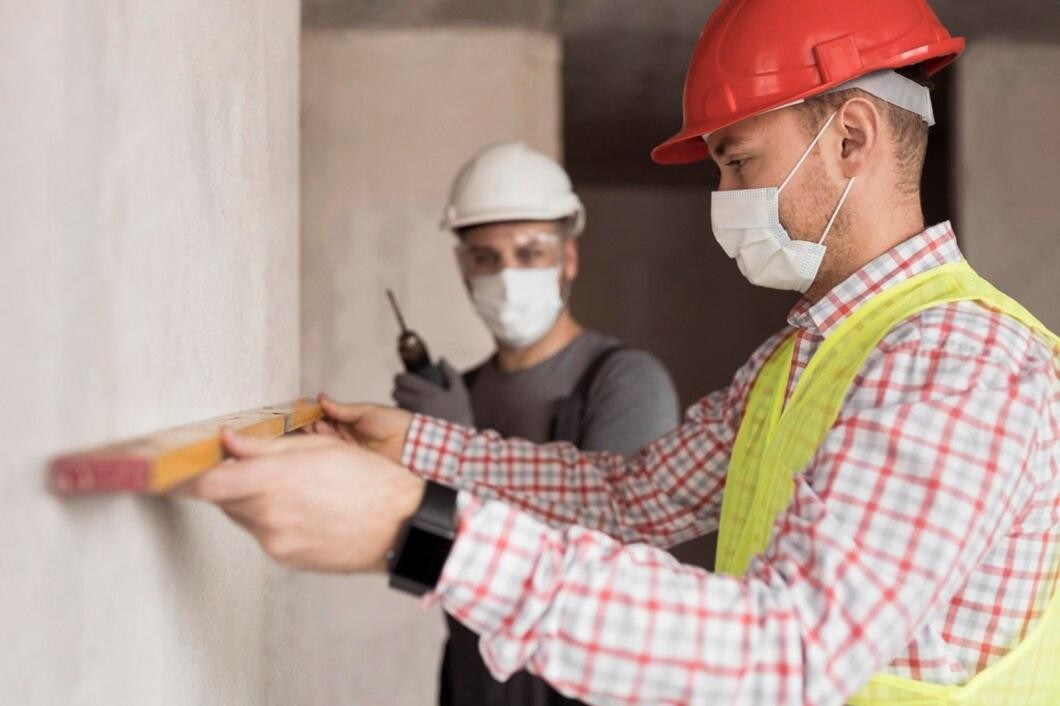
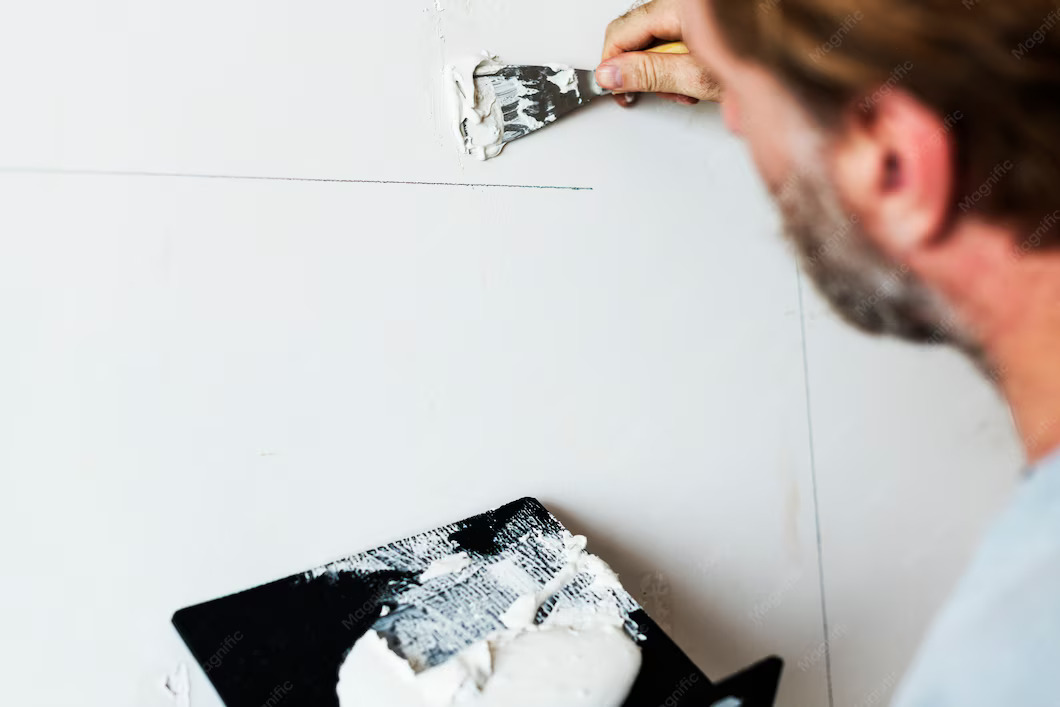
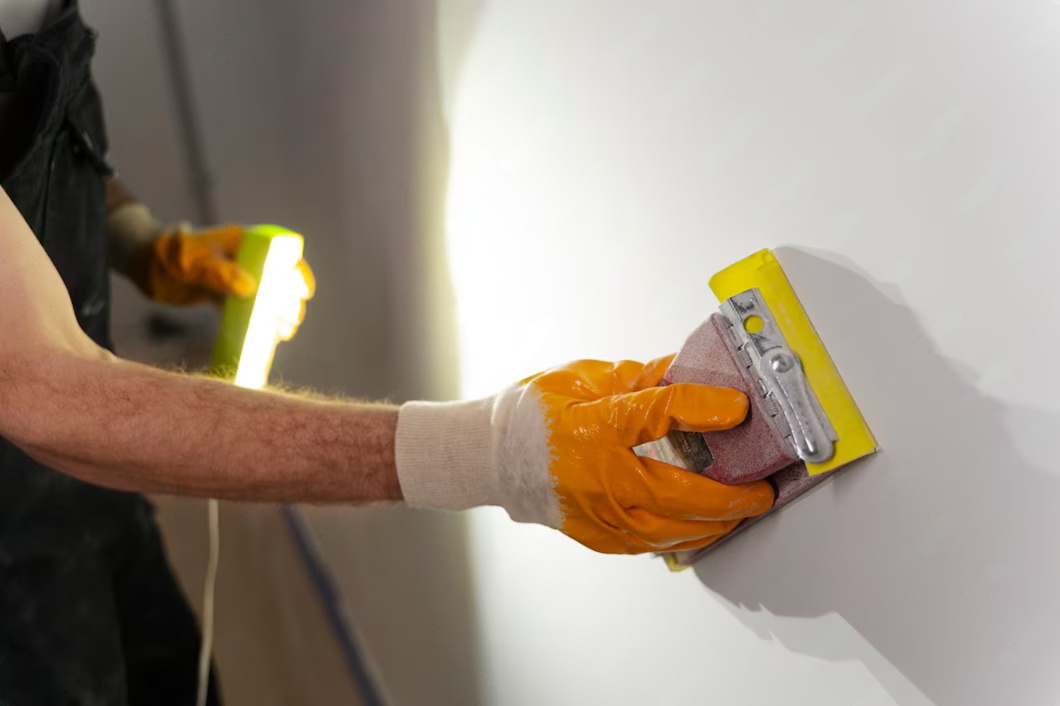
Bringing in professional help for ceiling issues typically starts with a thorough assessment of both the visible damage and its likely cause. This step matters just as much as the repair itself, since fixing the surface without understanding what led to the problem rarely delivers a lasting result. A proper inspection also gives homeowners a clearer picture of what the renovation timeline might look like. From there, the actual repair process usually involves removing damaged material, addressing the underlying cause where possible, and rebuilding the surface with fresh plaster or plasterboard as needed. The final stages focus on blending the repaired area with the surrounding ceiling, so the finished result looks consistent rather than patched.- A detailed inspection to confirm the cause of the damage
- Removal of compromised material before any new work begins
- Careful matching of texture and finish to the surrounding ceiling
- A final check to confirm the repair is stable and paint-ready
Conclusion
Ceiling problems have a way of hiding in plain sight until a renovation forces them into the open, but understanding what different signs mean makes it much easier to respond with confidence. From sagging sections and cracks to water damage and aging plasterboard, each issue tells a slightly different story about what has been happening above your head. Addressing the underlying cause, rather than just the visible symptom, is what leads to a repair that actually lasts. If you have uncovered a ceiling issue during your renovation or simply want a professional opinion before you start, Magic Mud Plastering is here to help you get to the bottom of it. Our team takes the time to assess the cause properly and deliver a finish that blends seamlessly with the rest of your home. Reach out and get in touch with our team today to discuss your ceiling repair and take the next step toward a safe, solid finish overhead.Frequently Asked Questions
1. What usually causes a ceiling to sag?
Sagging is most often caused by moisture damage, aging fixings, or excess weight from insulation that was never properly supported. Identifying the specific cause is important, since patching a sagging section without addressing the root issue often leads to the problem returning. A proper assessment can confirm what is actually driving the sag.
2. How can I tell if a ceiling crack is serious?
Fine, straight hairline cracks are usually related to normal settling and are less concerning than jagged or widening cracks. Cracks that appear suddenly after an event, like a storm, or that keep reappearing in the same spot, often warrant a closer look. When in doubt, having the crack assessed is the safest approach.
3. Is water staining on a ceiling always a serious problem?
Water staining should never be ignored, even if the mark looks small at first. It usually indicates ongoing or past moisture exposure, which can lead to mould growth or weakened material if left unaddressed. Identifying and resolving the source of the moisture is just as important as repairing the visible stain.
4. Can I paint over a cracked or damaged ceiling without repairing it first?
Painting over damage without repairing it typically only hides the problem temporarily. Cracks and weakened areas tend to reappear through fresh paint fairly quickly, especially if the underlying cause has not been addressed. Proper repair before painting gives a longer-lasting, more consistent result.
5. How long does a typical ceiling plaster repair take?
Timeframes vary depending on the size of the damaged area and whether multiple coats or drying stages are required. Smaller patch repairs can sometimes be completed within a day, while larger or more complex jobs may take longer. A professional assessment will give a more accurate timeline for your specific situation.
6. Should I address ceiling issues before or during a full renovation?
It is often more efficient to address ceiling issues as part of a broader renovation, since walls and ceilings can share the same underlying cause. That said, urgent issues like active leaks or worsening sagging should be assessed immediately rather than waiting for scheduled renovation work to begin.