Cracks in walls when to worry is one of the most common questions Gold Coast homeowners ask once they spot a line running across their plaster. Some cracks are nothing more than the natural result of a home settling into its foundation, while others are early warnings of a much bigger structural issue hiding behind the paintwork. Understanding the difference can save you a great deal of stress and help you decide whether a quick patch-up will do the job or whether it’s time to call in a professional for a proper assessment.
In this guide, we’ll walk through the common causes of wall cracking, the warning signs that separate cosmetic cracks from structural ones, and how moisture and mould often play a hidden role in weakening plaster and plasterboard over time. Homeowners across the Gold Coast can end up spending unnecessary time worrying over hairline cracks, or worse, ignoring a genuine structural problem, so we’ve put together everything you need to make an informed decision, including when it might be worth arranging plaster repairs for your home.
What Causes Cracks to Appear in Walls?
Every home moves slightly over time, and that natural movement is usually the root cause of most wall cracking. Timber framing expands and contracts with humidity, concrete slabs cure and settle over months or years, and soil beneath the foundation shifts with changes in moisture content. In the warm, humid climate of South East Queensland, these movements can be more noticeable than in drier regions, particularly during the transition between wet and dry seasons. None of this automatically means your home has a serious problem, but it does mean that a certain amount of cracking is completely normal.
The trouble is that cracking caused by simple age-related settling can look remarkably similar to cracking caused by genuine structural movement, at least to an untrained eye. That’s why it helps to understand a few of the more common triggers before jumping to conclusions.
Natural settling of new or relatively young homes during the first few years
Seasonal expansion and contraction of timber frames and plasterboard sheets
Changes in soil moisture due to heavy rain, drought, or poor drainage
Vibration from nearby construction, heavy traffic, or renovation works
Ageing building materials that have simply reached the end of their lifespan
Cracks in Walls When to Worry: The Warning Signs You Shouldn’t Ignore
Knowing cracks in walls when to worry starts with looking closely at the size, shape, and location of the crack rather than just its presence. A fine, hairline crack that sits neatly along a cornice line or in the corner of a doorway is usually cosmetic and related to normal plaster movement. On the other hand, a crack that is wider than a few millimetres, runs diagonally across a wall, or appears alongside other symptoms such as sticking doors and uneven flooring, deserves a much closer look. Cracks that continue to grow over a period of weeks or months are also a red flag, since stable cosmetic cracks tend to stop widening once the initial movement settles.
Location matters just as much as appearance. Cracks near windows and door frames, along load-bearing walls, or running from the corners of the ceiling down to the floor are more likely to be linked to structural wall cracks than a simple surface blemish. If you notice several of these signs occurring together, it’s worth arranging a proper inspection rather than simply painting over the problem.
Signs of a Genuine Structural Issue
Cracks wider than 5mm or that continue to widen over time
Diagonal cracks running from window or door corners
Cracks that appear on both the interior and exterior of the same wall
Doors and windows that suddenly stick or no longer close properly
Visible gaps appearing between the wall and ceiling or skirting boards
Signs a Crack Is Likely Cosmetic
Fine hairline cracks along cornices or plaster joints
Cracks that stay the same size over several months
Cracking that appears only on painted or rendered surfaces
Cracks limited to a single, isolated spot with no other symptoms nearby
How Moisture and Mould Contribute to Weakened Walls
Moisture is one of the most overlooked contributors to cracking, and it’s a particularly relevant issue for homes along the Gold Coast where humidity levels sit high for much of the year. When plasterboard absorbs moisture repeatedly, whether from a leaking roof, poor bathroom ventilation, or rising damp, the material weakens from the inside out. This weakening often shows up first as bubbling paint or soft patches, followed by cracking as the plasterboard loses its structural integrity. In more advanced cases, this combination of moisture and decay can also encourage mould growth, which brings its own set of health and structural concerns.
Homeowners often treat cracking and mould as two separate issues, but in many Gold Coast properties they’re closely connected. Addressing the moisture source is just as important as repairing the visible crack, otherwise the same problem will simply reappear a few months down the track. If your walls show signs of both cracking and discolouration, it’s worth arranging a mould removal Gold Coast assessment alongside your plaster repair, since treating only one half of the problem rarely delivers a lasting fix. Our team regularly provides mould removal Gold Coast services alongside plaster and wall repairs for exactly this reason.
Moisture Damaged Plasterboard Repair Explained
Moisture damaged plasterboard repair generally involves more than a simple patch job. Once plasterboard has absorbed water over an extended period, the paper facing softens, the gypsum core can crumble, and the sheet loses much of its original strength. Attempting to paint over this kind of damage without addressing the underlying moisture almost always leads to the same cracks reappearing within a short space of time.
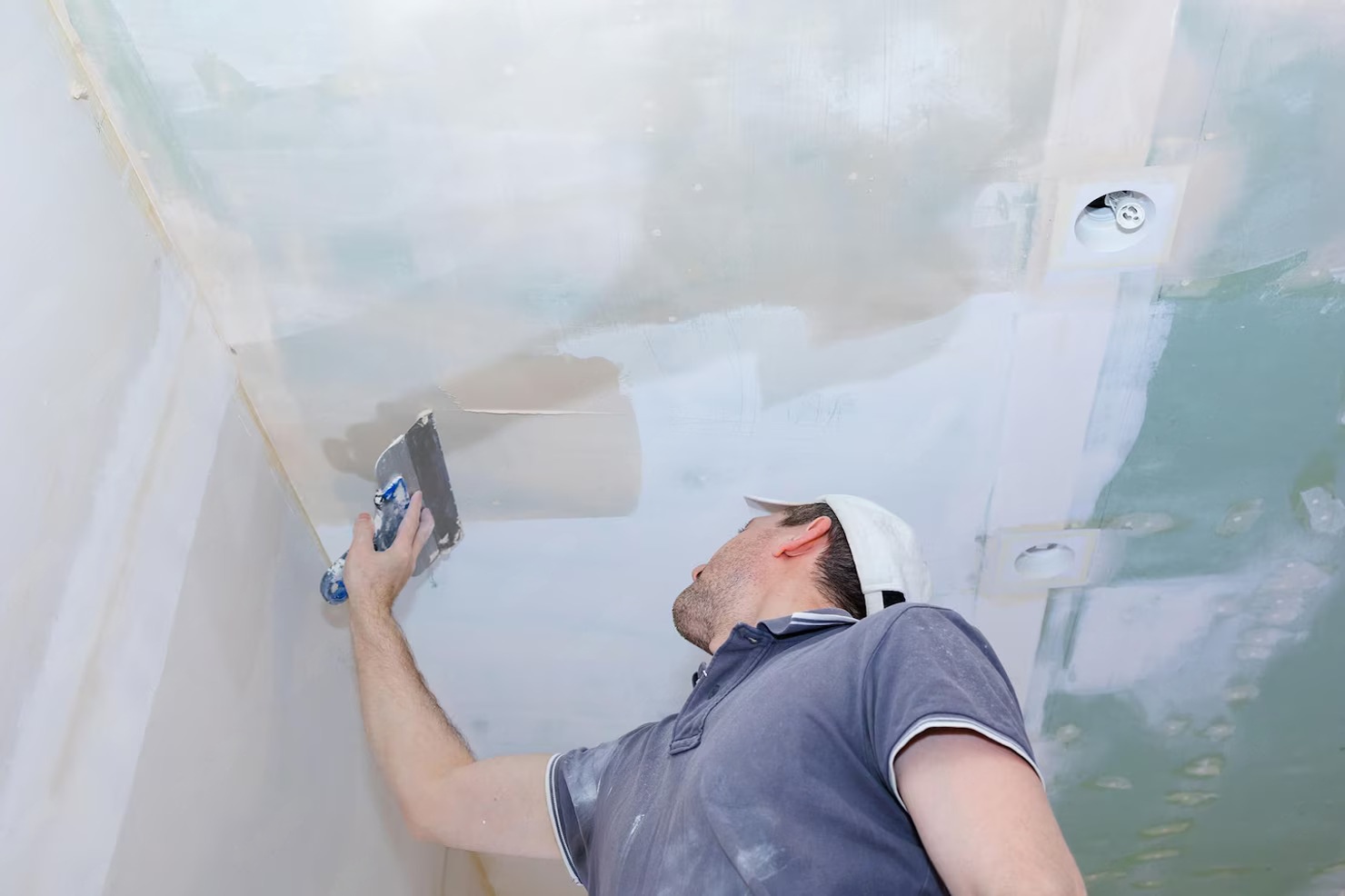
A proper repair typically involves removing the affected section of plasterboard, allowing the area to dry out completely, treating any mould growth, and then reinstalling new plasterboard before finishing to match the surrounding wall. If a large section of a wall or ceiling has been affected, a full plasterboard installation may be a more practical and longer-lasting solution than patching small areas repeatedly.
Ceiling Cracks and Mould: A Connected Problem
Ceiling cracks deserve particular attention because ceilings are more likely to be exposed to roof leaks, condensation, and poor ventilation than standard wall surfaces. A crack running along a ceiling, especially one that appears near a join or in the centre of a room, can indicate movement in the roof structure or water damage sitting above the plaster. Ceiling mould removal often goes hand in hand with these repairs, since trapped moisture behind a ceiling creates the perfect environment for mould spores to establish themselves before any visible cracking even appears.
Black mould removal Gold Coast homeowners request most often relates to bathroom ceilings, laundry areas, and rooms with poor airflow, where humidity has nowhere to escape. Left untreated, this combination of moisture and mould can compromise ceiling plaster, leading to sagging, staining, and eventually cracking or even partial collapse in severe cases. Regular checks of these high-risk areas can catch the problem well before it becomes a costly repair job. If you’ve noticed staining or a musty smell alongside ceiling cracking, our ceiling plaster repairs service is designed to address both the visible damage and the moisture behind it.
Check ceilings in bathrooms and laundries regularly for staining or bubbling
Ensure exhaust fans vent outside rather than into the roof cavity
Address roof leaks promptly, even if they seem minor at first
Improve airflow in rooms that consistently feel humid or stuffy
Structural Wall Cracks vs Settling Cracks: What’s the Difference
Distinguishing structural wall cracks from ordinary settling cracks comes down to understanding what’s happening behind the plaster rather than just what you can see on the surface. Settling cracks are typically the result of minor, expected movement as building materials adjust to their environment, and they tend to be thin, stable, and limited to specific areas such as cornices or plaster joints. Structural cracks, by contrast, usually point to movement in the actual frame or foundation of the building, meaning the crack is a symptom of a much larger issue rather than the problem itself.
The safest way to tell the two apart is to monitor the crack over a period of several weeks. Mark the ends of the crack lightly in pencil and check back periodically to see whether it has grown. If the crack remains the same length and width, it’s far more likely to be cosmetic. If it continues to extend, widen, or is joined by new cracks nearby, this points towards ongoing structural movement that needs proper attention rather than a simple cosmetic fix, and it’s worth booking a professional plastering assessment to confirm exactly what’s going on before deciding on a repair.
Quick Comparison Checklist
Settling cracks are usually thin, straight, and follow plaster joints
Structural cracks are often wider, diagonal, and continue to grow
Settling cracks stay isolated, while structural cracks tend to multiply
Settling cracks rarely affect doors and windows, structural cracks often do
What to Do When You Notice a Crack in Your Wall or Ceiling
The first step after noticing a crack is simple observation rather than immediate action. Take a photo, note the date, and keep an eye on how the crack behaves over the following weeks. This gives you and any tradesperson you bring in a clear timeline to work from, which makes diagnosing the cause considerably easier. Avoid the temptation to simply fill and paint over a crack straight away, particularly if you haven’t yet worked out whether it’s cosmetic or structural, since this can mask a problem that needs proper attention.
Once you’ve gathered a bit of information, it’s worth arranging a professional assessment, especially if the crack is wide, growing, or accompanied by other warning signs such as sticking doors. A tradesperson experienced in gyprock installation and repair can assess whether the surrounding plasterboard needs replacing entirely or whether a simple patch will restore the wall to a sound, even finish. For larger areas affected by long-term movement or moisture damage, a full gyprock installation may give a cleaner and more durable result than multiple small patches over time.
Photograph the crack and note the date it was first noticed
Measure the width and length so you can track any changes
Check nearby doors and windows for signs of sticking or misalignment
Look for related issues such as staining, bubbling paint, or musty odours
Arrange a professional inspection if the crack grows or new ones appear
Preventing Future Cracks and Mould Growth
Prevention is always more manageable than repair, and a few simple habits can go a long way towards protecting your walls and ceilings over the long term. Good ventilation throughout the home reduces the moisture buildup that leads to both plasterboard damage and mould growth, particularly in bathrooms, laundries, and kitchens where humidity levels are naturally higher. Keeping gutters clear and roof areas well maintained also prevents water from finding its way into ceiling cavities, which is one of the most common causes of ceiling cracking and staining on the Gold Coast.
It’s also worth paying attention to the land around your home. Ensuring garden beds slope away from the foundation, avoiding large trees too close to the house, and managing stormwater properly all help reduce the soil movement that contributes to structural wall cracks. Combined with regular visual checks of your walls and ceilings, these small preventative steps can significantly reduce the likelihood of serious cracking down the track and save you from a much larger repair bill later on.
Run exhaust fans during and after showers, cooking, and laundry use
Clean gutters and downpipes at least twice a year
Keep garden beds and irrigation away from the base of exterior walls
Repair minor leaks as soon as they’re noticed rather than waiting
Schedule a periodic walk-through of ceilings and walls to catch early signs
Conclusion
Working out whether cracks in walls when to worry applies to your own home doesn’t have to be a guessing game. By paying attention to the size, shape, and behaviour of a crack, and keeping an eye out for related issues such as moisture staining or misaligned doors, most homeowners can get a fairly good sense of whether they’re dealing with harmless settling or a genuine structural concern. Cosmetic cracks are a normal part of owning a home, but structural wall cracks and moisture damaged plasterboard are problems that tend to grow worse the longer they’re left unaddressed.
If you’ve spotted cracking, staining, or signs of mould around your Gold Coast home and aren’t sure what you’re dealing with, the team at Magic Mud Plastering is here to help. We offer thorough assessments and reliable repairs for everything from simple cosmetic touch-ups to structural plaster and mould issues, giving you peace of mind and a wall or ceiling that’s built to last. Get in touch with MagicMud Plastering today to arrange an inspection and take the guesswork out of your wall and ceiling repairs.
FAQs
1. How do I know if a crack in my wall is serious?
A crack is more likely to be serious if it’s wider than a few millimetres, runs diagonally, or continues to grow over several weeks. Cracks accompanied by sticking doors, uneven floors, or gaps near the ceiling are also worth having assessed. Monitoring the crack over time gives the clearest picture of whether it’s stable or progressing.
2. Are hairline cracks in plaster normal?
Yes, hairline cracks are common in most homes and usually relate to natural settling or minor plaster movement. They typically appear along cornices, joints, or corners and stay the same size over time. As long as they aren’t widening or accompanied by other warning signs, they generally aren’t a cause for concern.
3. Can mould cause cracks in walls or ceilings?
Mould itself doesn’t directly cause structural cracking, but the moisture that allows mould to grow can weaken plasterboard significantly. Over time, this weakened material becomes more prone to cracking, sagging, and other damage. Treating both the moisture source and any visible mould helps prevent further deterioration.
4. Should I repair a crack myself or call a professional?
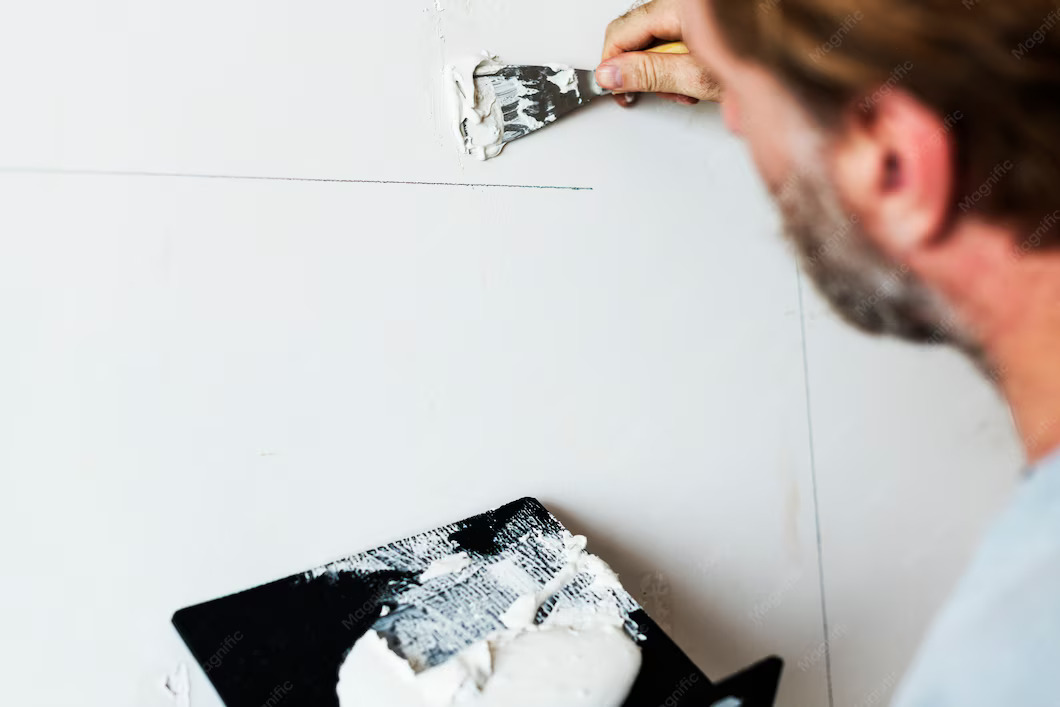
Small, stable cosmetic cracks can often be filled and repainted without professional help. However, wider cracks, structural cracks, or those linked to moisture and mould are best assessed by a professional who can identify the underlying cause. This ensures the repair addresses the actual problem rather than just the surface appearance.
5. Why do ceiling cracks often appear near bathrooms and laundries?
These areas naturally generate more moisture from showers, washing, and drying, which can accumulate in the ceiling cavity if ventilation is poor. Over time, this trapped moisture weakens the plaster and encourages mould growth, both of which contribute to cracking. Improving airflow in these rooms significantly reduces the risk.
6. How long does it take to repair a moisture damaged wall or ceiling?
The timeframe depends on the extent of the damage and whether the affected plasterboard needs full replacement. Smaller patch repairs can often be completed within a day, while larger areas involving mould treatment and plasterboard replacement may take longer to allow for proper drying and finishing. A tradesperson can give a more accurate timeframe once the damage has been assessed.