
Blog

post-image

How Long Does Plastering Take for Homes on the Gold Coast

Plastering is one of the most important stages of any renovation or building project, yet it is often underestimated when it comes to timing. Homeowners frequently ask how long plastering will take because it directly affects when painting, flooring, and final finishes can begin. Plastering Sunshine Coast projects often require careful scheduling due to local conditions, which is why Magic Mud Plastering Sunshine Coast works with time sensitive homeowners who need clear expectations and reliable timelines. While every project is different, understanding how plastering timelines work helps reduce stress and allows for better planning.

Why Plastering Timelines Matter for Homeowners

Plastering timelines matter because this stage connects structural work with finishing work. Walls and ceilings must be properly installed, set, and dried before any decorative work can take place. If plastering is rushed or poorly scheduled, it can delay the entire project. Homeowners who understand this process are better prepared to coordinate trades and avoid unnecessary downtime during renovations.

Managing Expectations During Renovations

Managing expectations is essential during any renovation. Plastering involves several stages that must be completed in order, and each stage takes time. Preparation, installation, and finishing cannot be skipped or rushed without affecting quality. Clear communication and realistic timelines help homeowners feel more confident throughout the process.

How Delays Can Impact Your Renovation Schedule

Delays during plastering can affect the entire renovation timeline. Painting cannot begin until plaster is fully dry, and other finishing trades may also depend on completed walls and ceilings. Understanding how plastering fits into the overall build timeline helps prevent scheduling issues later on.

Understanding the Plastering Process

Plastering is not a single task but a structured process. It begins with preparation, followed by plasterboard installation, and ends with setting and sanding. Magic Mud Plastering Sunshine Coast follows a proven approach that ensures walls and ceilings are finished to a high standard while keeping timelines realistic.

Preparation Before Plastering Begins

Preparation includes checking framing, confirming measurements, and ensuring the site is ready for plasterboard installation. Any issues identified at this stage can affect the timeline, which is why professional assessment is important. Proper preparation reduces delays once plastering begins.

Plasterboard Installation and Fixing

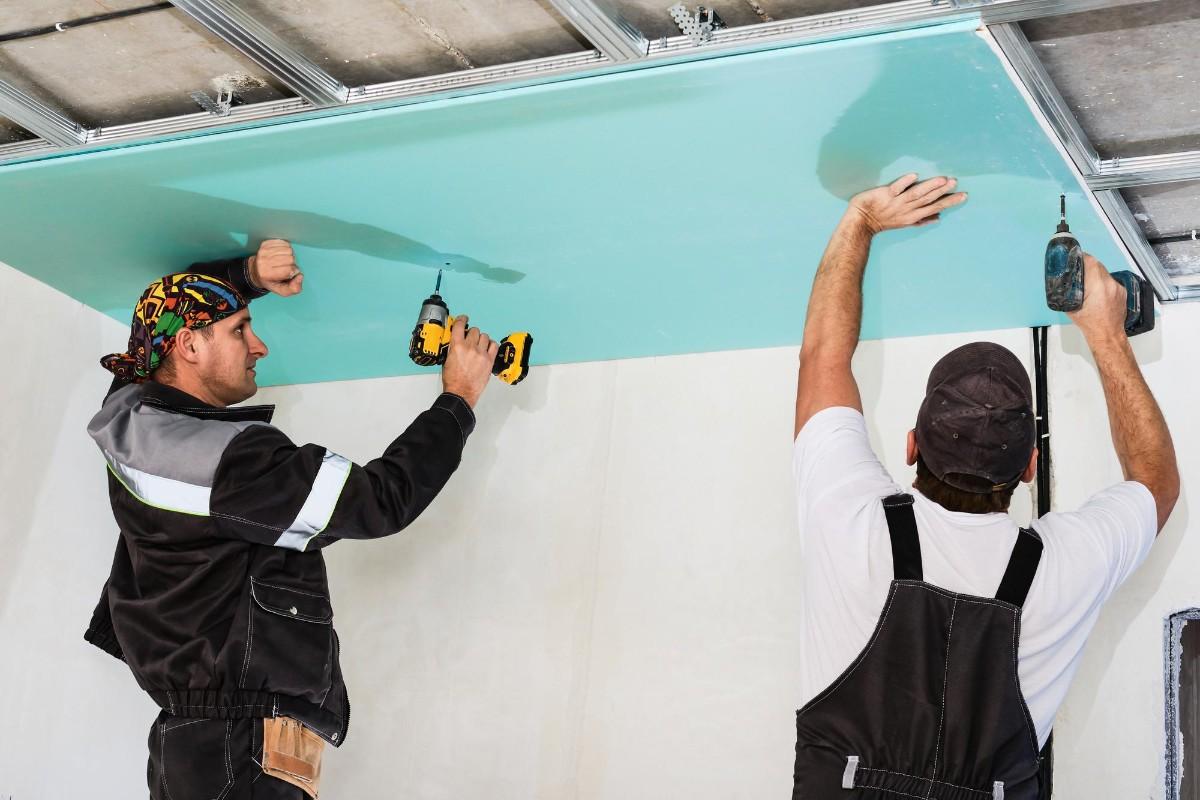
Plasterboard installation involves measuring, cutting, and fixing sheets to walls and ceilings. The time required depends on room size, ceiling height, layout, and site access. Well prepared sites allow this stage to move more efficiently.

Setting, Sanding, and Finishing Stages

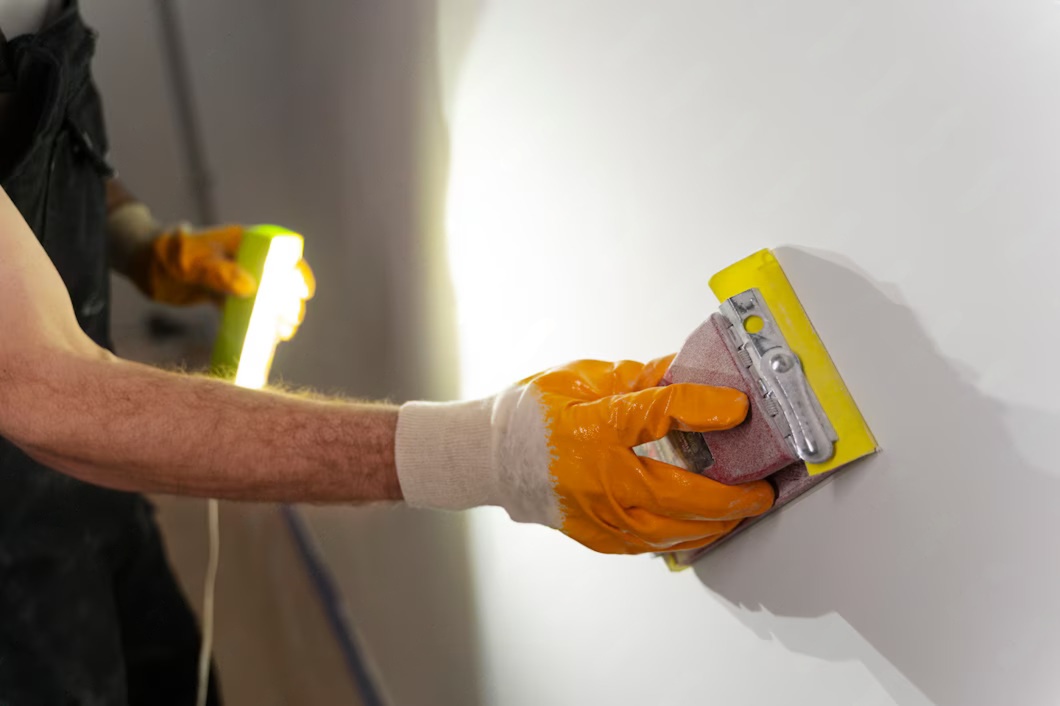
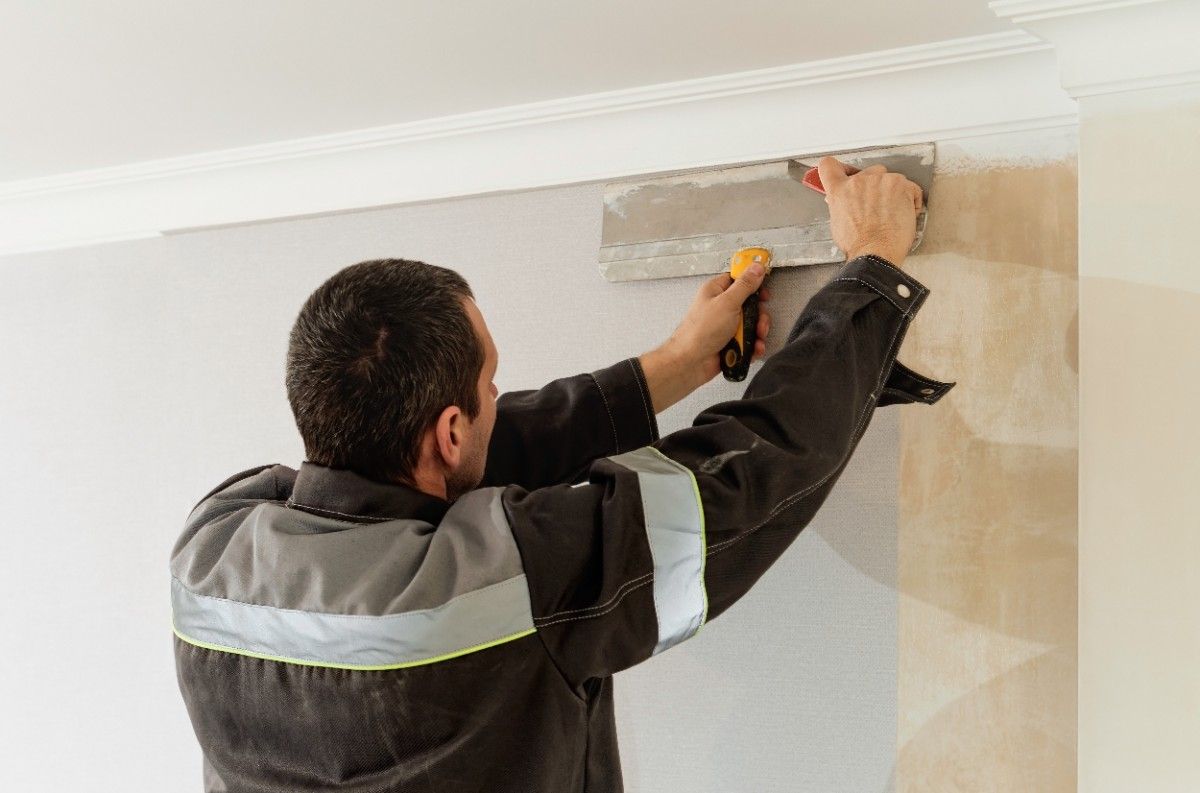
Once plasterboard is installed, joints are set and sanded. This stage involves multiple coats and drying periods between each application. Rushing this process can result in visible imperfections, so allowing adequate time is essential for a smooth finish.

Typical Plastering Timeline for Wall Repairs

Wall repairs vary depending on the size of the damaged area and the condition of the existing wall. Small repairs may be quicker to complete, while larger repairs require more time for setting and blending.

Small Wall Repairs and Patching Timeframes

Small wall repairs and patching jobs usually take less time but still require proper drying before painting. Even minor repairs must be finished carefully to ensure they blend seamlessly with surrounding surfaces.

Medium Wall Repairs and Partial Replastering

Medium wall repairs often involve replacing sections of plasterboard. These jobs take longer due to additional installation and finishing stages. The goal is to restore the wall so it appears uniform once painted.

Factors That Affect Wall Repair Time

Several factors influence how long wall repairs take. These include the extent of damage, moisture issues, access to the area, and the condition of surrounding surfaces. Addressing underlying issues early helps prevent delays.

How Long Ceiling Plastering Takes

Ceiling plastering generally takes longer than wall plastering due to the nature of working overhead. Safety considerations and access play a major role in the timeline.

Standard Ceiling Plastering Timelines

Standard ceiling plastering follows a similar process to walls but requires more effort. Installation and finishing must be done carefully to ensure an even surface across the entire ceiling.

High Ceilings and Complex Ceiling Designs

High ceilings and complex designs increase plastering time. Additional equipment and careful planning are often required, which adds to the overall duration of the project.

Ceiling Drying and Finishing Time

Ceilings must be fully dry before sanding and painting. Drying time can be influenced by airflow and humidity, particularly on the Sunshine Coast. Allowing enough time at this stage protects the final finish.

Plaster Drying Time Explained

Plaster drying time is one of the most important parts of the plastering timeline. Each coat of plaster needs time to dry before the next step can begin.

How Long Plaster Takes to Dry

Plaster needs adequate time to dry between coats and before painting. Drying times vary depending on materials used and environmental conditions.

Factors That Influence Plaster Drying Time

Humidity, temperature, and ventilation all affect drying. Proper airflow supports natural drying, but plaster should never be forced to dry too quickly.

When Walls and Ceilings Are Ready for Painting

Walls and ceilings are ready for painting only once the plaster is completely dry and properly finished. Painting too early can lead to peeling or uneven results.

Plastering Timeline for Full Renovations

Full renovations require careful coordination between trades. Plastering plays a central role in keeping the project moving forward.

Single Room Renovation Timelines

Single room plastering projects are usually quicker but still require preparation, installation, and drying time. Planning each stage helps keep the renovation on schedule.

Multiple Rooms and Whole Home Plastering

Whole home plastering takes longer due to scale. Work is often staged to manage timelines effectively and allow other trades to follow.

Coordinating Plastering With Other Trades

Plastering typically follows electrical and plumbing rough work. Clear scheduling ensures trades do not overlap and cause delays.

What Can Extend or Delay Plastering Timelines

Several factors can extend plastering timelines, even with good planning.

Weather and Humidity on the Sunshine Coast

Humidity can slow plaster drying, which is why local experience matters. Understanding coastal conditions helps manage realistic timelines.

Changes to Scope or Design

Changes during plastering add time to the project. Finalising decisions early helps keep timelines under control.

Site Access and Preparation Issues

Limited access or cluttered work areas slow progress. Clear sites allow plasterers to work more efficiently.

How to Speed Up Plastering Without Sacrificing Quality

Speed should never come at the expense of quality. Efficient planning and experienced workmanship are the best ways to manage time.

Proper Preparation Before Work Starts

Good preparation reduces interruptions and supports smoother workflows throughout the plastering process.

Allowing Enough Drying Time for Best Results

Allowing plaster to dry fully ensures a durable and smooth finish. Patience at this stage prevents future repairs.

Setting Realistic Expectations for Your Plastering Project

Realistic expectations help homeowners plan moves in dates and next stages with confidence. Every project is unique, and timelines should reflect actual conditions.

Why Local Experience Matters for Plastering Timelines

Local experience improves accuracy and reliability. Sunshine Coast conditions can affect both installation and drying, and local plasterers know how to adapt.

Final Thoughts 

Plastering timelines depend on preparation, drying time, and project scope. Understanding the process allows homeowners to plan confidently and avoid unnecessary delays. Quality plastering takes time, but the results are worth it.

If you are planning a renovation and want clear guidance on plastering timelines, working with a local professional makes all the difference. Magic Mud Plastering Sunshine Coast provides honest scheduling, quality workmanship, and reliable communication.

Get a quote to discuss your project and receive realistic advice on how long your walls, ceilings, or full renovation will take.

Frequently Asked Questions About Plastering Timelines

Q: How long does plastering usually take
A: Plastering time depends on the size of the job, drying conditions, and project complexity.

Q: How long should plaster dry before painting
A: Plaster should be fully dry before painting, which can take longer in humid Sunshine Coast conditions.

Q: Do ceilings take longer to plaster than walls
A: Yes, ceilings usually take longer due to overhead work and safety requirements.

Q: Can plastering be rushed
A: No, rushing plastering can cause cracks and poor finishes.

Q: What can delay plastering timelines
A: Humidity, design changes, site access issues, and poor preparation can cause delays

How Much Does Plasterboard Installation Cost in Gold Coast

If you are planning a renovation or new build on the Sunshine Coast, plasterboard installation is one of the most important stages of the project. Walls and ceilings form the foundation of how your home will look and feel once complete. Understanding plasterboard installation costs helps homeowners and renovators plan their budgets with confidence.

Magic Mud Plastering Sunshine Coast provides professional plasterboard installation, setting, and finishing services for residential and commercial projects. While every project is different, knowing what influences pricing allows you to make informed decisions and avoid surprises during the build process.

This guide explains what affects plasterboard installation costs on the Sunshine Coast in 2026, what is included in professional plastering services, and how to get an accurate quote based on your specific needs.

Why Understanding Plasterboard Installation Costs Matters

Many homeowners underestimate the importance of plastering costs when budgeting for a renovation or build. Plasterboard installation is not just about fixing sheets to walls. It involves skilled labour, correct materials, and detailed finishing work that determines the final appearance of your space.

Clear cost understanding helps you plan ahead, choose the right materials, and work with a plasterer who values transparency. On the Sunshine Coast, local conditions and building styles also play a role in pricing, which makes local experience especially important.

What Is Included in Plasterboard Installation

Professional plasterboard installation includes several stages. Magic Mud Plastering Sunshine Coast handles framing where required, installs plasterboard sheets, and completes setting and sanding so surfaces are ready for painting.

Materials include the plasterboard itself, fixings, joint compounds, and finishing products. Labour includes measuring, cutting, fixing, taping, setting, and sanding. The quality of this work directly affects how smooth and durable your walls and ceilings will be over time.

Additional elements such as cornices, bulkheads, or feature finishes may be included depending on your project scope and should always be discussed during quoting.

How Plasterboard Installation Pricing Works on the Sunshine Coast

Plasterboard installation costs are not fixed because every project is different. Magic Mud Plastering Sunshine Coast provides pricing based on the size of the area, the type of plasterboard used, ceiling height, access conditions, and the level of finishing required.

New builds, renovations, single rooms, and full home projects all vary in complexity. Because of this, accurate pricing is best achieved through a personalized quote rather than general price lists.

This approach ensures homeowners pay for exactly what their project requires and nothing more.

Plasterboard Types and Their Impact on Cost

Different plasterboard types are used for different areas of a home. Standard plasterboard is commonly used for living areas and bedrooms. Moisture resistant plasterboard is used in bathrooms, laundries, and kitchens. Fire rated plasterboard may be required in specific areas to meet building standards.

Each plasterboard type affects overall project cost due to material differences and installation requirements. Magic Mud Plastering Sunshine Coast helps clients choose the right plasterboard for each space to ensure long term performance and compliance. Choosing the correct board from the start can prevent costly repairs or replacements later.

Labour and Skill Level in Professional Plastering

Labour is a major factor in plasterboard installation costs. Professional plastering requires experience, precision, and attention to detail. Smooth walls and ceilings depend on correct installation and expert finishing.

Magic Mud Plastering Sunshine Coast focuses on high quality workmanship to ensure surfaces are straight, clean, and ready for paint. Skilled labour reduces the risk of cracking, uneven joints, or visible defects that can appear over time.

Investing in experienced plasterers adds value to your home and improves long term durability.

Cost Considerations for Walls Versus Ceilings

Ceilings generally require more labour than walls. Working overhead takes more time and requires additional safety considerations. Ceiling height and design also influence complexity.

Homes with high ceilings, raked ceilings, or architectural features may require additional planning and labour. These factors are always assessed during the quoting process to ensure pricing reflects the true scope of work.

Plastering Costs for Renovations Versus New Builds

New build plastering often benefits from clear access and consistent framing. This allows plasterboard to be installed efficiently. Renovation projects can involve working around existing structures, protecting finishes, and removing old materials.

These factors can affect labour time and overall pricing. Magic Mud Plastering Sunshine Coast assesses each project individually to ensure renovation challenges are properly accounted for in the quote.

Additional Factors That Can Affect Your Budget

Several additional elements can influence plasterboard installation costs. Decorative cornices, insulation upgrades, soundproofing, or feature walls may increase material and labour requirements.

Site access, room layout, and preparation work also affect time on site. Removing damaged plasterboard or repairing existing surfaces can add to the scope of work.

Discussing these factors early helps avoid unexpected costs later.

How to Get an Accurate Plasterboard Installation Quote

The best way to understand plasterboard installation cost on the Sunshine Coast is to request a tailored quote. Magic Mud Plastering Sunshine Coast bases pricing on accurate measurements, site conditions, and project requirements.

Providing floor plans, photos, or arranging an on site inspection helps ensure the quote reflects the true scope of work. Clear communication at this stage supports transparent pricing and smooth project delivery.

How to Manage Costs Without Reducing Quality

Careful planning helps manage plastering costs without sacrificing quality. Scheduling plasterboard installation at the right stage of your build prevents delays and rework.

Choosing appropriate plasterboard types and avoiding unnecessary upgrades also helps control costs. Working with a local plasterer who understands Sunshine Coast conditions ensures efficient planning and execution.

Quality plastering is an investment that improves the look, feel, and value of your home.

Why Local Sunshine Coast Experience Matters

Local experience matters when it comes to plasterboard installation. Sunshine Coast homes face coastal conditions that can affect materials and finishes. A local plasterer understands how to work with these conditions.

Magic Mud Plastering Sunshine Coast brings local knowledge, accountability, and reliable communication to every project. This local focus supports better outcomes and stronger trust with homeowners.

Final Thoughts on Plasterboard Installation Pricing

Plasterboard installation costs vary based on many factors, but understanding what influences pricing allows you to plan with confidence. Clear communication, professional workmanship, and local experience are key to achieving a quality result. Rather than relying on generic price ranges, working with a trusted local plasterer ensures your quote reflects your exact needs.

If you are planning a renovation or new build and want clear, honest advice about plasterboard installation costs on the Sunshine Coast, working with a local expert makes all the difference.

Get a quote from Magic Mud Plastering Sunshine Coast today to discuss your project and specific needs. Their professional approach and local experience ensure your walls and ceilings are finished to the highest standard.

Frequently Asked Questions

Q: What affects plasterboard installation costs on the Sunshine Coast
A: Costs are influenced by room size, ceiling height, plasterboard type, access conditions, and finishing requirements.

Q: Does plasterboard installation include finishing
A: Yes. Professional plastering includes setting and sanding so surfaces are ready for painting.

Q: Are ceilings more expensive to plaster than walls
A: Ceilings usually require more labour due to height and safety considerations.

Q: Can renovation plastering cost more than new builds
A: Renovations can involve additional preparation and access challenges, which may affect pricing.

Q: How do I get an accurate plastering quote
A: Request a personalised quote from a local plasterer who can assess your project properly.

Asbestos in Gold Coast Homes: Signs, Risks & Removal

Many Sunshine Coast homes built before the 1990s contain asbestos materials. While asbestos was once widely used for its durability and fire resistance, it is now known to pose serious health risks when disturbed. For homeowners living in older properties, understanding asbestos is essential for protecting your family, meeting legal obligations, and avoiding costly mistakes during renovations.

This guide explains where asbestos is commonly found, how to identify potential risks, what Queensland laws require, and why professional asbestos removal in the Sunshine Coast is critical for safety and compliance.

Why Asbestos Is Still a Concern in Sunshine Coast Homes

Asbestos remains a concern because many older homes still contain original building materials. In Queensland, asbestos was widely used in residential construction until it was phased out in the late 1980s and early 1990s.

Sunshine Coast homes built during this period often used asbestos cement sheeting, textured ceiling materials, and wall linings. These materials can remain stable for decades if undisturbed. However, damage, ageing, or renovation work can release dangerous fibres into the air.

Ignoring potential asbestos risks can expose occupants to serious health hazards and legal consequences. Awareness and early action are essential for homeowners.

What Is Asbestos and Why It Was Used

Asbestos is a naturally occurring mineral made up of fine fibres. It was widely used in Australian homes due to its strength, heat resistance, and affordability.

Builders valued asbestos for its insulating properties and durability. It was commonly added to cement sheets, plasterboard products, roofing materials, and textured coatings.

Queensland gradually restricted asbestos use as health risks became clear. By the early 1990s, asbestos was banned from residential construction. Despite this, many older homes still contain asbestos products that require careful management.

How to Identify Asbestos in Older Homes

Identifying asbestos visually is difficult. Many asbestos products look similar to non asbestos materials. This makes professional asbestos inspection essential.

Common visual signs include cement sheets with a dimpled or fibrous appearance and old textured ceilings. However, these indicators alone are not enough to confirm asbestos.

Asbestos inspection involves sampling materials and testing them in a certified laboratory. This process confirms whether asbestos is present and determines the type and condition.

DIY identification is unsafe because disturbing materials can release fibres. Professional inspection ensures accurate identification without risk.

Common Locations of Asbestos in Sunshine Coast Homes

Asbestos is often found in ceilings and walls of older homes. Asbestos cement sheeting was commonly used as wall lining and eaves material. Textured ceilings, sometimes called popcorn ceilings, may contain asbestos. These finishes were popular in mid century homes. Other common locations include bathrooms, laundries, garages, and sheds. Asbestos was also used in fencing and roofing materials. Renovations that involve cutting, drilling, or demolition pose the highest risk of fibre release.

Health Risks Associated with Asbestos Exposure

Asbestos fibres are dangerous when inhaled. Once airborne, these microscopic fibres can lodge in the lungs. Short term exposure may not cause immediate symptoms. Long term exposure increases the risk of serious illnesses such as asbestosis, lung cancer, and mesothelioma. Families and occupants are at risk if asbestos materials deteriorate or are disturbed. Children are particularly vulnerable due to their developing lungs. Preventing exposure is critical. This is why safe handling and professional removal are essential.

Asbestos in Ceilings and Walls

Asbestos in ceilings and walls is especially concerning because these areas are frequently disturbed during renovations.

Asbestos cement sheets were often used behind tiles, under paint, or as internal wall linings. Over time, these materials can crack or degrade.

Textured ceiling products may release fibres if scraped, sanded, or damaged. Ceiling spaces also allow fibres to spread easily throughout the home.

Understanding the presence of asbestos before any work begins protects both occupants and tradespeople.

QLD Asbestos Laws Homeowners Must Know

Queensland asbestos laws place responsibilities on homeowners. You must not disturb asbestos materials unless appropriate safety measures are followed. Licensed asbestos removal is required when asbestos removal exceeds certain limits or involves friable materials. Even small amounts require careful handling and disposal.Penalties for non compliance can be severe. Illegal removal or disposal of asbestos can result in fines and legal action.Asbestos waste must be disposed of at approved facilities. Proper documentation and clearance are required to confirm safe removal.

Safe Asbestos Removal Process Explained

Safe asbestos removal follows a strict process designed to minimise risk.The process begins with a professional asbestos inspection and testing. This confirms the presence, type, and condition of asbestos materials.Containment measures are then put in place. This includes sealing work areas, using protective equipment, and preventing fibre spread.Controlled removal techniques are used to minimise disturbance. Materials are carefully removed and sealed in approved packaging.

Asbestos waste is transported to licensed disposal facilities. Final clearance inspections ensure the area is safe for reoccupation.

Why Professional Asbestos Removal Matters

Professional asbestos removal on the Sunshine Coast ensures safety and compliance. Licensed professionals are trained to handle asbestos safely and legally.

They understand Queensland regulations and follow approved procedures. This protects homeowners from legal risk and health exposure.

Professional removal also prevents contamination of surrounding areas. Proper containment and cleanup reduce long term risks.

Choosing Magic Mud Plastering Sunshine Coast professionals provides peace of mind and protects property value.

When to Arrange Asbestos Removal on the Sunshine Coast

Asbestos removal should be arranged before renovations or demolition. Early identification prevents delays and unexpected costs. Removal is also recommended when asbestos materials are damaged or deteriorating. Cracks, water damage, or crumbling materials increase fibre release risk.

Homeowners selling or upgrading older properties may also choose removal to improve safety and compliance. Proactive management reduces risk and ensures smooth renovation projects.

Managing Asbestos Safely Until Removal

If asbestos is present but undamaged, it may be managed safely until removal is necessary. This includes regular monitoring and avoiding disturbance.Sealing or encapsulating asbestos materials may be recommended in some cases. This reduces fibre release while maintaining safety. Professional advice ensures the right approach is taken based on condition and location.

The Importance of Local Expertise

Sunshine Coast homes face unique environmental conditions. Humidity and coastal air can affect building materials over time. Local professionals understand these factors and how they impact asbestos materials. This local knowledge improves assessment accuracy and removal outcomes. Working with local experts also ensures compliance with regional disposal facilities and regulations.

Final Thoughts: Protecting Your Home and Health

Asbestos in older Sunshine Coast homes is a serious issue that requires informed decision making. Understanding the signs, risks, and legal requirements helps homeowners take responsible action.

Professional asbestos inspection and removal protect your family, your property, and your peace of mind. Early identification and safe handling prevent long term health risks and costly mistakes. If your home was built before the 1990s, asbestos awareness is essential for any renovation or maintenance work.

If you suspect asbestos in your home or are planning renovations, Magic Mud Plastering Sunshine Coast can help guide you through safe and compliant solutions. Our team works with trusted professionals to ensure asbestos risks are managed correctly before any plastering or renovation work begins. Contact us today to discuss your property and take the first step toward a safer home.

Frequently Asked Questions (FAQs)

Q: How can I tell if my home contains asbestos?
A: The only reliable way is through a professional asbestos inspection and laboratory testing. Visual identification alone is not safe or accurate.

Q: Is asbestos dangerous if left undisturbed?
A: Asbestos materials that are in good condition and undisturbed may not pose immediate risk. Damage or disturbance increases danger significantly.

Q: Do Queensland laws require licensed asbestos removal?
A: Yes. Certain types and amounts of asbestos must be removed by licensed professionals under QLD asbestos laws.

Q: Can I remove asbestos myself?
A: DIY removal is strongly discouraged and may be illegal depending on the situation. Improper handling increases health and legal risks.

Q: When should asbestos be removed from a home?
A: Removal is recommended before renovations, when materials are damaged, or when upgrading older homes for safety and compliance.

Squareset Ceiling Finish Explained: A Gold Coast Favorite

Renovators across the Sunshine Coast are increasingly choosing clean, modern interior finishes that feel open, timeless, and refined. One plastering detail that continues to grow in popularity is the squareset ceiling finish. While it may appear subtle, squareset has a powerful impact on how a space looks and feels.

If you are planning a renovation or new build, understanding what a squareset ceiling is and why it is trending can help you make confident design decisions. This guide explains the finish, its benefits, cost considerations, and why it has become a preferred choice in Sunshine Coast homes.

What Is a Squareset Ceiling Finish

A squareset ceiling finish is a plastering technique where the ceiling meets the wall with a sharp, clean edge rather than a decorative cornice. The joint between the wall and ceiling is finished smoothly using set plaster, creating a seamless transition.

Unlike traditional cornices that add a visual border, squareset removes unnecessary detail. The result is a crisp, minimalist look that feels modern and uncluttered.

Squareset ceilings are commonly used in contemporary homes, architectural builds, and high end renovations. However, they are also increasingly applied in standard homes to modernise interiors.

How Squareset Differs from Traditional Cornices

Traditional cornices are decorative mouldings installed at the junction of walls and ceilings. They were historically used to hide imperfections and movement in plasterboard joints.

Squareset eliminates this decorative element entirely. Instead of covering the joint, the joint is carefully finished to be perfectly straight and smooth.

This difference changes the entire visual tone of a room. Cornices draw attention to the ceiling line, while squareset allows the eye to flow naturally through the space.

Why Squareset Ceilings Are Popular in Sunshine Coast Homes

The Sunshine Coast is known for its relaxed lifestyle, coastal architecture, and light filled interiors. The Squareset ceiling in Sunshine Coast aligns perfectly with this aesthetic.

Coastal homes often feature open plan layouts, high ceilings, and neutral colour palettes. Squareset complements these features by enhancing space rather than competing with it.

Renovators also prefer squareset because it suits both modern and transitional designs. Whether updating a beachside home or refreshing a suburban property, squareset provides a clean foundation for contemporary living.

Squareset Ceiling Sunshine Coast Design Benefits

One of the biggest advantages of squareset ceilings is the seamless ceiling look they create. Without cornices, walls and ceilings appear cleaner and more refined.

This finish can make ceilings appear higher. Removing visual breaks allows the eye to travel upward, which enhances the sense of space.

Squareset also works well with feature lighting. Downlights, pendants, and architectural lighting stand out more against simple ceiling lines.

The versatility of the squareset allows it to suit many interior styles. It works in minimalist homes, modern renovations, and even traditional properties seeking a subtle update.

Modern Plastering Trends Driving Squareset Demand

Modern plastering trends focus on simplicity, clean lines, and longevity. Decorative elements that once dominated interiors are now being replaced by subtle, refined finishes. Squareset reflects this shift. Homeowners and designers prefer plaster finish types that feel timeless rather than trendy.

Architectural influences have also played a role. Custom builds and high end renovations often specify squareset as a standard finish. This has increased awareness and demand among general renovators. As more homeowners seek magazine worthy interiors, squareset continues to grow as a preferred plastering upgrade.

Where Squareset Works Best in Renovation Projects

Squareset ceilings work particularly well in open plan living areas. Kitchens, dining spaces, and living rooms benefit from uninterrupted lines and a cohesive design.

Hallways also suit squareset finishes. The clean lines create a smooth transition between rooms and enhance flow. Bedrooms benefit from the calm and uncluttered look that squareset provides. It supports relaxing, minimalist interiors.

While squareset works in many spaces, it requires careful consideration in older homes with uneven walls. Professional assessment helps determine suitability and preparation needs.

Squareset vs Other Plaster Finish Types

When comparing plaster finish types, squareset stands out for its simplicity. Cornices add decoration, while shadow lines create a recessed detail. Squareset sits between these options. It offers clean lines without additional architectural features.

Maintenance is also a factor. Cornices can collect dust and require repainting over time. Squareset is easier to maintain and clean. Choosing the right finish depends on the desired look, ceiling height, and overall renovation style.

Cost of Squareset Ceilings

The cost of squareset ceilings is generally higher than standard cornices. This is due to the precision and labour required. Factors that influence cost include ceiling height, wall condition, and the size of the space. Renovations may require additional preparation compared to new builds. While the upfront cost may be higher, many renovators see value in the long term aesthetic and resale appeal. Squareset is often considered a premium upgrade that enhances overall interior quality.

Is Squareset Worth It for Sunshine Coast Renovators

For many renovators, squareset is worth the investment. It delivers a modern look that aligns with Sunshine Coast design preferences. Homes with open plan layouts and contemporary finishes benefit the most. Squareset enhances natural light and supports a cohesive interior style. In older homes, squareset can still work well when walls are prepared correctly. Professional plasterers assess feasibility and recommend solutions to achieve the best result.

Why Professional Installation Matters

Squareset ceilings require precision. Achieving straight lines and smooth joins demands experience and skill. DIY attempts often result in uneven edges or cracking over time. Professional plasterers understand how to manage movement and drying conditions. Local expertise is especially important on the Sunshine Coast, where humidity can affect plastering outcomes. Experienced professionals deliver finishes that last. With Magic Mud Plastering Sunshine Coast, you get finishes that are smooth, precise, and built to last.

How Squareset Elevates Renovation Upgrades

Renovation upgrades should add both visual appeal and long term value. Squareset does both. It modernises interiors without overpowering design choices. This makes it easier to update furnishings, colours, and lighting over time. Squareset also aligns with future design trends, making it a safe and forward thinking choice for renovators.

Final Thoughts: Elevating Your Renovation with Squareset

Squareset ceilings have become a defining feature of modern Sunshine Coast homes. They offer clean lines, seamless transitions, and a refined finish that elevates any renovation.

Understanding the benefits, costs, and installation requirements helps renovators make informed decisions. When done correctly, squareset enhances space, light, and design cohesion. Choosing experienced local plasterers ensures the finish meets expectations and stands the test of time.

If you are planning a renovation and considering a squareset ceiling Sunshine Coast finish, Magic Mud Plastering Sunshine Coast can help. Our experienced team delivers precision plastering that brings modern design visions to life. Contact us today to discuss your renovation goals and explore whether squareset is right for your home.

Frequently Asked Questions (FAQs)

Q: What is a squareset ceiling finish?
A: A squareset ceiling finish creates a clean, straight edge where the wall meets the ceiling without using cornices.

Q: Is squareset more expensive than cornices?
A: Yes, squareset usually costs more due to the skill and time required. Many renovators see value in the modern finish it provides.

Q: Can squareset be installed in older homes?
A: Yes, but wall condition matters. Professional assessment ensures the walls are suitable and prepared correctly.

Q: Does squareset crack more easily?
A: When installed properly by experienced plasterers, squareset is durable and long lasting.

Q: Is squareset suitable for all rooms?
A: Squareset works well in most rooms, especially open plan areas, hallways, and bedrooms.

When Should You Replace Plasterboard Instead of Repairing It?

Plasterboard damage is something most homeowners face at some point. Cracks appear, walls feel soft, ceilings sag, or stains begin to show. When this happens, many people wonder whether a simple repair will solve the issue or if it is time to replace the plasterboard entirely. Making the wrong decision can lead to recurring problems, higher costs, and potential safety risks.

Understanding when to replace plasterboard is essential for protecting your home and your investment. This guide is designed to help homeowners identify the signs of wall damage, understand the risks involved, and make informed renovation decisions with confidence.

Why the Repair vs Replace Decision Matters for Homeowners

Choosing between repairing and replacing plasterboard affects more than just appearance. It impacts safety, durability, and long term costs. A repair may seem like the cheaper option, but in some cases, it only hides deeper problems that return later.

Repeated patch repairs can weaken walls over time. Moisture issues left untreated can spread and cause mould growth or structural damage. In these situations, replacement is often the safer and more cost effective solution.

Making the right decision early helps prevent ongoing repairs, protects indoor air quality, and ensures your walls and ceilings remain strong and stable for years to come.

Understanding Common Types of Plasterboard Damage

Plasterboard damage can range from minor cosmetic flaws to serious structural concerns. Identifying the type of damage is the first step toward deciding whether to repair or replace.

Small cracks and dents are often caused by everyday wear and tear. These issues are usually superficial and easy to fix. Water-damaged drywall, on the other hand, is a more serious concern. Moisture weakens plasterboard and creates the perfect environment for mould growth.

Mould plasterboard problems pose health risks and should never be ignored. Structural issues such as sagging ceilings or bowed walls may indicate damage beyond the plasterboard itself. These situations often require replacement rather than repair.

Signs of Wall Damage That Can Be Repaired

Not all plasterboard damage requires replacement. Many issues can be repaired effectively when addressed early and correctly.

Small cracks caused by settling or temperature changes are usually repairable. Nail pops and minor dents from furniture or door handles can also be patched without replacing the board.

Surface level damage that shows no signs of moisture or mould is typically safe to repair. In these cases, a professional repair restores the wall’s appearance and strength without the need for full replacement.

Signs You Should Replace Plasterboard Instead of Repairing It

Some warning signs clearly indicate that replacement is the better option. Persistent water damage is one of the most common reasons plasterboard needs to be replaced. Even if the surface looks dry, moisture may still be trapped inside.

Visible mould or ongoing musty smells are strong indicators that plasterboard replacement is necessary. Mould can spread quickly and affect indoor air quality, making replacement the safest solution.

Sagging ceilings or soft walls suggest the plasterboard has lost its structural integrity. Structural issues behind the wall, such as damaged framing, also require removal and replacement of the plasterboard.

If repairs have been done multiple times and the problem keeps returning, replacement often saves money and frustration in the long run.

Replace Plasterboard or Repair: Key Questions to Ask

Homeowners can ask a few key questions to guide their decision. Is the damage purely cosmetic, or does it affect the structure? Cosmetic damage can usually be repaired, while structural damage often requires replacement.

Is moisture present or likely to return? Moisture related issues usually call for replacement to prevent future problems.

How old is the plasterboard? Older materials may not perform as well and can benefit from replacement during renovations.

Will a repair last long term, or is it only a temporary fix? If durability is a concern, replacement is often the smarter choice.

Renovation Decisions That Require Plasterboard Replacement

Many renovation projects involve replacing plasterboard rather than repairing it. Ceiling replacement is common during major renovations, especially when upgrading lighting, insulation, or fixing long standing damage.

Wall removal or layout changes also require plasterboard replacement. Upgrading insulation or electrical wiring often means removing existing plasterboard and installing new sheets afterward.

Wet areas such as bathrooms and laundries benefit from moisture resistant plasterboard. Replacement in these areas improves durability and reduces the risk of future water damage.

Cost Considerations: Repairing vs Replacing Plasterboard

Cost is a major factor in renovation decisions. Repairs usually have a lower upfront cost, especially for minor damage. However, repeated repairs can add up quickly if the underlying issue remains unresolved.

The cost to replace a ceiling or wall depends on the extent of damage, accessibility, and materials used. While replacement costs more initially, it often provides better value over time.

Water-damaged drywall and mould plasterboard problems usually require replacement to avoid future expenses related to health issues or structural repairs. Investing in proper replacement can prevent larger costs later.

Why Professional Assessment Matters

Determining whether to replace plasterboard or repair it is not always straightforward. Hidden damage behind walls can be difficult to detect without experience.

Professional plasterers can identify moisture issues, structural concerns, and mould risks that homeowners may overlook. This assessment helps ensure the right solution is chosen from the start.

Professional workmanship also ensures repairs or replacements meet safety standards and last longer. Quality installation reduces the likelihood of recurring problems and protects your home’s value. For expert service you can trust, contact us today to schedule an inspection or consultation.

Final Thoughts: Making the Right Choice for Your Home

Deciding when to replace plasterboard instead of repairing it requires careful consideration. Repairs are suitable for minor, cosmetic damage with no moisture or structural issues.

Replacement is the better option when damage is extensive, moisture related, or recurring. It provides long term durability and peace of mind for homeowners.

Making informed renovation decisions protects your home, your health, and your investment. When in doubt, seeking professional advice helps ensure the best outcome.

If you are unsure whether to replace plasterboard or repair it, the team at Magic Mud Plastering Sunshine Coast can help. With professional assessment and expert workmanship, we help homeowners make the right choice for long lasting results. Contact us today to discuss your plasterboard repair or replacement needs and protect your home with confidence.

Frequently Asked Questions (FAQs)

Q: When should plasterboard be replaced instead of repaired?
A: Plasterboard should be replaced when there is water damage, mould, sagging, or structural issues. Repeated repairs that fail are also a sign replacement is needed.

Q: Is water-damaged drywall safe to repair?
A: In most cases, water-damaged drywall should be replaced. Moisture weakens the material and can lead to mould growth if not removed completely.

Q: Can mouldy plasterboard be cleaned and repaired?
A: Surface mould may sometimes be cleaned, but mould that penetrates the plasterboard usually requires replacement to prevent health risks.

Q: What is the cost to replace a ceiling?
A: The cost depends on ceiling size, damage severity, and accessibility. A professional assessment provides accurate pricing based on your specific situation.

Q: How do I know if wall damage is structural?
A: Signs include sagging walls, large cracks, and movement. A professional plasterer can inspect and determine whether structural issues are present.

Why Hiring a Local Plasterer in Gold Coast Saves Time & Money

When plastering issues arise in your home, choosing the right professional can make a significant difference. Many homeowners focus on price alone, but location, availability, and local experience are just as important. Hiring a local plasterer in the Sunshine Coast offers advantages that go beyond convenience. It can save you time, reduce costs, and remove much of the stress that comes with home repairs and renovations.

Local plasterers understand the needs of Sunshine Coast homes. They work within the community, know the climate, and are familiar with common building styles in the area. This local knowledge allows them to deliver faster, more reliable, and more cost effective results.

Why Location Matters When Choosing a Plasterer

Location plays a major role in how smoothly a plastering job runs. A plasterer who operates locally can respond faster and plan work more efficiently. Sunshine Coast homes face unique challenges such as humidity, coastal air, and seasonal weather patterns. A local tradesperson understands how these conditions affect plasterboard, ceilings, and wall finishes.

Out of area contractors may not be familiar with these factors. This can lead to incorrect material choices or rushed solutions that do not last. A local plasterer Sunshine Coast homeowners trust brings practical knowledge gained from working in the area every day.

Local availability also means fewer delays. When issues arise or adjustments are needed, a local plasterer can return quickly without scheduling complications.

The Benefits of Hiring a Local Plasterer Sunshine Coast Homeowners Trust

Hiring local builds confidence and accountability. Local plasterers rely on reputation and word of mouth within the community. This encourages higher standards of workmanship and customer service.

Clear communication is another benefit. Local trades are easier to reach and more flexible with scheduling. They can visit your property, assess the job properly, and explain the process in plain language.

Familiarity with local homes also improves results. Many Sunshine Coast properties share similar construction methods and materials. A local plasterer can identify issues quickly and recommend solutions that work best for local conditions.

How Local Plasterers Save You Time

Time is valuable for homeowners, especially when dealing with repairs. Hiring a mobile plasterer based on the Sunshine Coast reduces waiting times. Local plasterers can often schedule work sooner because they are already working nearby.

Fast turnaround is especially important for urgent repairs such as ceiling damage, cracks, or plasterboard issues caused by leaks. A local plasterer can assess and start repairs quickly, preventing further damage.

Reduced travel time also means fewer delays between site visits. Measurements, preparation, and completion can happen faster when the plasterer is close by.

How Hiring Local Saves Money

Hiring a local plasterer can reduce overall costs. Travel and call out fees are often lower for local trades. These savings add up, especially for smaller jobs.

Local plasterers are well suited for small jobs plastering. They are more likely to take on patch repairs, minor ceiling fixes, and wall touch ups without inflating costs. Larger companies often prioritize bigger projects and may charge more for small tasks.

Local experience also reduces the risk of mistakes. Correct work done the first time avoids rework and additional expenses later. This makes local plastering services a smart financial choice.

Stress-Free Plastering with a Local Expert

Home repairs can be stressful, particularly when communication is poor or timelines keep changing. Hiring a local plasterer simplifies the process.

Local trades usually offer more reliable timelines because they are not juggling jobs across multiple regions. This reliability helps homeowners plan around repairs with confidence.

Having one point of contact also reduces confusion. A local plasterer manages the job directly, from assessment to completion. This clear responsibility helps ensure a smooth and stress free experience.

Why Licensing and Local Compliance Matter

Choosing a licensed plasterer QLD is essential for safety and quality. Licensing ensures the plasterer meets professional standards and understands building regulations. Local plasterers are familiar with Sunshine Coast building requirements. This knowledge helps ensure all work complies with local standards and avoids potential issues during inspections or future renovations.

Insuranchttp://homee is another important factor. Licensed local plasterers carry appropriate coverage, protecting homeowners from liability and giving peace of mind throughout the project.

Local Trades vs Large Plastering Companies

There is a clear difference between hiring local trades and large plastering companies. Local plasterers offer personal service and flexibility. They can adjust schedules and solutions to suit homeowner needs. Large companies often focus on volume work and may not prioritize smaller projects. This can lead to longer wait times and less attention to detail. Local plasterers build long term relationships within the community. This commitment to local homeowners encourages consistent quality and dependable service.

When to Call a Local Plasterer in the Sunshine Coast

There are many situations where a local plasterer is the right choice. Small repairs such as cracks, dents, and patchwork are handled efficiently by local trades.

Renovations often require plasterboard installation or ceiling repairs. A local plasterer understands how to coordinate with other local trades and meet renovation timelines.

Emergency plasterboard damage caused by leaks or accidents also benefits from fast local response. Prompt repairs reduce further damage and restore safety quickly.

The Value of a Mobile Plasterer

A mobile plasterer offers flexibility and convenience. They come to you fully equipped, reducing setup time and disruptions.

Mobile services are ideal for homeowners who need quick fixes or have limited availability. A mobile plasterer can complete inspections and repairs efficiently without unnecessary delays.

This approach is especially useful for busy households or rental properties where speed and reliability matter.

Small Jobs Plastering Still Deserve Quality Work

Small plastering jobs are often overlooked by larger contractors. Local plasterers are more willing to handle these tasks with care and attention.

Quality workmanship on small repairs helps maintain your home’s appearance and prevents minor issues from becoming major problems.

Hiring a local plasterer ensures even small jobs receive professional results that blend seamlessly with existing walls and ceilings.

How Local Experience Improves Results

Magic Mud Plastering Sunshine Coast gains experience working on Sunshine Coast homes every day. This experience helps us anticipate common problems and apply proven solutions. We understand how humidity and temperature affect drying times and finishes, which leads to better results and longer-lasting repairs. Our local insight also ensures the right materials are selected for Sunshine Coast conditions, giving you a finish that lasts.

Building Trust Through Local Service

Trust is built through consistency and transparency. Local plasterers depend on satisfied customers and repeat business.They are more accessible for follow up questions or future work. This ongoing support adds value beyond the initial repair or renovation.Choosing a local plasterer creates a working relationship based on reliability and mutual respect.

Final Thoughts: Choosing the Right Local Plasterer

Hiring a local plasterer in the Sunshine Coast offers clear advantages. It saves time through faster response and scheduling. It saves money by reducing travel costs and avoiding rework. It reduces stress through clear communication and reliable service.

Local knowledge, licensing, and accountability all contribute to better outcomes for homeowners. When plastering work is done right the first time, your home stays safe, attractive, and well maintained.

If you are looking for a reliable local plasterer in the Sunshine Coast, Magic Mud Plastering Sunshine Coast is here to help. From small repairs to full plasterboard projects, we provide professional, licensed, and fast turnaround plastering services. Contact us today to discuss your needs and enjoy stress free plastering from a trusted local expert.

Frequently Asked Questions (FAQs)

Q: Why should I hire a local plasterer in the Sunshine Coast?
A: A local plasterer offers faster response times, local knowledge, and better communication. This leads to quicker, more reliable results.

Q: Is a licensed plasterer QLD important?
A: Yes. Licensing ensures the plasterer meets professional standards and understands safety and building regulations.

Q: Do local plasterers handle small jobs?
A: Local trades are often more willing to take on small jobs plastering, including patch repairs and minor ceiling fixes.

Q: What is a mobile plasterer?
A: A mobile plasterer travels to your location with the tools needed to complete inspections and repairs efficiently.

Q: How quickly can a local plasterer start work?
A: Availability varies, but local plasterers usually offer faster turnaround compared to out of area contractors.

Complete Plastering Checklist for Gold Coast Home Renovations

Renovating a home on the Sunshine Coast can be exciting. Fresh paint, new fixtures, a modern ceiling and bright walls. But to get a lasting, quality result you need more than good design. You need proper plastering. A plaster wall repair or plasterboard repair patch done right can make the difference between a short lived upgrade and a home that stands the test of time.

In this guide you will find a full plastering checklist renovation. It will help you plan each step. It will help you avoid hidden problems. It will help you finish with smooth walls and strong ceilings.

Use this checklist whether you are doing a small refresh or a full home renovation.

Why Plastering Is a Critical Step in Any Renovation

How Proper Plastering Shapes the Final Finish

Walls and ceilings are more than surfaces. They define how paint looks. They affect how light spreads in rooms. Good plastering creates smooth, even surfaces. That gives paint, wallpaper, or decorative finishes a solid base.

Bad plastering shows up later. Cracks. Uneven patches. Peeling paint. Moisture spots. These issues ruin even the best renovation ideas. If you skip proper plaster wall repair or a careful plasterboard repair patch you may end up doing extra work later.

Plastering is foundation work. It sets the tone for every other finish in your renovation.

Why Sunshine Coast Homes Need Extra Moisture Control

The Sunshine Coast has a coastal climate. Humidity, salt air, frequent rain and temperature swings are part of life. These conditions affect plaster, paint, and board materials.

Moisture can seep behind walls or ceilings. Plasterboard can swell. Paint can peel. Corners may crack. That is why moisture control is vital for renovations here. Use the right materials. Seal properly. Ensure good ventilation. A well done plaster repair Sunshine Coast renovation protects your home for years.

Step 1. Assess the Current Condition of Your Walls and Ceilings

Before you begin renovation steps, take time to inspect your walls and ceilings. Renovating without assessment can hide real problems.

Identifying Moisture Problems Before Renovation Starts

Check for water stains on ceilings or walls. Look for damp patches, mould spots or musty smells. These can indicate leaks from the roof, broken gutters, or plumbing issues.

Also check behind wardrobes and heavy furniture. Sometimes moisture gathers behind hidden areas.

If moisture or damp spots exist you must fix them before any plaster repair Sunshine Coast work begins. Otherwise new plaster or paint will fail.

Checking for Cracks, Dents and Old DIY Repairs

Walk through every room. Look for cracks in walls or ceilings. Notice dents, holes, uneven surfaces. Examine corners, edges near doors and windows, and junctions of walls and ceilings.

Old DIY repairs often show rough textures, uneven patches or mismatched paint. These should be replaced or properly re-skimmed, rather than simply painted over. A fresh plasterboard repair patch or full re-skimming ensures a clean base for renovation.

Step 2. Plan Your Renovation Goals and Budget

A successful renovation starts with a clear plan. Good plastering work often represents a significant portion of your renovation cost. That is why you should plan carefully.

Cost Planning for Plastering and Materials

List all areas needing plaster repair: full walls, ceilings, small dents or holes, moisture damaged areas. Estimate area in square metres.

Ask for material estimates: plasterboard or gypsum boards, joint compounds, primer, moisture-resistant options. Include cost of fixings, screws, sealants.

Also factor in labour cost for plastering, sanding, finishing and cleanup.

Allocating Budget for Unexpected Damage

Even careful inspection may miss hidden damage. Moisture behind walls, rotten timber, mould, structural shifts might appear once old plaster is removed.

Set aside 10–20% of your plastering budget for unexpected repairs. This contingency ensures you do not run out of funds mid-renovation.

Step 3. Prepare the Space for Plastering

A successful plasterboard repair patch or full plaster lining only works when the space is prepared carefully.

Wall Preparation Essentials for a Smooth Finish

Remove old paint, wallpaper, flaking plaster or damaged cornices. If plaster is cracked, dented or uneven, remove loose sections.

Clean the surface. Remove dust, debris, old adhesive or glue. If there was mould or dampness, treat the area and ensure it is dry.

Ensure any nails, screws or protrusions are removed or hammered flush. Fill old holes with appropriate filler or patch compound.

The surface must be clean, dry and smooth before plasterboard or re-skim.

Ceiling Upgrades to Consider During Renovation

Consider whether ceilings need more than just a fresh skim or coat. Maybe you plan to upgrade: add insulation, soundproofing, or a modern finish.

If so, now is the time to open ceilings and update insulation or framing. Moisture-proof plasterboard is useful for humid homes. Consider upgrading to fire-resistant or moisture-resistant boards.

Proper preparation here saves you from redoing ceilings later.

Step 4. Choose the Right Plastering Materials and Techniques

Not all plasterboard or plaster is equal. Especially in coastal regions. Choosing the right materials and techniques impacts how long your renovation lasts.

Types of Plasterboard Used in Sunshine Coast Homes

Standard plasterboard works for dry areas. For moisture prone zones like bathrooms or kitchens choose moisture-resistant boards (also known as MR boards).

For ceilings or high humidity rooms, consider boards with added moisture and mould resistance. These help prevent peeling, warping or mould over time.

Moisture-Resistant Options for Humid Areas

Use moisture-resistant joint compounds and primers. They help plaster repair Sunshine Coast homes remain intact.

Use sealants around edges, doors, windows and corners to prevent moisture ingress.

When doing a plasterboard repair patch, use materials designed for coastal conditions. That ensures durability and long life.

Step 5. Hire the Right Plasterer for Your Renovation

A good plasterer makes the difference between a quality finish and a patchy result. Use careful selection to ensure you get the best.

What to Look for When Choosing a Plasterer

Look for professionals experienced in home renovations, not just small repairs. Ask if they have worked on plasterboard repair patches, full re-skims, moisture-prone homes, and coastal conditions.

Check for good reviews, photos of prior work, and evidence of careful finishing, painting and sealing.

Ensure they understand moisture control, correct sanding, priming, and cleaning after work.

Questions to Ask Before Hiring

Ask whether they use moisture-resistant plasterboard and primers for humid environments. Ask about their process: do they remove old plaster? Do they treat mould or damp? Do they use sealants?

Also ask for a cost breakdown: materials, labour, clean-up. And ask about a schedule and time needed.

Ensure they include a warranty or guarantee for their work.

Step 6. The Plastering Process: What Happens Step by Step

Once you hire a plasterer, here is what to expect. This ensures transparency and helps you plan accordingly.

Surface Preparation and Repair Work

Old damaged plaster, peeling paint, leftover nails, moisture stains are removed. Any mould or damp area is treated. Old sealant or caulk is removed and the area cleaned.

Walls and ceilings are checked again for moisture. Surfaces allowed to dry. Any dents or holes are filled or patched. A full plaster repair Sunshine Coast style focuses on surface integrity before new plaster.

Installing New Plasterboard or Re-skimming Existing Surfaces

If walls or ceilings are damaged beyond repair, new plasterboard is installed. This may include moisture-resistant or mould-resistant boards.

If existing plaster is in good shape but rough or uneven, they might re-skim using joint compound or a thin render coat. This evens out the surface and creates a smooth base for painting.

In some cases a plasterboard repair patch fills only damaged areas, keeping the rest of the wall intact.

Sanding, Finishing and Quality Checks

Once plaster or patch dries, the surface is sanded smooth. Corners, edges, joints are checked. Sealants are applied around windows, doors, and corners to prevent moisture ingress.

Then a primer suitable for coastal weather is applied. After that paint or final finish goes on. Before handover you should inspect all surfaces under good light. Look for uneven patches, rough areas, missed spots.

Step 7. Post Plastering: Drying, Curing and Painting Prep

After plastering outdoor or indoor rooms you cannot rush into painting or decorating. The material needs proper drying.

How Long Plaster Takes to Dry on the Sunshine Coast

Due to humidity give plaster and plasterboard repair patch extra drying time. Typically allow at least 5–7 days of dry weather or controlled indoor ventilation.

Use fans, dehumidifiers or open windows if possible. Do not paint or apply finishes until plaster is fully dry to avoid cracking or peeling later.

Best Practices for Painting Over Fresh Plaster

Use a moisture-resistant primer before painting. This seals pores and helps paint adhere better. Use quality paint suited for coastal conditions or high humidity.

Ensure windows and doors are closed until paint cures. Avoid heavy humidity or moisture in first 24–48 hours after painting.

Step 8. Preventing Moisture and Future Wall Damage

A proper plastering checklist renovation does not end at painting. Long term maintenance matters.

Ventilation Tips for Coastal Renovations

Ensure bathrooms and kitchens have exhaust fans. Install vents or air bricks in humid rooms. Use ceiling fans to improve air circulation.

If ventilation is limited, consider a dehumidifier. This helps control moisture which otherwise damages plaster or paint over time.

Waterproofing and Long-Term Maintenance

Seal external walls, windows and doors properly. Use quality weather-resistant sealants. Inspect roofs, gutters and downpipes regularly to avoid leaks.

Repaint or re-seal coatings every few years. Inspect for early signs of dampness or mould. Early intervention avoids costly plaster repair Sunshine Coast projects later.

Final Sunshine Coast Renovation Tips

Scheduling Work in the Right Order

Plan your renovation in logical order. First fix structural issues, moisture problems, plumbing or roof leaks. Then do plasterboard repair patch or re-plaster before painting or decorating.

Do ceiling upgrades and insulation before final plaster and paint. Do windows and doors installation early so sealants can cure well.

This order prevents redoing plaster or paint because of later changes.

Ensuring Your Finished Walls and Ceilings Last for Years

Use quality materials suited for coastal climate. Hire experienced professionals who understand moisture control. Allow proper drying and curing time.

Maintain good ventilation and moisture prevention long term. This helps your walls and ceilings stay smooth, strong and beautiful.

Why Use Magic Mud Plastering for Your Renovation

If you are renovating your Sunshine Coast home and want smooth, long-lasting walls and ceilings trust Magic Mud Plastering. We specialise in plasterboard repair patches, full re-skims, moisture-resistant plastering and plaster repair Sunshine Coast-wide.

Our team plans renovation steps carefully. We assess existing damage. We prepare surfaces thoroughly. We use materials suited to the coastal climate. We follow the full plastering checklist renovation guide above so your renovation looks great and lasts.

We offer fair cost planning, transparent quotes, and reliable scheduling. Reach out to us for a free inspection and quote. Protect your walls. Secure your ceilings. Make your renovation a long-term investment.

Conclusion

A renovation is more than paint and decor. It is about strong foundations. Smooth walls. Secure ceilings. Especially on the Sunshine Coast where humidity, moisture and coastal weather challenge building materials.

Use this plastering checklist renovation guide to plan carefully. Start with assessment. Prepare surfaces. Choose quality materials. Hire the right plasterer. Follow each step methodically from surface prep to finishing. Then maintain good ventilation and moisture control.

With careful planning and skilled work your renovation will withstand time. Your walls will stay smooth. Your ceilings will stay strong. Your home will stay beautiful.

Ready to transform your Sunshine Coast home with high quality plaster repairs and a solid finish? Contact Us today for a free inspection and quote. Let us help make your renovation seamless, durable and beautiful.

Frequently Asked Questions

Q: How much extra does moisture-resistant plasterboard cost compared to standard boards?
A: It depends on the supplier and size. On Sunshine Coast expect a small premium, often 5–15 percent more than standard plasterboard. For bathrooms, kitchens or coastal rooms the extra cost is worth the added durability.

Q: Can I do a simple plasterboard repair patch myself?
A: You can do small patch repairs if you have experience. But for extensive repairs, moisture issues or entire wall refinishing it is better to hire professionals. Mistakes in patching can cause uneven surfaces, cracking or peeling paint later.

Q: How long does a full plaster-and-paint renovation take per room?
A: For an average size room, preparation and plastering can take 2–3 days. Drying and curing may require 5–7 days depending on humidity. Painting and finishing add 1–2 days. Total per room often spans about one to two weeks.

Q: What happens if I paint over new plaster too soon?
A: Painting too soon traps moisture inside. This can lead to cracks, peeling or damp patches later. Always wait until the plaster is fully dry and cured before priming and painting.

Q: How often should I inspect walls and ceilings for moisture or damage after renovation?
A: Once every six months is good practice. Also check after heavy storms or extended rain periods. Early detection of damp or cracks can save expensive repairs down the line.

Top 10 Most Common Wall and Ceiling Damage in Gold Coast Home

Owning a home on the Sunshine Coast comes with perks. You enjoy beautiful weather and light breezes. But the same climate can take a toll on your walls and ceilings. Humidity, rain, and heat can cause wear and tear over time.

In this guide we walk you through the ten most common wall and ceiling damage in Sunshine Coast homes. We explain how professionals identify them. We also describe how they fix them for lasting results.

This post is for homeowners who want to spot issues early. And it helps you know when it is time to call in expert help.

Why Wall & Ceiling Damage Is So Common in Sunshine Coast Homes

How QLD Weather Affects Walls & Ceilings

Queensland’s coastal weather brings high humidity, salt air, and frequent rain. Moisture can seep into plaster, wood, or paint over time. That leads to warping, swelling, or cracking.

Heavy rainfall can strain roofs and ceilings. Leaks may follow. Over time that causes water stains or structural damage.

Seasonal temperature swings can make building materials expand or contract. That movement can cause cracks or gaps around doors, windows, or wall joints.

Signs You Should Never Ignore

Keep an eye out for these warning signs: hairline cracks on walls, ceiling stains, sagging plaster, peeling paint, mold growth, gaps around windows, bulging walls, and holes or dents.

If you spot even one sign early, acting fast can save money. It can also prevent a small issue from becoming a major repair.

1. Cracks in Plaster Walls

Hairline Cracks vs Structural Cracks

Hairline cracks are thin. They are usually surface level. They might be caused by drying plaster or minor shifting as the house settles.

Structural cracks are wider. They might run diagonal or vertical. They can be a sign of movement in the building frame or foundation.

How Pros Perform Plaster Crack Repair

First, professionals inspect the crack. They check depth and whether it is growing. Then they clean and widen the crack just a little to remove loose plaster.

Next they apply a quality filler or plaster patch. Once dry they sand it smooth. Then they prime and repaint to match the rest of the wall.

This process seals the crack and prevents moisture or pests from entering. A well done repair can last many years.

2. Water Damage on Ceilings

Common Causes in Sunshine Coast Homes

Water damage often begins when a roof or gutter leaks. Sometimes plumbing leaks in bathrooms or kitchens cause water to drip onto ceilings.

High humidity can also cause condensation over time. That moisture can seep into plaster or timber above ceilings.

Repair Steps Professionals Use

First the source of water must be found. That might be a leaking roof, a broken gutter, or faulty plumbing. Professionals fix that source first.

Then they remove the damaged plaster or drywall. They dry out the area thoroughly. Once dry they are replaced with fresh plaster or drywall. They seal, prime and paint.

If there was mould or mildew growth they treat that area first to make sure it does not return.

3. Sagging Ceilings

Why Ceilings Sag in Humid Climates

Over time moisture can penetrate the ceiling space. Wood or plaster can soften. Timber beams may warp. This can cause the ceiling to droop or sag.

Heavy insulation or waterlogged material above the ceiling can also weigh it down. That problem worsens if not addressed early.

Professional Reinforcement & Restoration Methods

A skilled plasterer or carpenter will open the ceiling from above or below. They remove damaged material. Then they reinforce the timber or metal supports if needed.

Next they install new plasterboard or ceiling panels. Finally they tape, plaster, sand, prime, and paint for a smooth finish.

This restores strength and appearance and ensures the ceiling will not sag again.

4. Peeling or Bubbling Paint

Moisture-Related Paint Failure

When moisture builds up behind walls or ceilings paint can start to peel or bubble. This is common near bathrooms, kitchens, or exterior walls.

Salt in coastal air can also break down paint over time. Old paint layers may become brittle and lose adhesion.

How Pros Prep and Refinish the Surface

First they find the source of moisture. That might be a leak, poor ventilation, or damp walls. They fix the source first.

Then they scrape off loose paint, sand the surface, and clean it. They allow the area to dry thoroughly. After that they use a moisture-resistant primer. Then they apply high-quality paint meant for coastal environments.

This ensures the paint job lasts longer. It also protects the plaster or wall beneath.

5. Damaged Cornices & Plaster Mouldings

Causes of Cornice Cracks

Cornices and decorative plaster mouldings often show cracks where they meet walls or ceilings. These cracks can be caused by small shifts in the building frame.

Humidity, temperature swings, or minor settling can damage the joints. Sometimes new paint layers also cause stress at joints and lead to cracking.

Patch Repairs & Restorations Pros Use

Professional plasterers carefully remove loose plaster or damaged sections of cornice. They clean the surface and assess whether a wall patch repair is needed to reinforce surrounding areas. Then they apply new plaster or joint compound.

Once it is dry they sand and smooth the joint. Then they repaint or recoat the cornice. If necessary they also match decorative profiles so the repair is seamless.

This restores the cornice to its original look and ensures it blends smoothly with the existing walls and ceiling.

6. Gaps Around Doors & Windows

Movement From QLD Weather Swings

Wood and plaster expand and contract with humidity and heat. Over time, that movement can open up small gaps around door and window frames.

These gaps let in drafts, moisture, and even pests. They can lead to further damage if left unchecked.

How Professionals Re-set & Re-seal These Areas

Pros remove old caulking or sealant. They clean the gap area. Then they re-set the door or window frame if needed.

After that they apply a high-quality flexible sealant or weather-resistant caulk. Sometimes they add new joint compound if plaster edges are uneven.

That seals the gaps. It keeps out moisture, pests, and drafts. It also improves energy efficiency in the home.

7. Uneven or Bulging Walls

Possible Structural or Moisture Causes

Walls may bulge if the plaster was applied unevenly or if moisture has seeped behind the plaster.

Moisture behind walls might come from plumbing leaks, roof leaks, or poor drainage around the home. Structural movement can cause bulges too.

How Specialists Diagnose & Repair the Problem

A professional plasterer checks moisture levels. They inspect for leaks or structural movement.

If the bulge is due to moisture they remove the damaged areas. They dry the wall cavity thoroughly. Then they re-plaster or re-board as needed.

If structural shifting is the cause they suggest a repair plan. That may involve reinforcing framing or adjusting supports.

Once repaired the wall is smooth and stable again.

8. Mould Growth on Walls & Ceilings

Why Mould Spreads Faster in Coastal Homes

High humidity, poor ventilation, and moisture leaks create the perfect environment for mould. Coastal homes often face these conditions.

Mould tends to appear in bathrooms, kitchens, behind wardrobes, or near windows. If left unchecked it can spread quickly and pose health risks.

Professional Remediation & Prevention

First professionals identify and fix the moisture source. Then they remove mould-infected plaster or drywall.

They treat the area with anti-fungal treatments. Once cleaned they dry thoroughly. Then they install fresh plasterboard or apply mould-resistant plaster. Finally they paint with mould-resistant paint.

To prevent recurrence they recommend improved ventilation, dehumidifiers, or regular maintenance.

9. Holes, Dents & Everyday Impact Damage

When Patch Repairs Are Enough

Small holes or dents caused by furniture, doors, or everyday wear are common. If damage is minor you may need only a small patch repair.

Professionals can fill small holes with spackling compound or light plaster. Once dry they sand and paint. The repair is quick and cost-effective.

When You Need a Full Section Replacement

If damage has penetrated deep or compromised plasterboard or lathe, a patch may not hold. The area might crumble over time.

In such cases pros cut out the damaged section. They reinstall plasterboard or lath and plaster. Then they finish with filling, sanding, priming, and painting.

This ensures the wall or ceiling remains stable and clean-looking.

10. Poor DIY Repairs From Previous Owners

Common DIY Mistakes Homeowners Discover

Homeowners sometimes patch cracks or holes with cheap fillers. Or they plaster over damp walls without fixing leaks.

They may skip priming or painting properly. That leads to peeling or cracking soon after. Sometimes they leave rough patches or uneven surfaces.

How Pros Correct & Refinish Bad Repairs

A professional plasterer will first remove the faulty repair. They inspect underlying damage, like damp or structural issues.

Then they redo the repair properly. They use quality materials. Then they finish with primer and paint. The result looks neat. It lasts longer.

You get a smooth wall or ceiling that is ready for painting or decorating.

DIY vs Professional Repair: What Homeowners Should Know

Risks of DIY Plaster & Ceiling Repairs

DIY repairs might save money initially. But if you misdiagnose the root cause you may just mask the problem.

That can lead to bigger damage later. Moisture, structural shifts, or mould may worsen. Repair costs then go up.

Also amateur repairs often look patchy. They may not match existing surfaces. That affects the look and value of your home.

When It’s Safe to DIY and When It’s Not

It may be okay to DIY if you deal with minor holes or dents. Or simple repainting after a small repair.

But if you see cracks, sagging, bulging, water damage or mold you should call professionals. These problems often hide deeper causes. Professionals have tools and training to diagnose and fix them safely.

When to Call a Qualified Plastering Expert

Warning Signs That Require Immediate Attention

Call a plastering expert if you see any of these signs:

  • Ceiling stains or moisture damage after rain.
  • Sagging ceilings or bulging walls.
  • Wide cracks in walls or plaster that seem to grow.
  • Mould on walls or ceilings for no clear reason.
  • Multiple cracks or repeated peeling paint.
  • Gaps around doors and windows getting larger.

Benefits of Hiring a Sunshine Coast Professional

A professional will find and fix the root cause. They use materials designed for coastal climate. They follow quality standards so the repair lasts.

They also match textures and paint so your home looks neat. You save time and avoid repeated repairs. And you protect your home’s value.

Final Tips for Preventing Future Wall & Ceiling Damage

Routine Checks for QLD Weather Damage

Inspect walls and ceilings after heavy rain or storms. Look for new cracks or stains. Check for bulges or sagging plaster.

Check gutters, roof, and downpipes to ensure no leaks. Keep window and door seals intact. Maintain good drainage around your home.

Moisture Prevention & Home Maintenance Tips

Use good ventilation in areas like bathrooms and kitchens. Use exhaust fans or open windows after showers. Consider a dehumidifier if humidity is high.

Avoid painting over damp walls. Always fix leaks first before repainting. Use premium moisture-resistant paints and primers.

If you plan renovations or paint jobs, invest in proper preparation. That helps avoid future cracking or peeling.

Conclusion

Walls and ceilings take constant stress from coastal weather, humidity, rain and everyday wear. Cracks, sagging ceilings, water stains, peeling paint, mould and other issues can appear over time.

By staying alert, homeowners can spot the early signs. If you fix them quickly you can save time and money. But many times you need a professional.

A skilled plastering team can diagnose underlying problems. They use the right materials. They deliver repairs that last. They keep your home safe. They keep it beautiful.

If you notice any of the ten common issues outlined above contact an experienced Sunshine Coast plasterer. Do not let minor damage turn into a major headache.

Restore your walls. Secure your ceilings. Protect your home.

Ready to protect your home from wall and ceiling damage? Contact Magic Mud Plastering Sunshine Coast today for a free inspection. Let us fix the root cause, not just the surface.

Why Choose Magic Mud Plastering Sunshine Coast

If you live on the Sunshine Coast and you see wall or ceiling damage call us for a free inspection. Our team uses plaster and repair methods made for coastal climate. We match texture, paint and finish to suit your home.

We aim for long lasting results. We fix root causes, not just surface problems.

Let us restore your home and protect its value. Contact us today.

Frequently Asked Questions

Q: How often should I inspect my walls and ceilings for damage?
A: Do a quick check every six months. After heavy rain or storms it is good to inspect again. Early detection helps avoid costly repairs.

Q: Can I rely on DIY fixes for small cracks or holes?
A: For small surface holes or dents DIY can be okay. But for water damage, sagging ceilings, mould or large cracks professional repair is recommended.

Q: How much does a typical plaster crack repair cost?
A: It varies by size and location. Minor surface cracks cost less than deep structural cracks or damp repairs. Contact a local plasterer for a quote.

Q: Will repainting fix peeling paint if there is moisture behind the wall?
A: No. Repainting without fixing the moisture source only hides the problem. The paint will peel again. The underlying damp must be fixed first.

Q: How long do professional repairs last?
A: If done correctly with quality materials, repairs can last many years. Good maintenance and moisture control helps them last even longer.