Home renovations often involve many material decisions. One of the most common questions homeowners ask is whether to choose plasterboard or gyprock for walls and ceilings.
Both materials are widely used in Australian homes. They create smooth interior surfaces and support modern finishes such as paint, wallpaper, and decorative textures.
However, many DIY renovators become confused when comparing gyprock vs plasterboard. The terms are often used interchangeably, but there are some important differences to understand.
If you live in the Gold Coast region, climate conditions such as humidity and coastal air also influence the type of material you should choose. This guide explains how plasterboard and gyprock compare, their benefits, and how to choose the best option for your renovation project.
Understanding Plasterboard and Gyprock
Before comparing the two materials, it helps to understand what each one actually is. Many homeowners assume they are completely different products. In reality, the difference is simpler.
What Is Plasterboard?
Plasterboard is a construction material used to create interior walls and ceilings. It consists of a gypsum core that is pressed between two sheets of paper or fibreglass lining. This structure creates a lightweight panel that is easy to install and finish.
Plasterboard is widely used in residential construction because it offers several benefits:
- Smooth surface for painting or decorating
- Lightweight panels for easy installation
- Fire resistant properties
- Sound insulation benefits
- Affordable building material
Most modern homes rely on plasterboard for interior wall and ceiling systems.
What Is Gyprock?
Gyprock is actually a brand name. The term refers to plasterboard products manufactured by Gyprock, a well known Australian building materials brand. Because the brand is so widely used in construction, many people refer to plasterboard as gyprock even when they are discussing the general material.
In simple terms:
- Plasterboard is the product category
- Gyprock is a specific brand of plasterboard
This is similar to how some people use brand names to describe entire product types.
Why the Terms Are Often Used Interchangeably
Builders, renovators, and homeowners often use both terms casually. For example, someone might say they are installing gyprock walls even if they are using another plasterboard brand.
This common usage creates confusion for DIY renovators researching materials. Understanding the terminology makes it easier to choose the right board for your project.
Key Differences Between Gyprock and Plasterboard
Although gyprock is technically a brand of plasterboard, there can still be differences depending on the product type and manufacturer. These differences usually involve quality, durability, and product features.
Material Composition and Manufacturing
Most plasterboard products follow a similar manufacturing process.
They include:
- Gypsum mineral core
- Paper or fibreglass surface layers
- Reinforced edges for joining panels
Different manufacturers may add materials that improve performance.
Some boards include additives that increase:
- Moisture resistance
- Fire resistance
- Impact strength
- Sound insulation
Premium products such as branded gyprock boards may offer additional performance features depending on the application.
Strength and Durability
Standard plasterboard is strong enough for most interior walls. However, higher quality boards often provide better durability. For example, reinforced boards can resist dents and damage in high traffic areas. Homes with children or active households may benefit from stronger wall panels. Durability also matters for ceilings, where boards must support their own weight without sagging.
Installation and Finishing
Both plasterboard and gyprock panels are installed using similar techniques.
Typical installation steps include:
- Securing panels to timber or metal framing
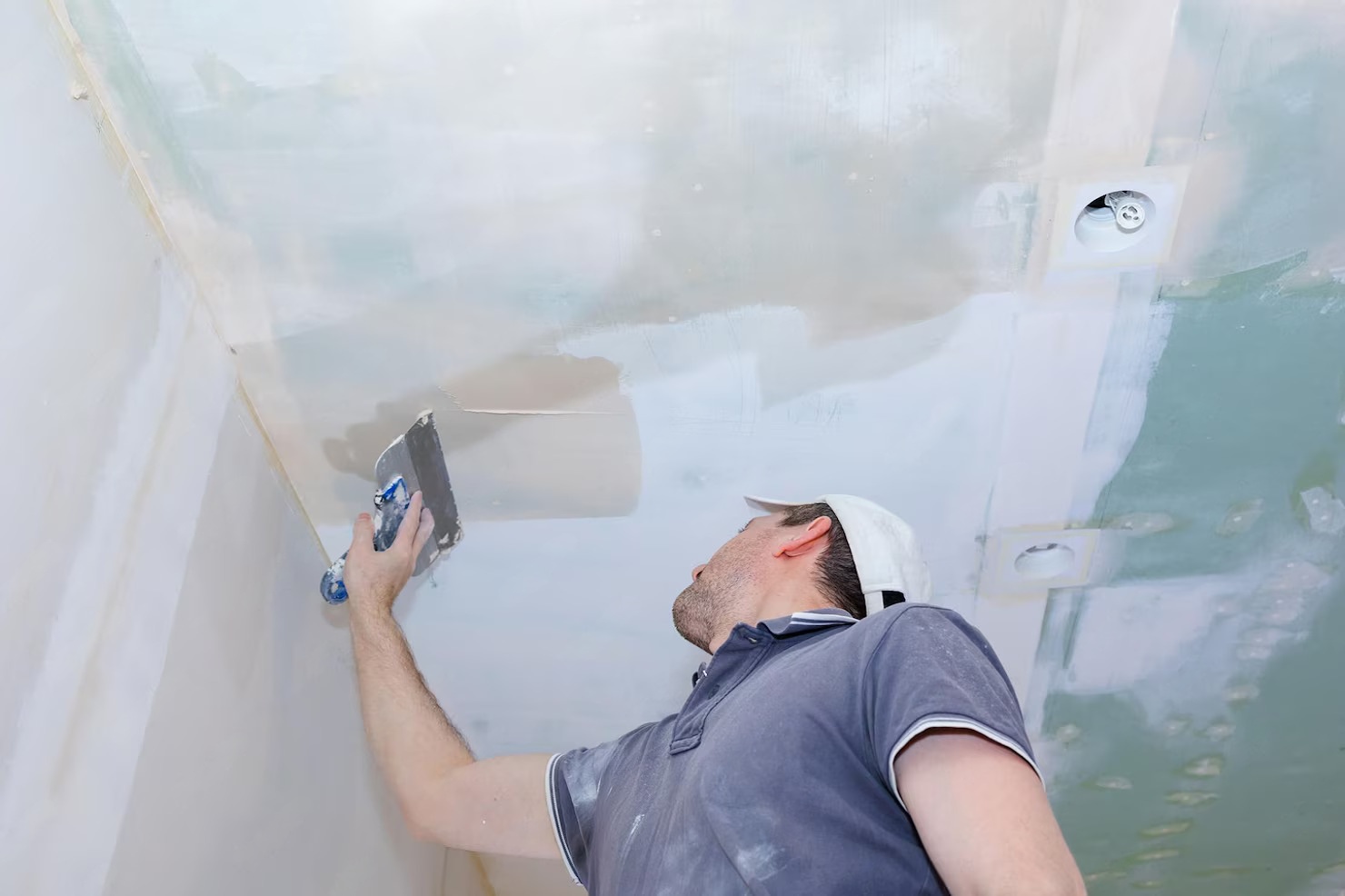
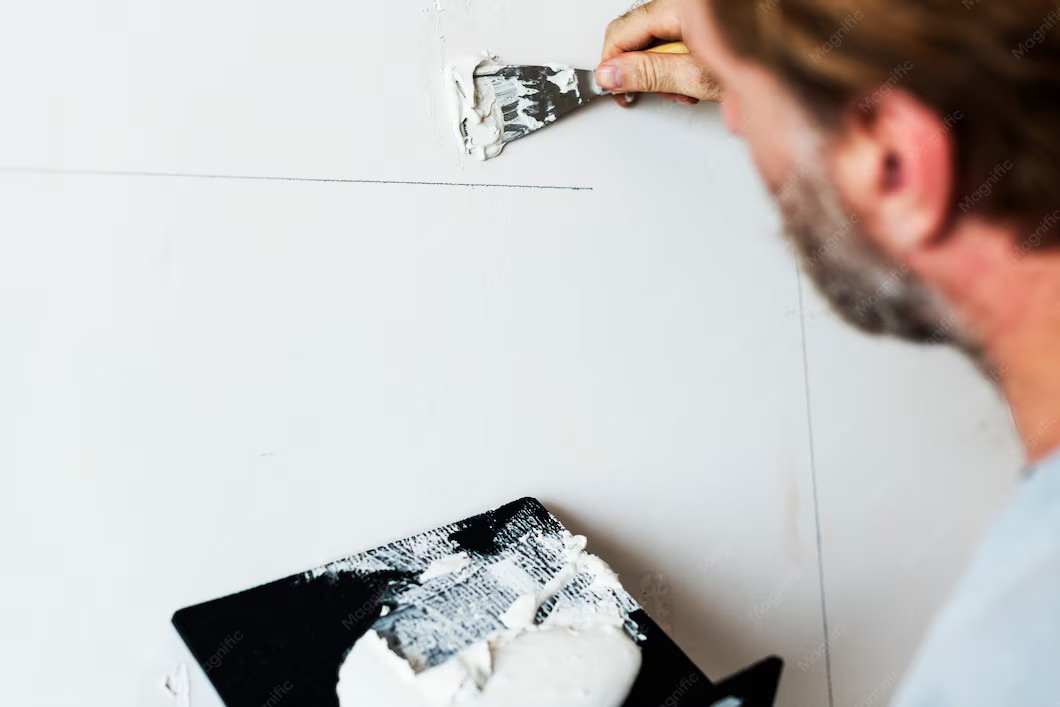
- Applying joint compound to seams
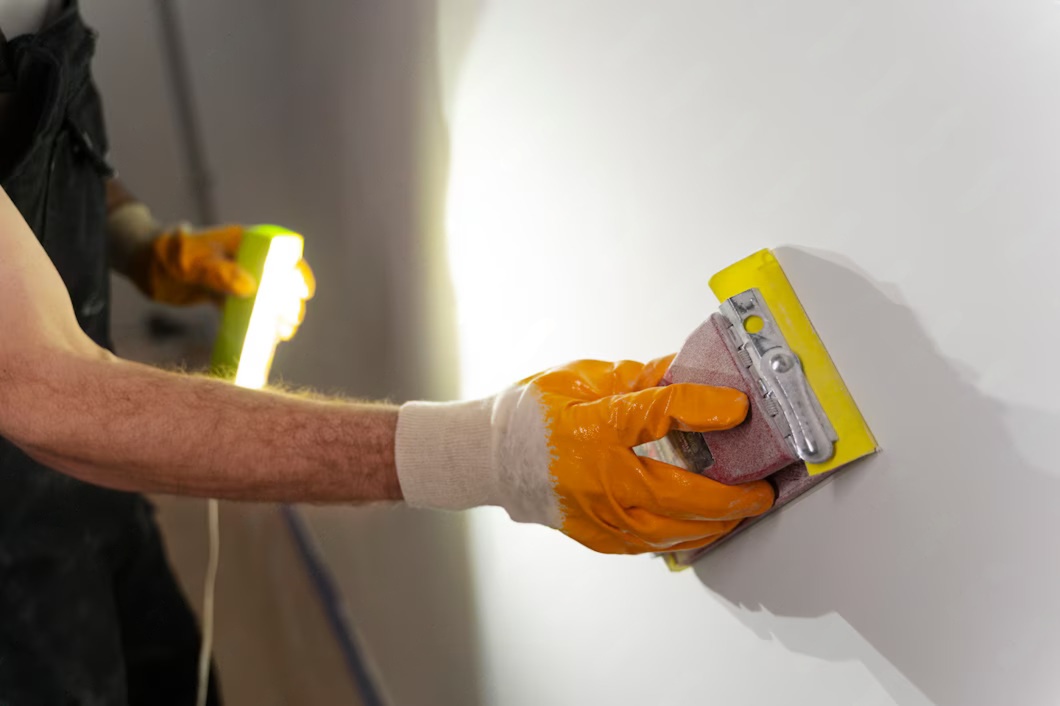
- Sanding and smoothing the joints
- Preparing the surface for paint or finishing
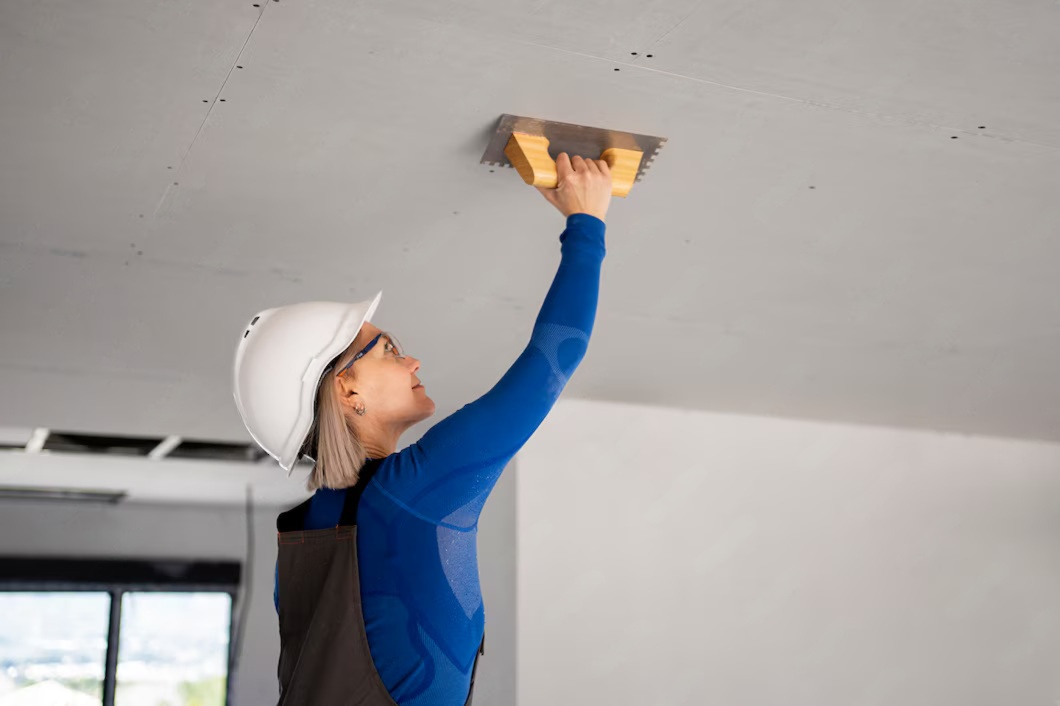
Professional plasterers often deliver a smoother finish because they have the tools and experience needed for perfect joints and edges. DIY renovators can install boards themselves, but finishing the surface to a professional standard can be challenging.
Benefits of Plasterboard for Home Renovations
Plasterboard remains one of the most popular interior building materials. It offers several advantages for homeowners completing renovation projects.
Cost Effectiveness and Availability
Plasterboard is affordable and widely available in Australia. Most hardware stores and building suppliers carry standard sheets in multiple sizes. This makes it easy for DIY renovators to source materials quickly. Budget conscious renovation projects often use plasterboard because it provides excellent value.
Versatility for Walls and Ceilings
Plasterboard can be used in many areas of the home.
Common applications include:
- Interior walls
- Ceiling surfaces
- Partition walls
- Decorative bulkheads
- Feature walls
This flexibility allows homeowners to use the same material across different areas of the home.
Fire and Sound Insulation Benefits
Plasterboard also provides useful performance features. Gypsum contains water molecules that help slow the spread of fire. Some specialised boards also improve sound insulation between rooms. These benefits make plasterboard a practical choice for modern homes.
Benefits of Gyprock Products
Many builders prefer branded products such as gyprock because they offer specialised board types designed for different environments.
High Quality Finishes for Interior Spaces
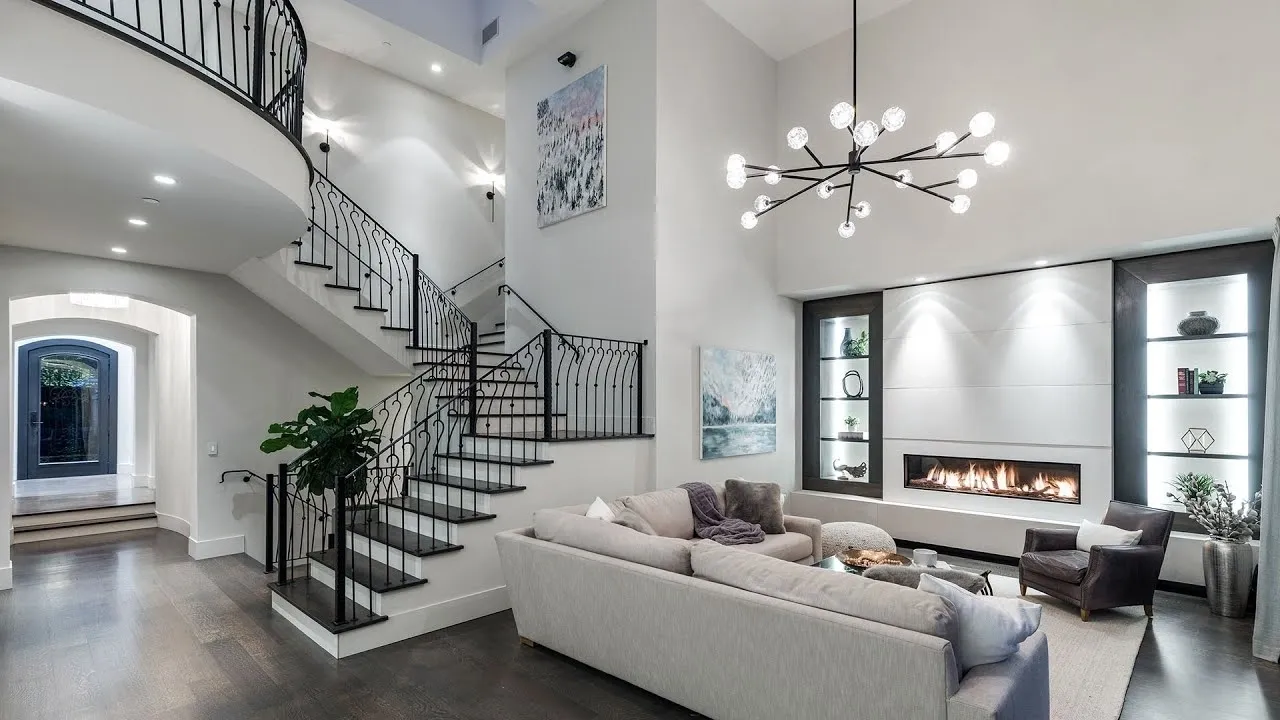
Premium boards often produce smoother surfaces after finishing. This makes them ideal for interior spaces where high quality paint finishes are important. Living rooms, bedrooms, and entry areas benefit from smooth wall surfaces.
Moisture Resistant Options for Wet Areas
Bathrooms, kitchens, and laundry rooms require special materials that resist moisture. Moisture resistant boards include protective additives that reduce water absorption.
These boards are commonly used in:
- Bathrooms
- Kitchens
- Laundry rooms
- Basements
Using moisture resistant boards helps prevent long term damage.
Performance in High Humidity Environments
Homes in coastal regions such as the Gold Coast often experience higher humidity levels. Boards designed for humid environments help protect walls and ceilings from moisture related problems. This is an important consideration for long term durability.
Choosing the Right Board for Gold Coast Conditions
Climate plays an important role when selecting building materials. The Gold Coast has warm temperatures, coastal air, and seasonal humidity.
These conditions affect interior construction materials.
Impact of Humidity on Wall and Ceiling Materials
High humidity can affect building materials over time.
Moisture exposure may lead to:
- Surface mould growth
- Warping or sagging panels
- Joint cracking
- Reduced durability
Choosing the right plasterboard type helps prevent these problems.
Moisture Resistant Boards for Coastal Homes
Many homes near the coast use moisture resistant plasterboard.
These boards are specifically designed to handle humid environments.
Benefits include:
- Reduced moisture absorption
- Improved durability
- Better resistance to mould growth
This makes them suitable for coastal homes in Queensland.
Ceiling Plaster Options for Long Term Durability
Ceilings require strong boards that resist sagging.
Special ceiling boards are designed with reinforced cores that support larger spans. These boards help maintain a flat ceiling surface for many years. Selecting the correct ceiling plaster option is important for both appearance and structural reliability.
When to Use Standard Plasterboard vs Gyprock
Different areas of the home may require different board types. Understanding where each option works best helps improve renovation results.
Best Uses for Standard Interior Walls
Standard plasterboard works well in many dry areas.
These include:
- Bedrooms
- Living rooms
- Hallways
- Home offices
These spaces typically do not experience high moisture levels.
Best Boards for Bathrooms and Kitchens
Wet areas require specialised materials.
Moisture resistant boards are recommended for:
- Bathroom walls
- Kitchen splashback areas
- Laundry rooms
These boards protect the wall structure from moisture damage.
Renovation Projects That Need Stronger Boards
Some renovation projects benefit from stronger plasterboard options.
Examples include:
- High traffic areas
- Garage walls
- Commercial spaces
- Impact resistant surfaces
Stronger boards provide better durability in these environments.
Installation Tips for DIY Home Renovators
DIY renovation projects can be rewarding, but installing plasterboard requires careful planning.
Following proper techniques helps achieve better results.
Preparing Walls and Ceilings
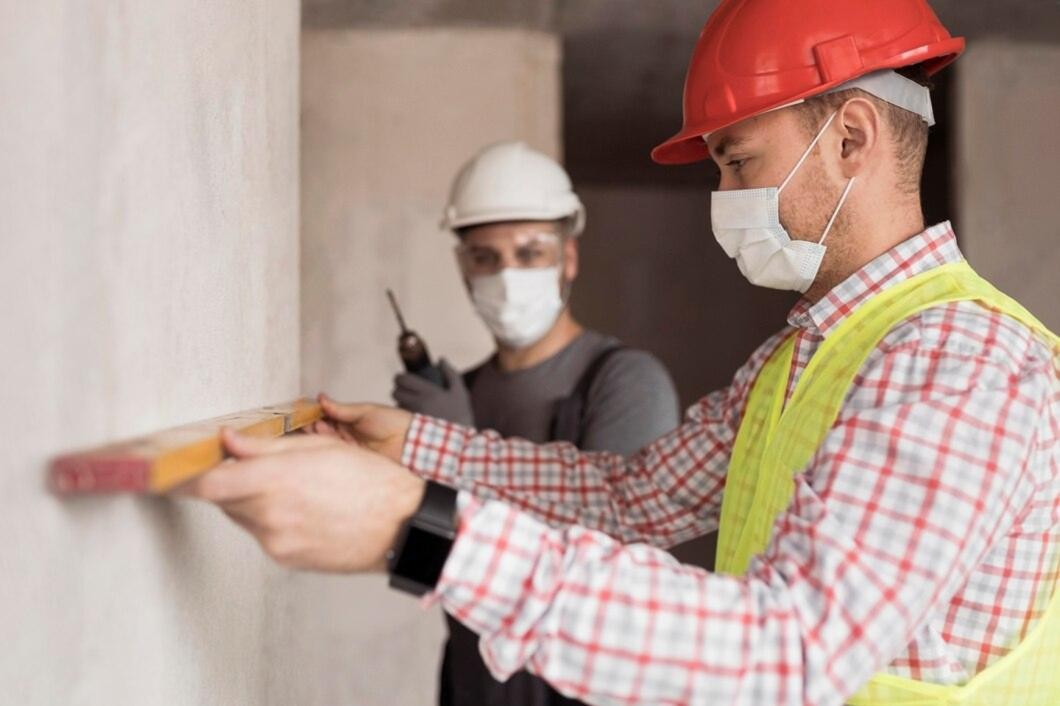
Before installation, make sure the framing structure is level and secure.
Proper preparation includes:
- Checking timber or metal studs
- Measuring and cutting boards accurately
- Planning joint placement
- Allowing space for electrical and plumbing components
Careful preparation makes installation easier.
Common Mistakes DIY Renovators Should Avoid
DIY renovators sometimes encounter issues when installing plasterboard.
Common mistakes include:
- Incorrect screw placement
- Uneven board alignment
- Poor joint finishing
- Inadequate sanding before painting
These problems can affect the final appearance of the wall or ceiling.
When to Hire Professional Plasterers
Some renovation projects benefit from professional installation. Large areas, ceilings, and complex layouts require experience and specialised tools. Working with professionals can help ensure a smooth finish and long lasting results.
Homeowners in the Gold Coast area can explore professional plastering services through
Magic Mud Plastering. Their team provides plasterboard installation, ceiling plastering, and renovation support for residential projects.
Scheduling a consultation can help homeowners choose the right materials for their renovation plans.
Expert Recommendation for Gold Coast Homes
When comparing gyprock vs plasterboard, the best option often depends on the specific area of your home. Standard plasterboard works well for most interior walls in dry spaces. However, coastal homes benefit from moisture resistant boards in areas exposed to humidity. Using high quality materials improves the durability of walls and ceilings over time.
Professional installation also ensures boards are properly secured and finished. This helps achieve smooth surfaces that look great and last longer. Choosing the right combination of materials and skilled installation is the key to a successful renovation.
For homeowners on the Gold Coast, working with experienced plastering professionals such as Magic Mud Plastering can make the entire renovation process easier. Their team understands local building conditions, humidity challenges, and the best plasterboard solutions for coastal homes. This expertise helps ensure walls and ceilings remain durable, smooth, and visually appealing for many years.
Frequently Asked Questions
1. Is gyprock the same as plasterboard?
Gyprock is a brand name, while plasterboard is the general building material.
2. Which board is better for humid homes?
Moisture resistant plasterboard is recommended for humid environments.
3. Can DIY homeowners install plasterboard?
Yes, but finishing joints smoothly often requires professional skill.
4. What type of board works best for ceilings?
Ceiling specific plasterboard is designed to prevent sagging.
5. Are moisture resistant boards necessary in bathrooms?
Yes, they help protect walls from moisture damage.