Finding the right plastering contractors can make or break a commercial fit-out, renovation, or new build. Unlike a small residential patch job, commercial work usually involves tighter deadlines, stricter compliance requirements, and a finish that needs to hold up under constant foot traffic and daily wear. Choosing a contractor without the right experience can lead to delays, uneven finishes, and repairs that need redoing sooner than expected, which is the last thing any business owner or project manager wants to deal with mid-fit-out.
This guide walks through exactly what to look for when hiring plastering contractors for an office, retail space, or larger commercial renovation. We’ll cover the qualifications worth checking, the range of commercial plastering services you should expect, and the questions that separate an experienced operator from a general handyman taking on work outside their comfort zone. Whether you’re managing an office refit or coordinating a full retail fit-out, our team also provides commercial plastering services across the Gold Coast, so you’ll find plenty of practical detail here to help guide your decision.
Why Choosing the Right Plastering Contractors Matters for Commercial Projects
Commercial plastering work is a different beast to residential jobs, mostly because of scale, timing, and the standards involved. A retail store or office fit-out often runs on a fixed opening date, which means any delay in wall or ceiling finishing can push back the entire project and affect everything from flooring to fit-out furniture arriving on site. Contractors who are used to residential-only work may not have the systems in place to manage larger crews, coordinate with other trades, or work around a tight commercial schedule.
There’s also a compliance side to commercial plastering that residential jobs don’t always require. Fire-rated plasterboard, acoustic separation between tenancies, and specific finishes for wet areas or food preparation zones all need to meet Australian building standards. An experienced commercial plasterer will already understand these requirements and build them into the quote and schedule from the outset, rather than discovering a problem halfway through the job.
Key Qualities to Look for in Plastering Contractors
Not every tradesperson who can plaster a wall is equipped to handle a commercial job from start to finish. Beyond basic plastering skill, commercial work demands project management ability, a solid understanding of building codes, and the capacity to work efficiently across larger areas without compromising the quality of the finish. It helps to look past the marketing and focus on a few concrete indicators of genuine commercial experience.
The best way to judge this is to ask direct questions about past projects, licensing, and how the contractor typically handles a commercial-scale job from quote through to completion. A contractor confident in their commercial experience should be able to answer these questions clearly and without hesitation.
Licensing, Insurance and Compliance
Any plastering contractor working on a commercial site in Queensland should hold a current QBCC licence appropriate to the scope of work, along with public liability insurance that covers commercial premises. This isn’t just a box-ticking exercise, since many commercial landlords and body corporates require proof of both before allowing any trade to start work on site. A contractor who can’t produce this documentation promptly is generally a sign to keep looking elsewhere.
Confirm current QBCC licensing before signing any contract
Ask for proof of public liability insurance covering commercial sites
Check whether the contractor is familiar with fire-rated plasterboard requirements
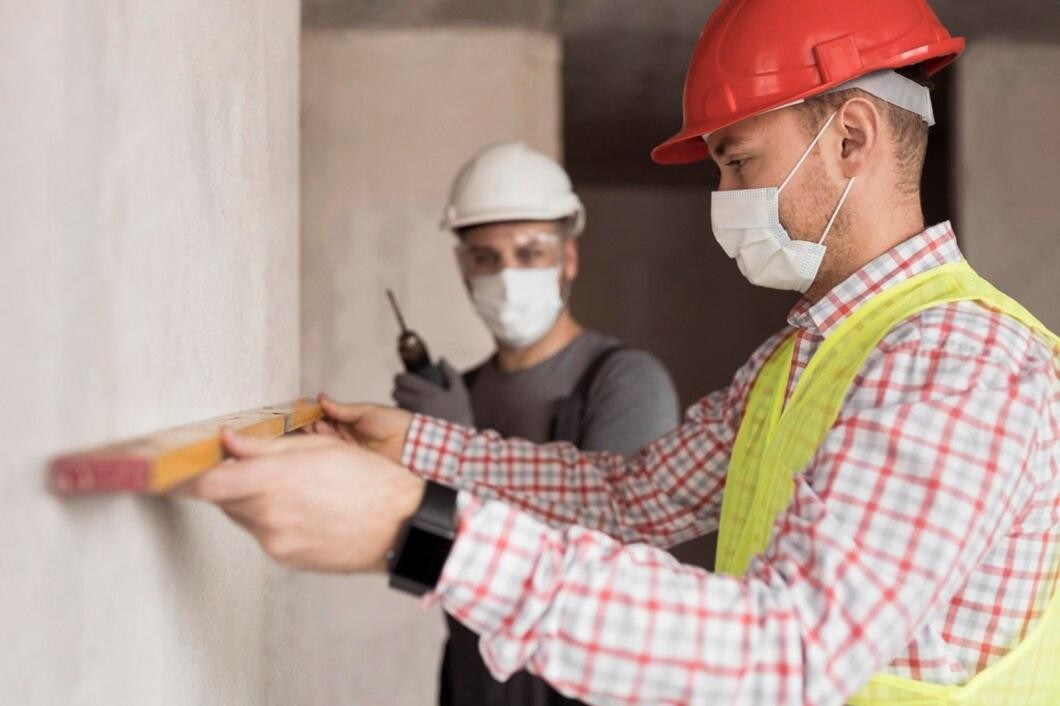
Ask how they handle site inductions and safety requirements for larger buildings
Experience with Commercial-Scale Projects
Commercial projects often involve larger, open-plan areas, tighter access through loading docks or lifts, and coordination with several other trades working on site at the same time. A contractor with genuine commercial experience will be comfortable managing all of this without it affecting the quality or timing of the finished work. It’s worth asking for examples of similar-sized projects they’ve completed recently, along with how they managed scheduling around other trades on site.
Commercial Plastering Services You Should Expect
A capable commercial plastering contractor should be able to offer a broad range of services rather than just basic wall sheeting. Office plastering, for example, often includes partition walls, service risers, and acoustic treatments designed to reduce noise transfer between meeting rooms and open workspaces. Retail fit-out plastering tends to move at a faster pace, with contractors working to strict opening dates and finishing walls, bulkheads, and feature walls that need to look flawless from day one under retail lighting.
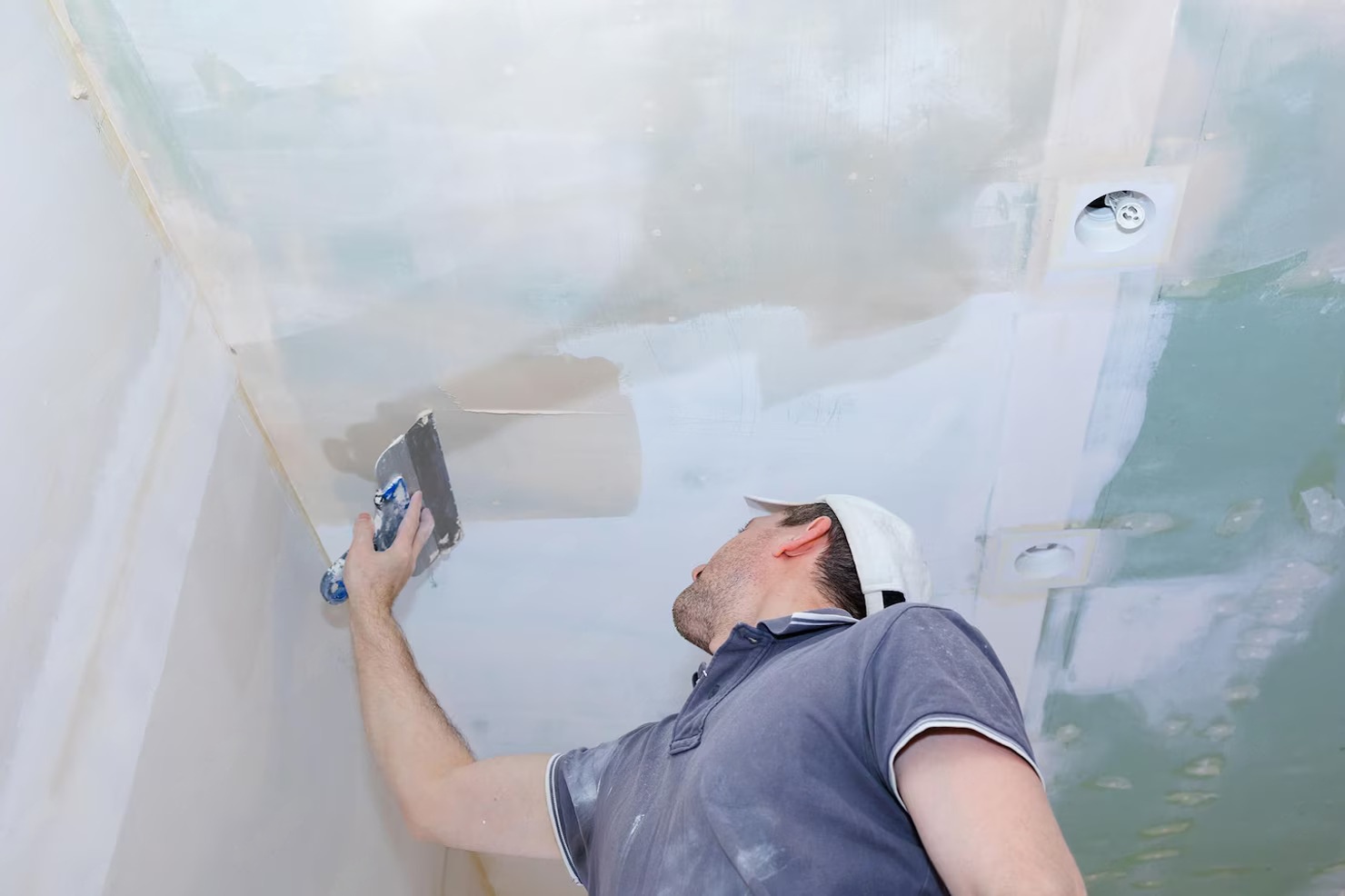
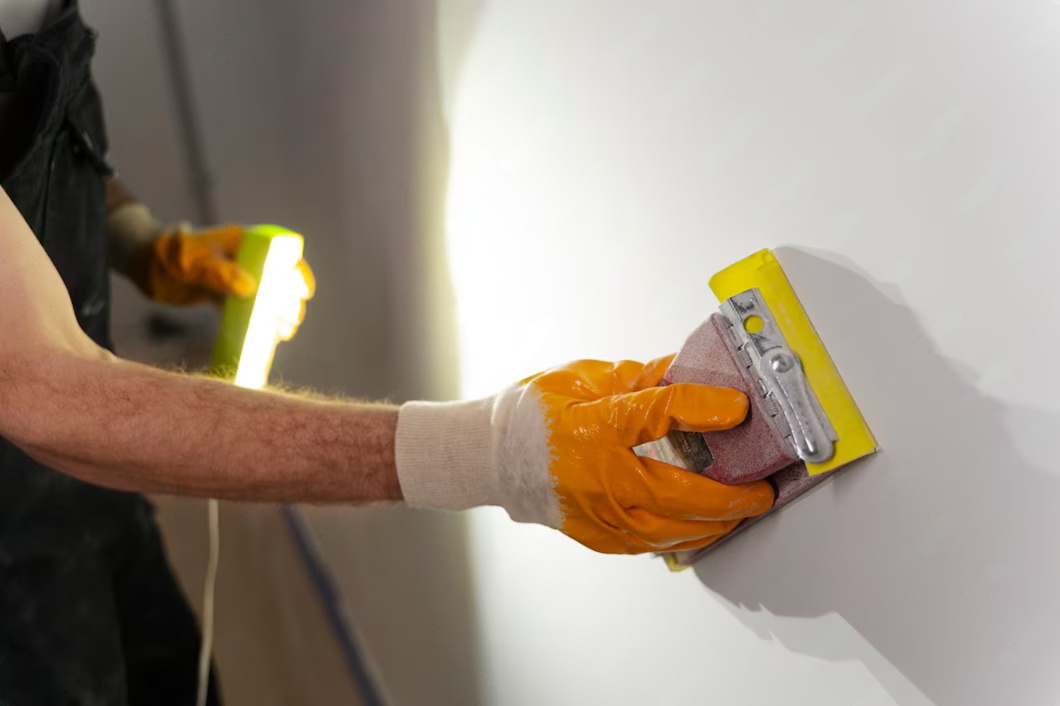
Commercial wall repairs are another service worth confirming upfront, particularly for tenancies that are being refreshed between leases. Wear and tear from years of foot traffic, fixtures being removed, and general use can leave walls needing patching, resheeting, or full replacement in high-traffic areas before a new tenant moves in. A contractor experienced in commercial wall repairs should be able to assess the scope quickly and provide a clear plan for bringing the space back to a presentable standard. For new office layouts, partition walls are usually built using a proper gyprock installation process, which gives a straighter, more durable finish than trying to patch or extend existing walls.
Partition wall construction and plasterboard fit-out for new office layouts
Acoustic plastering solutions for meeting rooms and shared workspaces
Retail fit-out plastering including bulkheads and feature wall finishes
Patch repairs and resheeting for end-of-lease commercial wall damage
Fire-rated plasterboard installation for compliance-sensitive areas
Suspended Ceilings and Specialist Commercial Finishes
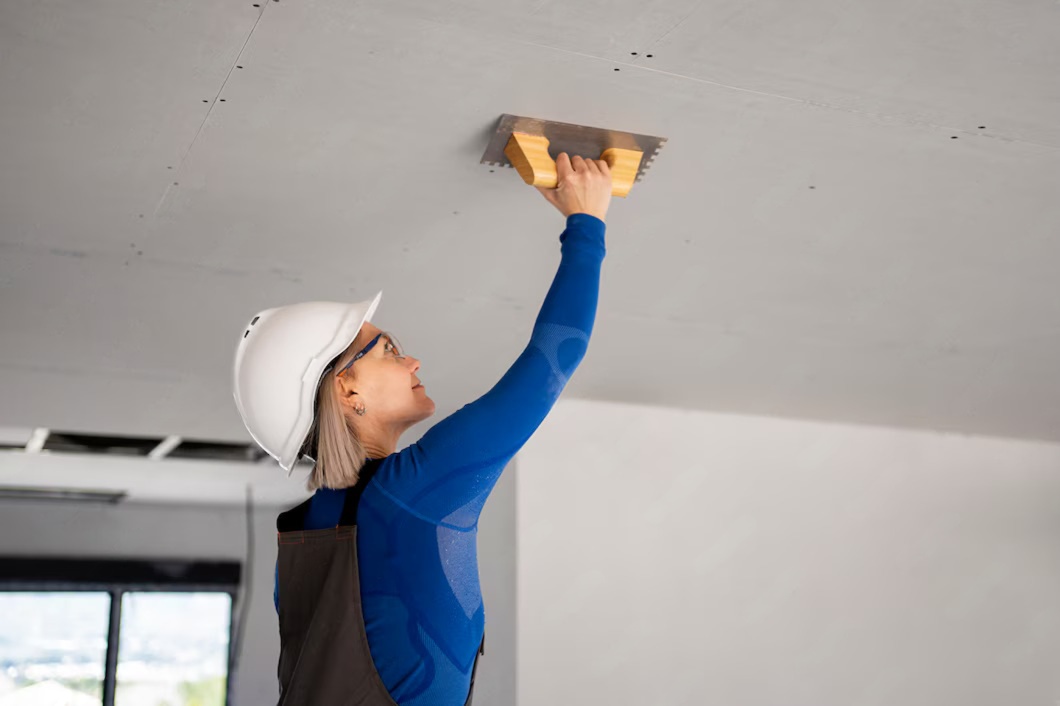
Suspended ceilings are common in commercial buildings, largely because they provide easy access to wiring, air conditioning ductwork, and plumbing above the ceiling line while still delivering a clean, finished look below. Installing and maintaining suspended ceilings requires a slightly different skill set to standard plastering, since the contractor needs to work around grid systems, service penetrations, and sometimes integrated lighting or sprinkler systems. Getting this wrong can create ongoing maintenance headaches, particularly if access panels aren’t positioned sensibly for future trades.
Beyond suspended ceilings, many commercial spaces also call for specialist finishes such as square-set cornices, seamless bulkheads, or plasterboard designed to handle higher moisture areas like commercial kitchens and amenities. An experienced plastering contractor will have handled these variations before and can advise on the most practical option for your specific space, including plasterboard suited to wet areas or high-traffic corridors. For larger commercial fit-outs needing new wall and ceiling systems from scratch, a full plasterboard installation is often the most efficient way to get a consistent finish throughout the entire space.
Questions to Ask Before Hiring Plastering Contractors
Before committing to any contractor for a commercial project, it’s worth running through a short list of questions to confirm they’re genuinely set up for the scale and complexity of the job. This isn’t about catching anyone out, but simply making sure expectations are aligned before work begins, which saves a great deal of frustration further down the track. A contractor who welcomes these questions and answers them thoroughly is generally one worth taking seriously.
It’s also worthwhile asking to see photos or examples of previous commercial work, since this gives a much clearer picture of finish quality than a verbal description alone. Our own completed projects, including office and retail fit-outs, are available to browse in our project gallery if you’d like a sense of the standard of finish to expect from an experienced commercial plasterer.
How many similar-sized commercial projects have you completed in the past year?
Can you provide references from recent commercial clients or site managers?
How do you handle scheduling changes or delays caused by other trades?
What safety and induction processes do you follow on commercial sites?
Do you offer any warranty or follow-up on completed commercial work?
Red Flags to Watch Out For When Choosing Contractors
While most tradespeople operate professionally, there are a few warning signs worth watching for when hiring plastering contractors for commercial work. Vague answers about licensing, an unwillingness to provide proof of insurance, or reluctance to commit to a written scope of work are all reasons to pause before signing anything. Commercial projects carry more risk than residential ones, both in terms of cost of delay and compliance obligations, so it pays to be thorough during the selection process rather than rushing into a decision.
Another common issue is contractors underestimating the time required for a commercial job because they’re used to smaller residential projects. This can lead to rushed work, missed deadlines, or corners being cut to meet an unrealistic timeframe that was never achievable in the first place. Taking the time to properly vet a contractor upfront is a far better approach than dealing with a rushed or incomplete job later on.
Reluctance to provide licensing or insurance documentation
No clear written scope of work or project timeline provided
Little or no experience with projects of a similar scale
Overly optimistic timeframes that don’t account for commercial complexity
Poor communication or slow response times during the quoting stage
How Commercial Renovations Benefit from the Right Plastering Team
Commercial renovations, whether it’s an office refresh, a full retail refit, or converting a space for a new tenant, rely heavily on the plastering trade to set the foundation for every other finish that follows. Paint, flooring, joinery, and signage all depend on a clean, even wall and ceiling surface to look their best, which means any shortcuts taken during the plastering stage tend to show up clearly once the rest of the fit-out is complete. Choosing an experienced team from the outset helps avoid this domino effect of visible issues later in the project.
The right plastering contractor also brings value beyond the physical work itself, offering practical advice on sequencing, material choices, and how to work around existing services without unnecessary delays. This kind of experience is particularly valuable for commercial renovations with a hard deadline, where every day of delay has a direct impact on rent, staffing, or lost trading time for a retail business. Investing time in choosing the right team upfront consistently pays off across the life of the project.
Conclusion
Hiring the right plastering contractors for a commercial project comes down to checking the fundamentals before work begins, licensing, insurance, relevant experience, and a clear scope of work that both parties understand and agree on. Commercial spaces carry higher stakes than residential jobs, from compliance requirements through to the cost of any delay, so taking the time to properly vet a contractor upfront consistently pays off across the life of the project. A team that communicates clearly, provides solid references, and understands the pace of commercial work will make the entire process considerably smoother.
If you’re planning an office refit, retail fit-out, or larger commercial renovation on the Gold Coast, Magic Mud Plastering has the experience to manage the project from start to finish. Get in touch with Magic Mud Plastering today to request a consultation and find out how we can help bring your commercial space up to standard, on time and to a finish you can rely on.
FAQs
1. What should I look for first when hiring plastering contractors for a commercial job?
Start by confirming current QBCC licensing and public liability insurance suitable for commercial premises. From there, ask about their experience with projects of a similar size and scope. This gives you a quick and reliable way to filter out contractors who may not be set up for commercial-scale work.
2. Is commercial plastering different from residential plastering?
Yes, commercial plastering usually involves larger areas, tighter deadlines, and stricter compliance requirements such as fire-rated plasterboard and acoustic treatments. It also often requires coordination with multiple other trades working on site at the same time. Residential experience alone doesn’t always translate smoothly into commercial project management.
3. How long does a typical office or retail fit-out plastering job take?
Timeframes vary significantly depending on the size of the space and the complexity of the finishes required. A smaller office partition job may take a matter of days, while a full retail fit-out with suspended ceilings and multiple wall systems can take considerably longer. An experienced contractor should be able to give a realistic timeframe once they’ve seen the site and scope.
4. Do plastering contractors handle suspended ceiling installation as well as walls?
Many experienced commercial plastering contractors do offer suspended ceiling installation alongside standard wall plastering. It’s worth confirming this upfront, since not every contractor is equipped to work with grid systems and service penetrations. Asking for examples of past suspended ceiling projects is a good way to check their experience.
5. What questions should I ask before signing a contract for commercial plastering work?
Ask about recent commercial project experience, request references, and clarify how the contractor handles scheduling delays caused by other trades. It’s also worth confirming their approach to safety inductions and whether any warranty applies to completed work. Clear answers to these questions are a strong indicator of a professional operator.
6. Can the same contractor handle both commercial wall repairs and new fit-out work?
Many commercial plastering contractors offer both repair work and full fit-out services, which can simplify coordination if you need ongoing support across multiple properties or lease changes. It’s still worth confirming their specific experience with repairs versus new installations, since the skill sets can differ slightly. A contractor comfortable with both gives you more flexibility for future projects.