Many Sunshine Coast homes built before the 1990s contain asbestos materials. While asbestos was once widely used for its durability and fire resistance, it is now known to pose serious health risks when disturbed. For homeowners living in older properties, understanding asbestos is essential for protecting your family, meeting legal obligations, and avoiding costly mistakes during renovations.
This guide explains where asbestos is commonly found, how to identify potential risks, what Queensland laws require, and why professional asbestos removal in the Sunshine Coast is critical for safety and compliance.
Why Asbestos Is Still a Concern in Sunshine Coast Homes
Asbestos remains a concern because many older homes still contain original building materials. In Queensland, asbestos was widely used in residential construction until it was phased out in the late 1980s and early 1990s.
Sunshine Coast homes built during this period often used asbestos cement sheeting, textured ceiling materials, and wall linings. These materials can remain stable for decades if undisturbed. However, damage, ageing, or renovation work can release dangerous fibres into the air.
Ignoring potential asbestos risks can expose occupants to serious health hazards and legal consequences. Awareness and early action are essential for homeowners.
What Is Asbestos and Why It Was Used
Asbestos is a naturally occurring mineral made up of fine fibres. It was widely used in Australian homes due to its strength, heat resistance, and affordability.
Builders valued asbestos for its insulating properties and durability. It was commonly added to cement sheets, plasterboard products, roofing materials, and textured coatings.
Queensland gradually restricted asbestos use as health risks became clear. By the early 1990s, asbestos was banned from residential construction. Despite this, many older homes still contain asbestos products that require careful management.
How to Identify Asbestos in Older Homes
Identifying asbestos visually is difficult. Many asbestos products look similar to non asbestos materials. This makes professional asbestos inspection essential.
Common visual signs include cement sheets with a dimpled or fibrous appearance and old textured ceilings. However, these indicators alone are not enough to confirm asbestos.
Asbestos inspection involves sampling materials and testing them in a certified laboratory. This process confirms whether asbestos is present and determines the type and condition.
DIY identification is unsafe because disturbing materials can release fibres. Professional inspection ensures accurate identification without risk.
Common Locations of Asbestos in Sunshine Coast Homes
Asbestos is often found in ceilings and walls of older homes. Asbestos cement sheeting was commonly used as wall lining and eaves material. Textured ceilings, sometimes called popcorn ceilings, may contain asbestos. These finishes were popular in mid century homes. Other common locations include bathrooms, laundries, garages, and sheds. Asbestos was also used in fencing and roofing materials. Renovations that involve cutting, drilling, or demolition pose the highest risk of fibre release.
Health Risks Associated with Asbestos Exposure
Asbestos fibres are dangerous when inhaled. Once airborne, these microscopic fibres can lodge in the lungs. Short term exposure may not cause immediate symptoms. Long term exposure increases the risk of serious illnesses such as asbestosis, lung cancer, and mesothelioma. Families and occupants are at risk if asbestos materials deteriorate or are disturbed. Children are particularly vulnerable due to their developing lungs. Preventing exposure is critical. This is why safe handling and professional removal are essential.
Asbestos in Ceilings and Walls
Asbestos in ceilings and walls is especially concerning because these areas are frequently disturbed during renovations.
Asbestos cement sheets were often used behind tiles, under paint, or as internal wall linings. Over time, these materials can crack or degrade.
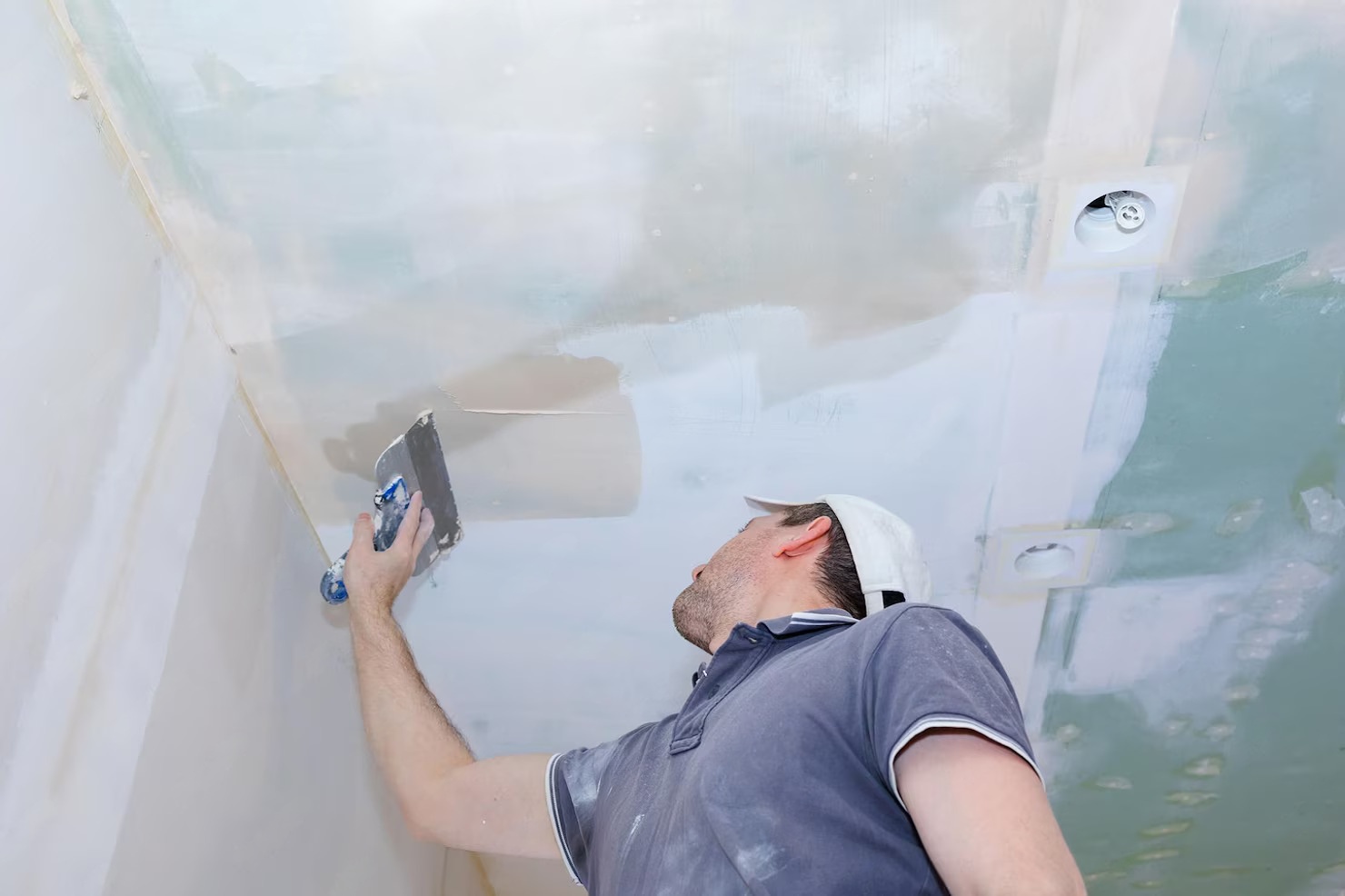
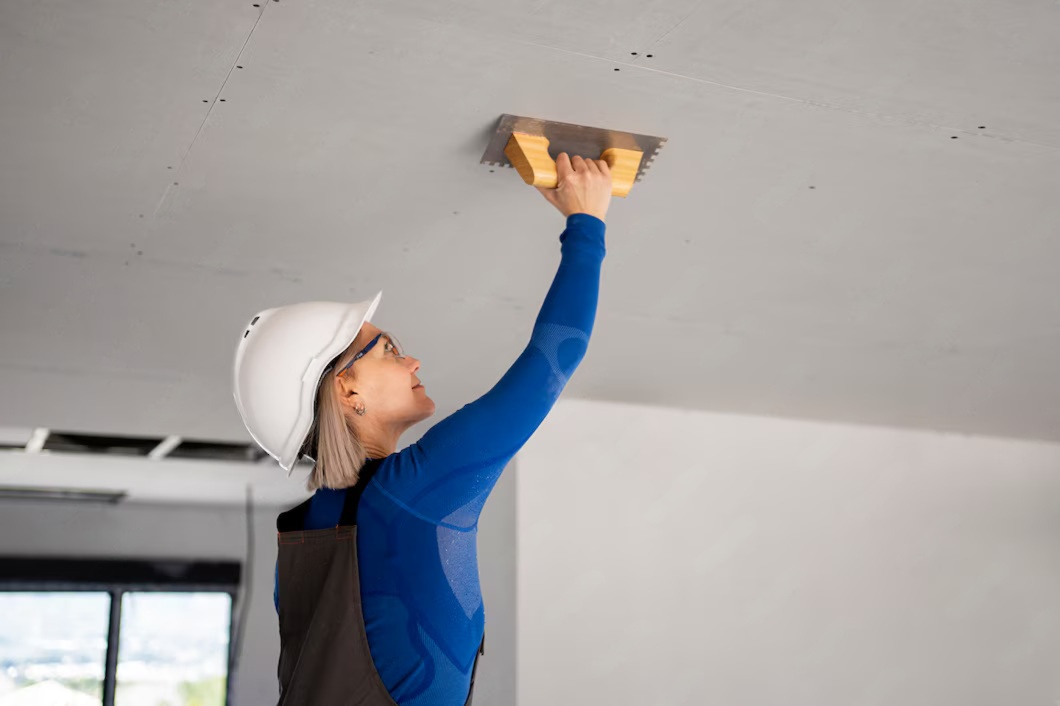
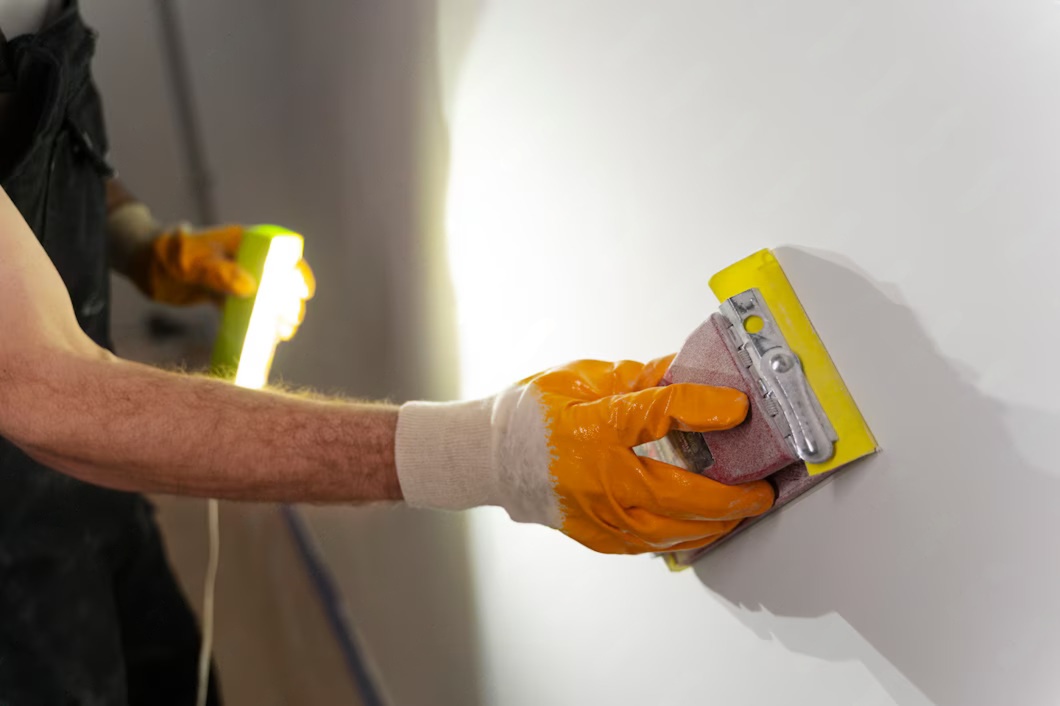
Textured ceiling products may release fibres if scraped, sanded, or damaged. Ceiling spaces also allow fibres to spread easily throughout the home.
Understanding the presence of asbestos before any work begins protects both occupants and tradespeople.
QLD Asbestos Laws Homeowners Must Know
Queensland asbestos laws place responsibilities on homeowners. You must not disturb asbestos materials unless appropriate safety measures are followed. Licensed asbestos removal is required when asbestos removal exceeds certain limits or involves friable materials. Even small amounts require careful handling and disposal.Penalties for non compliance can be severe. Illegal removal or disposal of asbestos can result in fines and legal action.Asbestos waste must be disposed of at approved facilities. Proper documentation and clearance are required to confirm safe removal.
Safe Asbestos Removal Process Explained
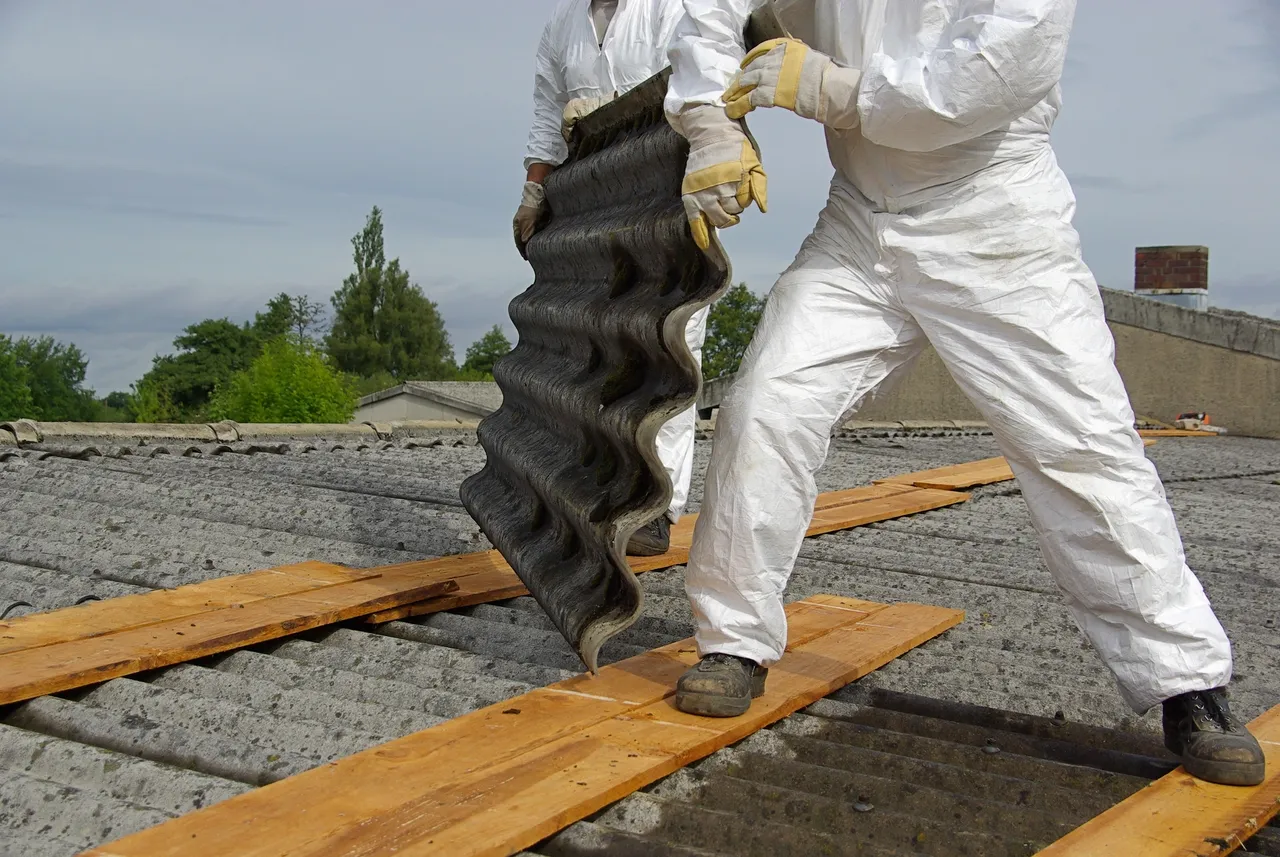
Safe asbestos removal follows a strict process designed to minimise risk.The process begins with a professional asbestos inspection and testing. This confirms the presence, type, and condition of asbestos materials.Containment measures are then put in place. This includes sealing work areas, using protective equipment, and preventing fibre spread.Controlled removal techniques are used to minimise disturbance. Materials are carefully removed and sealed in approved packaging.
Asbestos waste is transported to licensed disposal facilities. Final clearance inspections ensure the area is safe for reoccupation.
Why Professional Asbestos Removal Matters
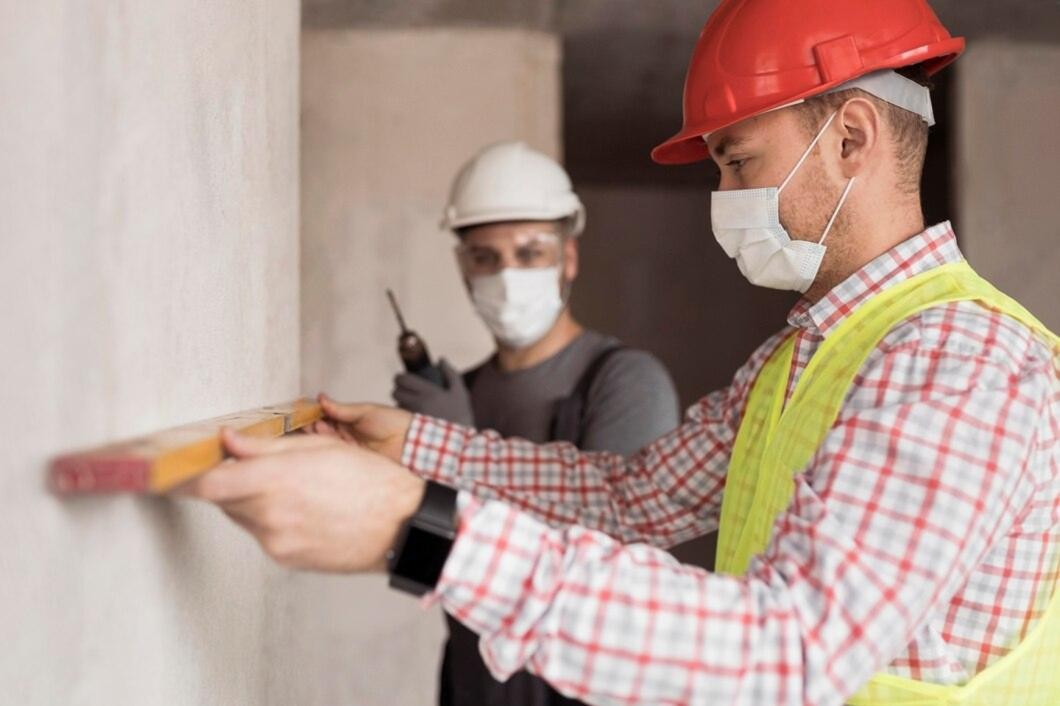
Professional asbestos removal on the Sunshine Coast ensures safety and compliance. Licensed professionals are trained to handle asbestos safely and legally.
They understand Queensland regulations and follow approved procedures. This protects homeowners from legal risk and health exposure.
Professional removal also prevents contamination of surrounding areas. Proper containment and cleanup reduce long term risks.
Choosing Magic Mud Plastering Sunshine Coast professionals provides peace of mind and protects property value.
When to Arrange Asbestos Removal on the Sunshine Coast
Asbestos removal should be arranged before renovations or demolition. Early identification prevents delays and unexpected costs. Removal is also recommended when asbestos materials are damaged or deteriorating. Cracks, water damage, or crumbling materials increase fibre release risk.
Homeowners selling or upgrading older properties may also choose removal to improve safety and compliance. Proactive management reduces risk and ensures smooth renovation projects.
Managing Asbestos Safely Until Removal
If asbestos is present but undamaged, it may be managed safely until removal is necessary. This includes regular monitoring and avoiding disturbance.Sealing or encapsulating asbestos materials may be recommended in some cases. This reduces fibre release while maintaining safety. Professional advice ensures the right approach is taken based on condition and location.
The Importance of Local Expertise
Sunshine Coast homes face unique environmental conditions. Humidity and coastal air can affect building materials over time. Local professionals understand these factors and how they impact asbestos materials. This local knowledge improves assessment accuracy and removal outcomes. Working with local experts also ensures compliance with regional disposal facilities and regulations.
Final Thoughts: Protecting Your Home and Health
Asbestos in older Sunshine Coast homes is a serious issue that requires informed decision making. Understanding the signs, risks, and legal requirements helps homeowners take responsible action.
Professional asbestos inspection and removal protect your family, your property, and your peace of mind. Early identification and safe handling prevent long term health risks and costly mistakes. If your home was built before the 1990s, asbestos awareness is essential for any renovation or maintenance work.
If you suspect asbestos in your home or are planning renovations, Magic Mud Plastering Gold Coast can help guide you through safe and compliant solutions. Our team works with trusted professionals to ensure asbestos risks are managed correctly before any plastering or renovation work begins. Contact us today to discuss your property and take the first step toward a safer home.
Frequently Asked Questions (FAQs)
Q: How can I tell if my home contains asbestos?
A: The only reliable way is through a professional asbestos inspection and laboratory testing. Visual identification alone is not safe or accurate.
Q: Is asbestos dangerous if left undisturbed?
A: Asbestos materials that are in good condition and undisturbed may not pose immediate risk. Damage or disturbance increases danger significantly.
Q: Do Queensland laws require licensed asbestos removal?
A: Yes. Certain types and amounts of asbestos must be removed by licensed professionals under QLD asbestos laws.
Q: Can I remove asbestos myself?
A: DIY removal is strongly discouraged and may be illegal depending on the situation. Improper handling increases health and legal risks.
Q: When should asbestos be removed from a home?
A: Removal is recommended before renovations, when materials are damaged, or when upgrading older homes for safety and compliance.