Cracks, bulges, and water stains on your walls rarely stay small for long. Left alone, a minor blemish can quietly turn into a structural headache, which is exactly why plaster wall repair should never be treated as an afterthought. Whether the damage comes from age, moisture, or general wear, addressing it early protects both the appearance and the integrity of your home.
Many homeowners across the region are turning to trusted plaster repairs specialists rather than attempting a patch-up job themselves. In this article, we will walk through why professional repair work consistently outperforms DIY fixes, how different types of damage are handled, and what you should look for when choosing a tradesperson to restore your walls properly.
Understanding Common Causes of Damaged Interior Walls
Interior walls take a beating over time, and the causes of damage are often more varied than people expect. Understanding what is actually happening behind a crack or stain helps in choosing the right repair approach, rather than simply painting over the problem and hoping it disappears.
Plaster is a breathable, natural material, which means it reacts to changes in humidity, temperature, and structural movement. Homes built decades ago often show more wear simply because the plaster has had longer to respond to these changes. Newer homes are not immune either, particularly if the plasterboard was installed poorly or the building has settled unevenly.
Typical Culprits Behind Wall Damage
Natural building movement and foundation settling over time
Humidity and poor ventilation, especially in bathrooms and laundries
Water leaks from plumbing, roofing, or window seals
Impact damage from furniture, renovations, or accidental knocks
Ageing plaster that has become brittle and prone to cracking
Poorly finished plasterboard joints that separate over time
Recognising the underlying cause matters because a surface-level cosmetic fix will not stop the problem from returning. A qualified plastering professional will assess what is driving the damage before recommending a repair method, which is one of the clearest advantages of going professional from the outset.
Why DIY Repairs Often Fall Short
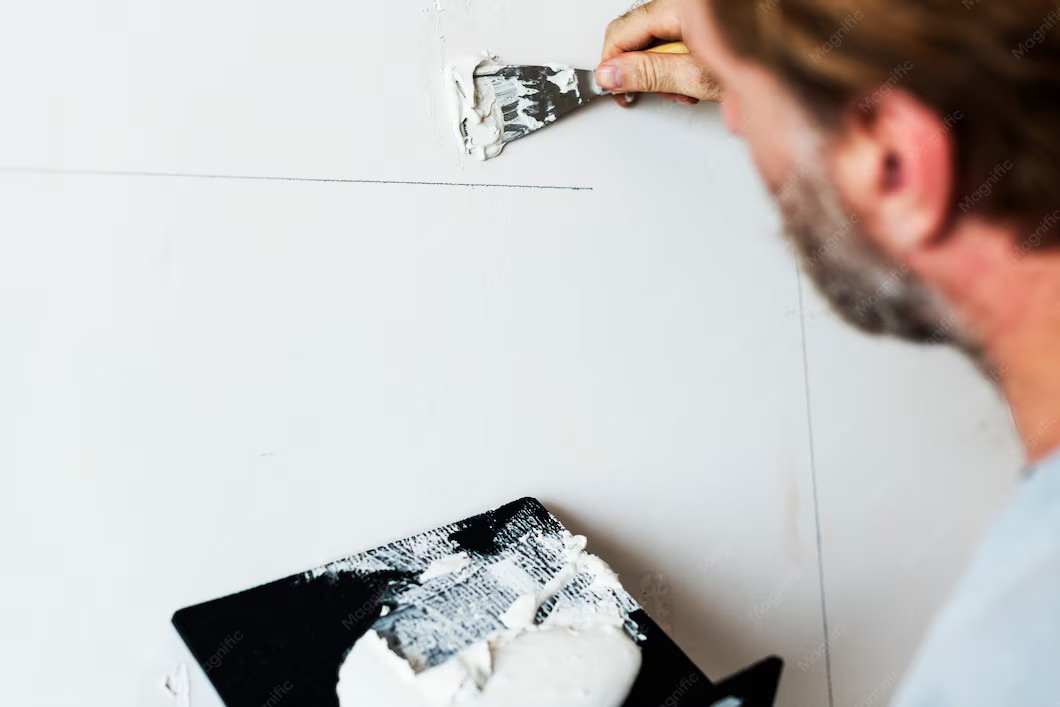
It is tempting to grab a tub of filler and tackle a crack yourself over the weekend. In addition to being time-consuming, however, DIY plaster wall repair frequently leads to disappointing results that need to be redone by a professional anyway.
The issue is rarely about effort. Most homeowners simply do not have access to the tools, materials, or techniques used by trade professionals. Matching an existing wall texture, blending a repair seamlessly, and ensuring the right coat thickness all require experience that comes from years on the job.
Common DIY Mistakes
Using the wrong type of filler for the specific type of damage
Applying plaster too thick or too thin, leading to cracking later
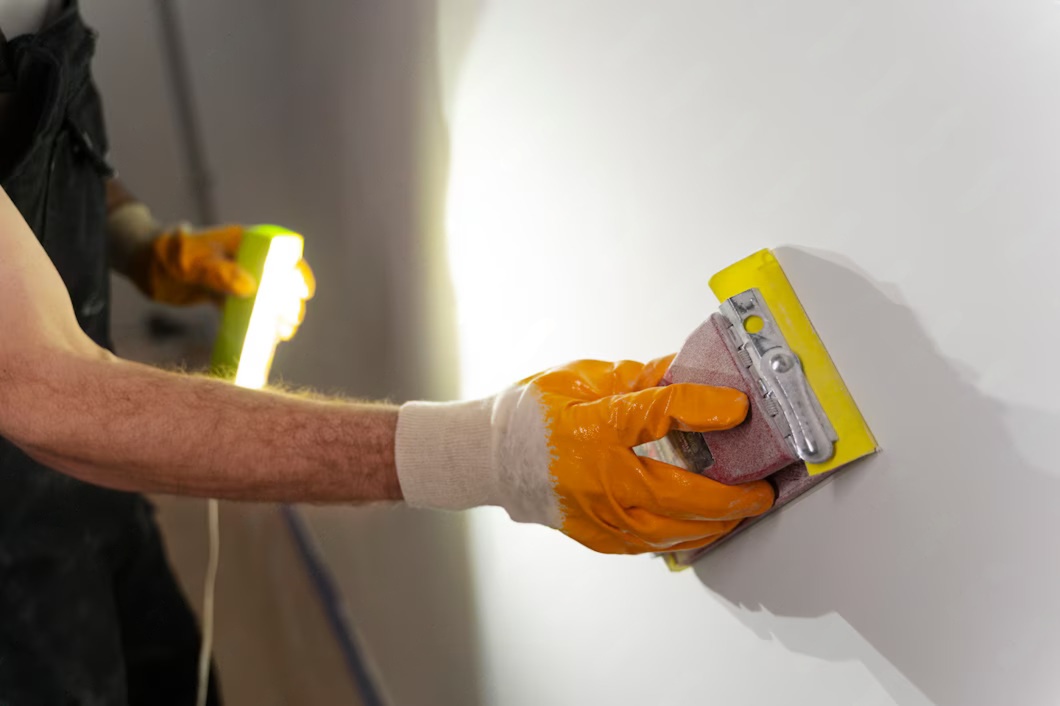
Skipping proper sanding, which leaves visible ridges once painted
Ignoring the root cause, so the crack simply reappears
Ending up with an obvious patch that clashes with the surrounding wall
For example, a hairline crack repair might look fine immediately after painting, only to reopen within a few months because the movement causing it was never addressed. This is where a professional wall plaster repair service earns its value, tackling both the symptom and the cause in one visit.
This is especially true where plasterboard sheets are involved. A homeowner attempting a repair without proper gyprock installation knowledge can easily damage surrounding sheets further, turning a small job into a much larger one.
The Benefits of Professional Plaster Wall Repair
Choosing a professional for plaster wall repair is about far more than convenience. Trained plasterers bring an eye for detail that is difficult to replicate without years of hands-on experience, and this shows in the final finish of the wall.
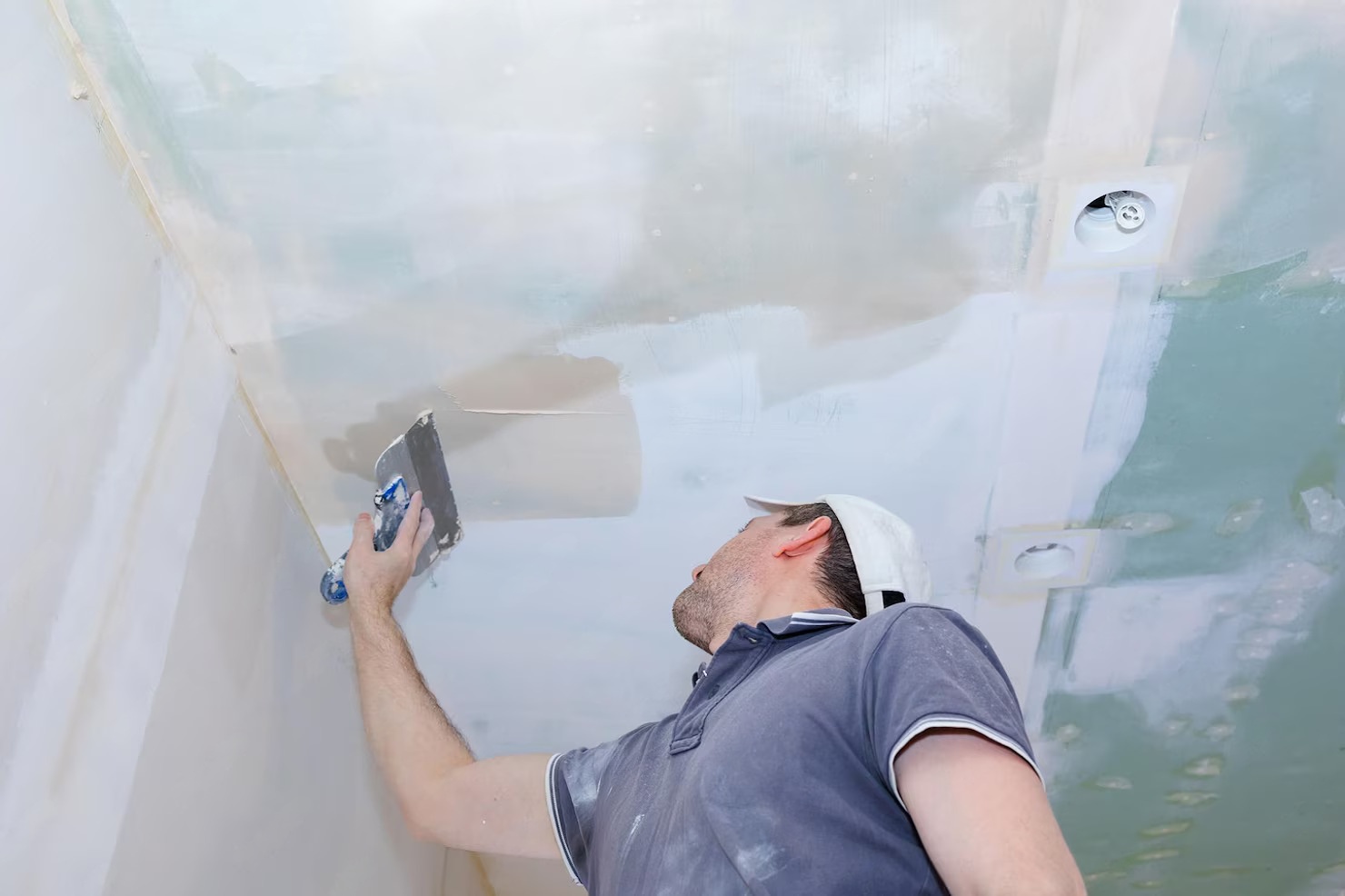
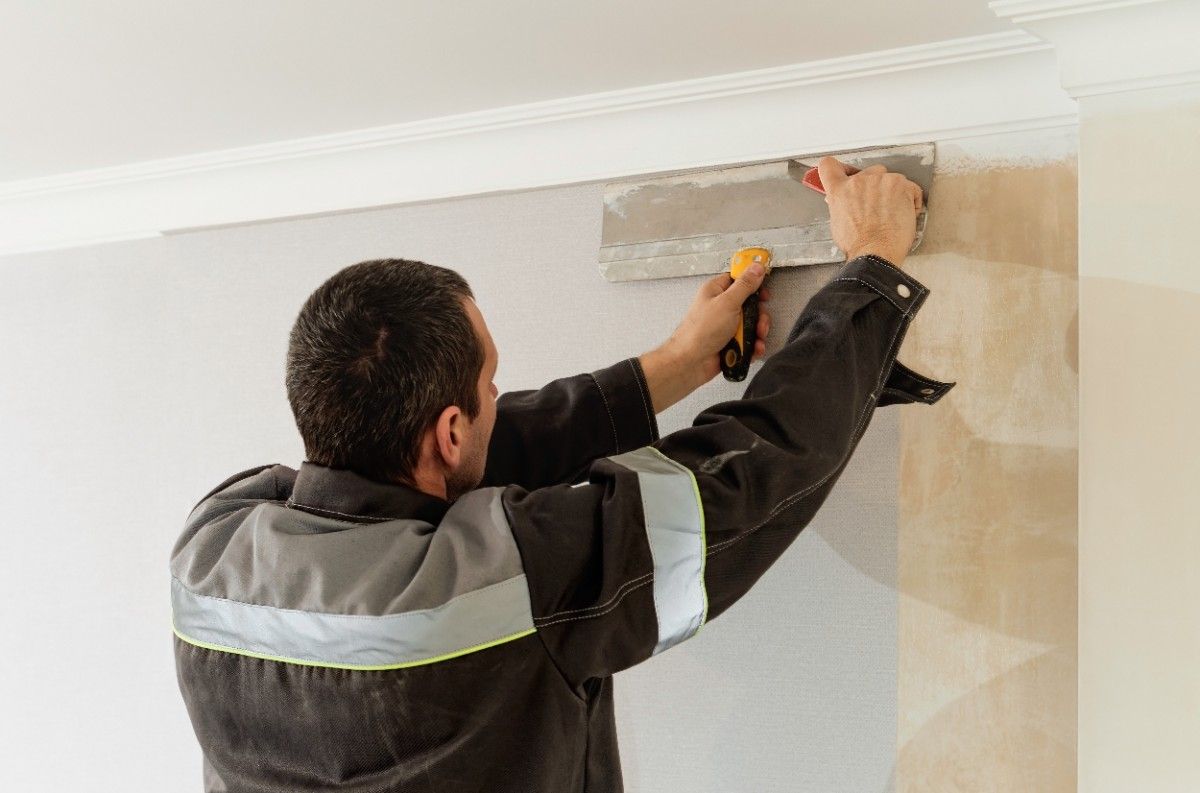
A professional repair typically involves removing damaged plaster back to a sound base, preparing the surface correctly, and applying matched coats that blend with the surrounding texture. This process takes into account drying times, humidity, and the specific plaster type used in your home, all of which affect the durability of the finished repair.
Beyond the visual result, professional repairs also protect the long-term structural health of your walls. Left untreated, small cracks can allow moisture to penetrate further into the wall cavity, creating conditions for mould growth or more serious structural issues. Addressing wall plaster repair early, with the right technique, prevents these problems from compounding.
Working with an experienced provider of plasterboard installation and repair services also means any underlying plasterboard damage can be identified and fixed at the same time, rather than being missed entirely.
How Professional Plasterers Restore Water Damaged Plaster
Water damaged plaster repair is one of the more complex jobs a plasterer will handle, largely because the visible damage is often just the tip of the problem. Moisture can travel through a wall cavity long before any staining appears on the surface, which means the repair needs to address more than what meets the eye.
A professional will first identify and resolve the source of moisture, whether that is a roof leak, a plumbing issue, or condensation from poor ventilation. Repairing the plaster before fixing the underlying cause is a false economy, since the damage will simply return.
The Water Damage Repair Process Generally Includes
Locating and stopping the source of moisture ingress
Removing all affected plaster and checking for hidden damage
Allowing the wall cavity to dry thoroughly before any repair work begins
Treating any mould or mildew growth found during the process
Rebuilding the wall with fresh plaster matched to the existing finish
If mould is present, it is often worth combining your repair with a dedicated mould removal service to ensure spores are properly treated rather than simply painted over. This combined approach gives a healthier, longer-lasting result for the whole household.
Cracked Plaster Repair: What to Expect from the Process
Cracked plaster repair is one of the most common requests homeowners make, and for good reason. Cracks are highly visible, tend to worsen over time, and can be a sign of movement elsewhere in the property that is worth understanding.
Not all cracks are equal. Hairline cracks are usually cosmetic and relatively simple to fix, while wider or stepped cracks can indicate more significant movement that needs closer inspection. A professional plasterer will assess the width, direction, and pattern of a crack before deciding on the right repair method.
What a Professional Assessment Usually Covers
The width and depth of the crack, tested directly on site
Whether the crack follows a straight line or a stepped pattern
Signs of recent movement versus old, stable cracking
Any connection to nearby doors, windows, or ceiling lines
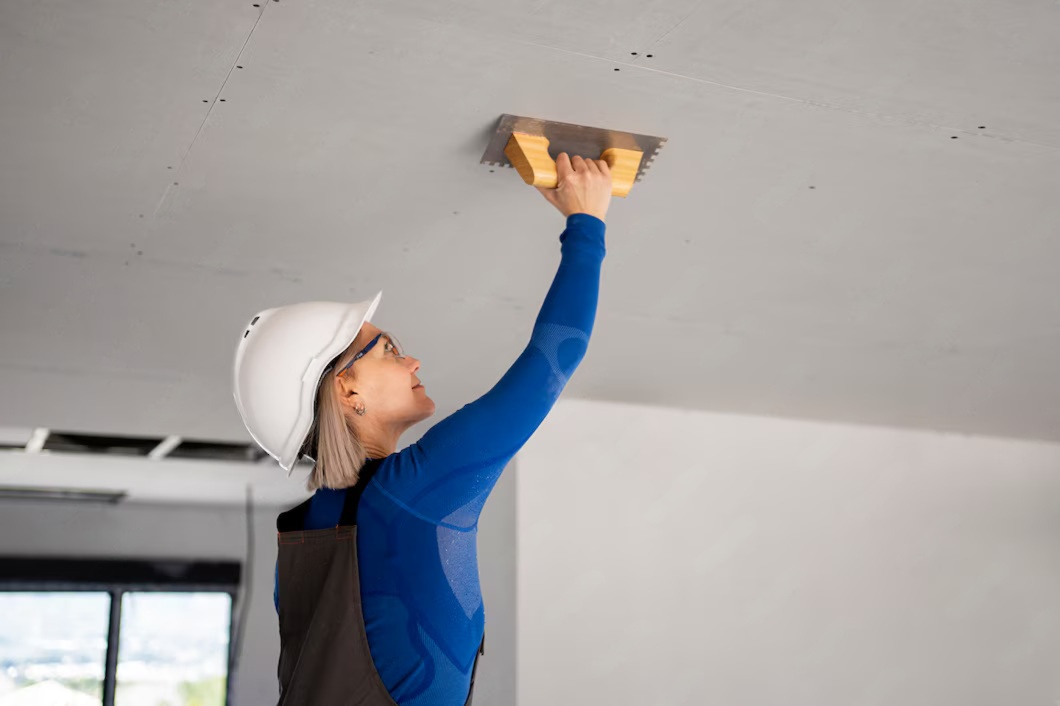
Once the cause is understood, the repair itself generally involves widening the crack slightly to allow proper adhesion, applying a bonding agent, and building up plaster in thin coats to avoid future shrinkage. For ceilings specifically, a specialist in ceiling plaster repairs will use techniques suited to overhead surfaces, which behave differently to vertical walls.
Plaster Restoration Versus Full Wall Replacement
When damage is extensive, homeowners often wonder whether repair is even worthwhile compared to ripping out and replacing the entire wall. In most cases, plaster restoration is the more sensible option, provided the underlying structure is sound.
Restoration preserves the character of older homes, particularly those with original solid plaster walls that are difficult and expensive to replicate with modern materials. A skilled plasterer can restore texture, contours, and detailing that would otherwise be lost through full replacement.
That said, replacement may be necessary in cases of severe structural damage, extensive termite activity, or plaster that has deteriorated beyond a point where restoration would hold. A professional inspection will make this distinction clear, saving you from either an unnecessary full replacement or an inadequate patch job that will not last.
In addition, restoration is generally less disruptive to daily life, since it does not usually require removing skirting boards, cornices, or other fittings connected to the wall.
Our experienced local team can help you weigh up restoration against replacement during an on-site inspection, so you make the right call for your property rather than guessing based on appearance alone.
Choosing the Right Plaster Repairs Gold Coast Specialist
With so many trades offering some form of plastering work, finding the right plaster repairs Gold Coast specialist can feel overwhelming. A few key factors make the decision easier and help ensure the work is done properly the first time.
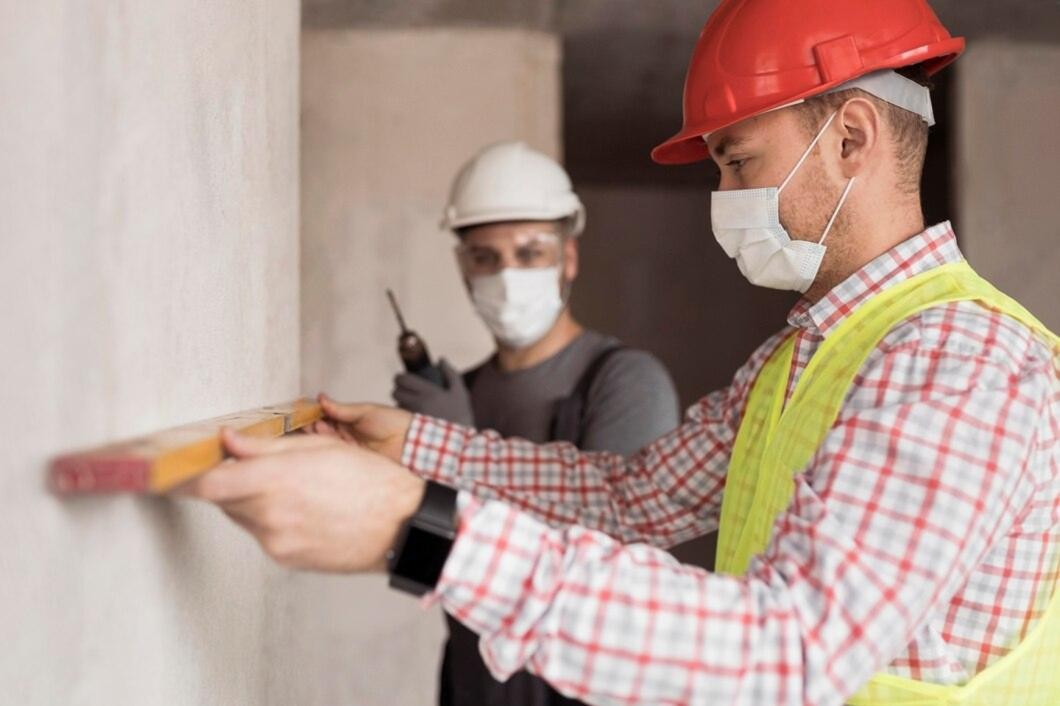
Look for a provider with clear experience across different repair types, including cracked plaster, water damage, and plasterboard issues. Ask how they assess the cause of damage before quoting, since a thorough inspection is usually a sign of a quality tradesperson. It also helps to see examples of completed work, so you can gauge the standard of finish you can expect on your own property.
Questions Worth Asking Before You Book
What is your process for identifying the cause of the damage?
How do you match texture and finish to the existing wall?
Are you licensed and insured for residential plastering work?
What preparation is involved before the repair begins?
Taking a look through a completed projects gallery can also give you a realistic sense of the quality and consistency you should expect from a genuine professional.
Conclusion
Damaged interior walls are more than just a cosmetic annoyance. Whether you are dealing with a stubborn crack, water staining, or a section of plaster that has simply had enough, addressing the problem properly from the start saves you time, money, and frustration down the track. Professional plaster wall repair takes into account the cause of the damage, not just the symptom, which is exactly why the results last far longer than a DIY fix.
If your home has walls or ceilings that need attention, Magic Mud Plastering is ready to help restore them properly. Get in touch with our team today to book an assessment and take the first step towards walls that look as good as new.
Frequently Asked Questions
1. How do I know if my wall needs professional plaster wall repair?
If you notice cracks wider than a hairline, bulging sections, or stains that keep reappearing after painting, it is worth having the wall assessed professionally. These signs often point to movement or moisture issues beneath the surface that a simple filler will not resolve.
2. Can water damaged plaster be repaired without replacing the whole wall?
In most cases, yes. Once the source of moisture is fixed and the wall has dried out fully, a professional can remove and rebuild only the affected section, matching it to the surrounding plaster for a seamless finish.
3. Will a repaired crack come back again later?
A properly diagnosed and repaired crack should not return, provided the underlying cause of movement or stress has been addressed. Cracks that reappear quickly are usually a sign that the original repair only treated the surface.
4. How long does a typical plaster wall repair take to complete?
Smaller repairs, such as a single crack or patch, can often be finished within a day, while larger areas or water damaged sections may take longer due to drying times between coats. A tradesperson can give you a clearer timeframe after inspecting the damage.
5. Is it necessary to repaint the whole wall after a repair?
It depends on the size and location of the repair. Small, well-blended patches sometimes only need spot painting, while larger repairs are usually repainted across the full wall to keep the colour and sheen consistent.
6. What is the difference between plaster restoration and a standard repair?
Plaster restoration typically refers to preserving original detailing and texture, often in older homes, while a standard repair focuses on fixing damage as efficiently as possible. Restoration usually takes more time and skill to match historic finishes.