When it comes time to renovate or build, one of the earliest decisions you will face is what to actually put on your walls. Gypsum plasterboard has been the go-to choice for Australian homes for decades, but a growing range of modern wall systems now promises faster installation, added strength, or improved moisture resistance. Choosing between them affects everything from your budget to the final look of your rooms.
This guide breaks down how gypsum plasterboard compares to newer wall system alternatives, so you can weigh up the practical differences before committing to a renovation or new build. Whichever direction you lean towards, the quality of the underlying plastering work will have just as much impact on the final result as the material itself. We will also look at where each option performs best, and what to keep in mind when it comes to installation and long-term upkeep.
What Is Gypsum Plasterboard?
Gypsum plasterboard is a building material made from a gypsum plaster core, pressed between two sheets of heavy paper lining. It has been the standard lining material for interior walls and ceilings across Australia for generations, largely because it strikes a reliable balance between cost, performance, and ease of use.
The gypsum core gives the board natural fire resistance, since gypsum contains chemically bound water that slows the spread of heat. This is one reason plasterboard remains a preferred choice in areas where fire safety ratings matter, such as shared walls between properties or ceilings above kitchens.
Key Properties of Gypsum Plasterboard
Naturally fire resistant due to the chemically bound water in gypsum
Provides a smooth, paintable surface once joints are finished
Available in specialised variants for moisture, impact, or sound resistance
Lightweight compared to solid masonry or older lath and plaster systems
Widely supported by trades, making repairs and alterations straightforward
Because plasterboard is so widely used, most tradespeople are highly familiar with handling, cutting, and finishing it, which keeps both installation and future repairs relatively straightforward across the Gold Coast region.
What Are Modern Wall Systems?
Modern wall systems cover a broader category of products designed to compete with or complement traditional plasterboard. These systems often target specific challenges, such as faster build times, better thermal performance, or increased resistance to moisture and impact.
Unlike standard gypsum plasterboard, many modern systems are engineered with layered materials or reinforced cores. This can make them better suited to specific applications, though it often comes with different installation requirements and handling techniques compared to a standard plasterboard sheet.
Common Types of Modern Wall Systems
Structural insulated panels (SIPs) combining insulation with a rigid outer layer
Fibre cement sheeting, valued for its durability in wet or high-traffic areas
Magnesium oxide (MgO) board, marketed for strength and moisture tolerance
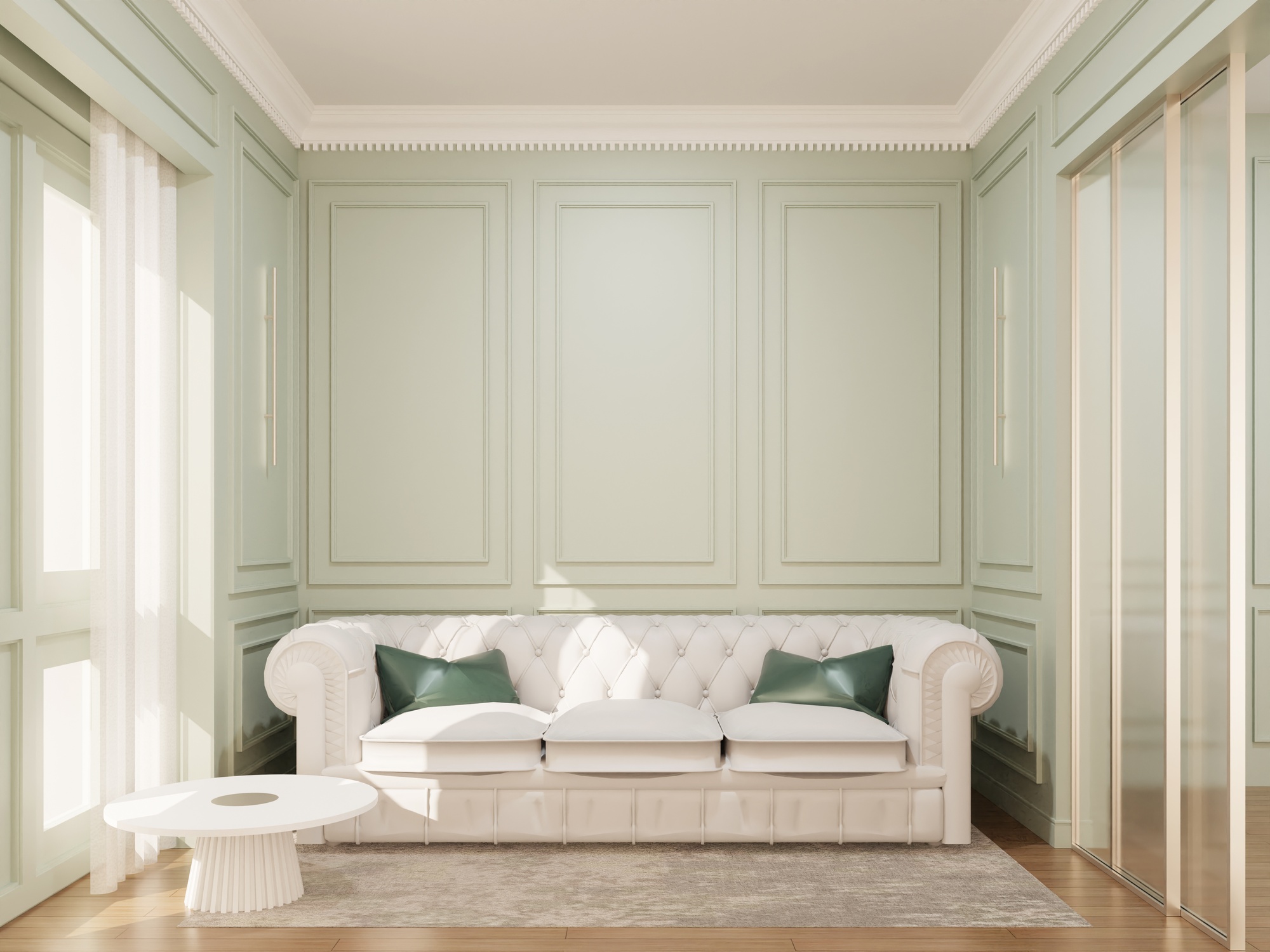
Vertical joint (VJ) panelling, often chosen for a feature wall aesthetic
Acoustic-rated composite panels for noise-sensitive spaces like home theatres
Each of these systems has a specific use case, and few homes will use just one exclusively. In addition, many renovations mix plasterboard with a modern system in specific rooms, using each product where its strengths matter most.
Gypsum Plasterboard vs Modern Wall Systems: Key Differences
Understanding the practical differences between gypsum plasterboard and modern wall systems helps you avoid choosing a product simply because it is newer or more heavily marketed. For example, plasterboard remains hard to beat for general living areas, while some modern systems only make sense in wet areas or feature spaces.
Cost is often the first consideration, though it is closely tied to complexity. Plasterboard is generally simpler and faster to install using established techniques, while several modern systems require specialised fixing methods or additional preparation. This can affect overall project timelines more than people initially expect.
Comparing the Two Approaches
Finish quality: Plasterboard offers a smooth, seamless finish once set and sanded; some modern systems have visible joints as part of the design.
Moisture resistance: Standard plasterboard needs a moisture-rated variant in wet areas, while several modern systems are inherently more resistant.
Fire performance: Gypsum plasterboard has a strong natural fire rating; performance varies more widely across modern alternatives.
Availability of tradespeople: Plasterboard installers are widely available; some modern systems require more specialised experience.
Flexibility for repairs: Plasterboard is generally easier and quicker to patch or replace compared to certain layered modern systems.
For most standard renovations, gypsum plasterboard continues to offer the most balanced combination of these factors, which is why it remains the default choice for the majority of Australian homes.
Why Gypsum Plasterboard Remains a Popular Choice for Gold Coast Homes
Despite the growing range of alternatives, plasterboard sheeting Gold Coast homeowners choose most often is still standard gypsum board. Familiarity plays a large role here, since decades of use mean the material is well understood by builders, plasterers, and painters alike.
Plasterboard also adapts well to Queensland’s climate. Moisture-resistant variants handle bathrooms and laundries effectively, while standard sheets remain the practical option for bedrooms, living areas, and hallways. This flexibility means a single material family can cover almost an entire home.
Cost-efficiency, while not the only factor, also plays into plasterboard’s popularity. Because installation techniques are well established, jobs tend to progress predictably, without the learning curve that can come with newer, less common systems. If your home already has damaged sections that need addressing before a new lining goes up, a trusted plaster repairs service can prepare the surface properly first.
When Modern Wall Systems Might Suit Your Project Better
There are situations where a modern wall system genuinely outperforms standard gypsum plasterboard, and it is worth recognising these rather than defaulting to tradition in every case. Wet areas, for example, often benefit from fibre cement or specialised moisture-rated boards that go beyond what standard plasterboard offers.
High-impact zones, such as garages, workshops, or homes with young children, can also benefit from reinforced or impact-resistant panelling. In addition, feature walls and design-forward spaces sometimes call for the textured or panelled look that certain modern systems provide, which plasterboard alone cannot replicate without additional finishing work.
Situations Where Modern Systems Are Worth Considering
Bathrooms, laundries, and other consistently wet areas
Garages, workshops, or high-traffic commercial spaces
Home theatres or music rooms needing improved acoustic control
Feature walls where a panelled or textured look is the design goal
Even in these cases, plasterboard is often still used throughout the rest of the home, with the modern system reserved for the specific area where its properties add genuine value.
Installation Considerations for Plasterboard and Wall Systems
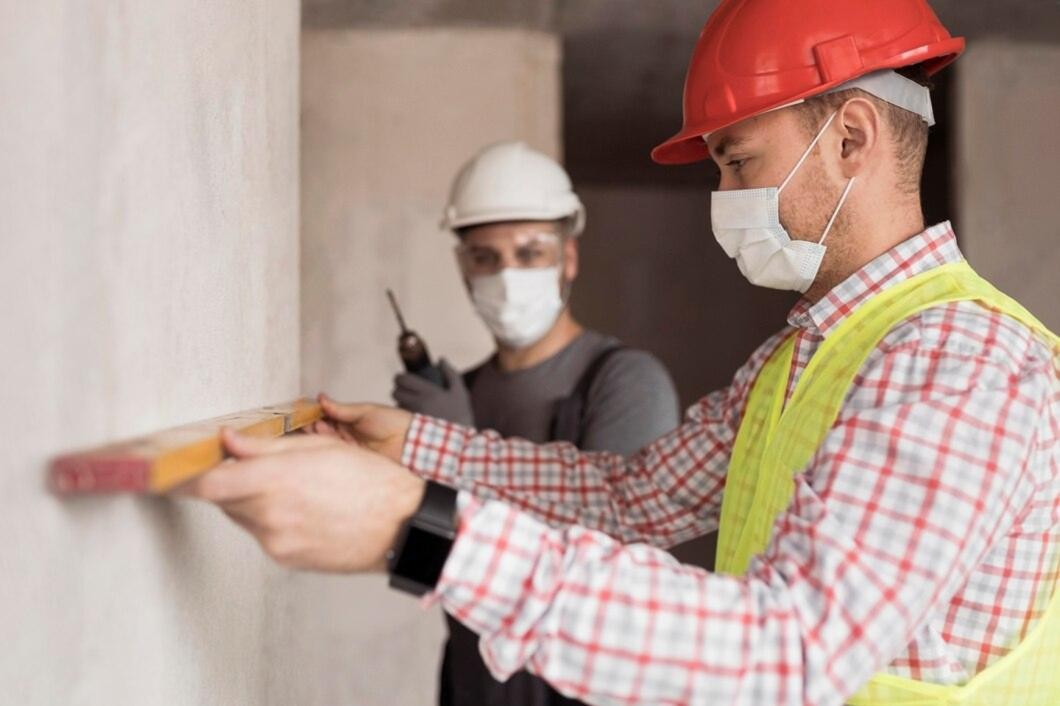
Getting the installation right matters just as much as choosing the right material in the first place. Poorly installed plasterboard or a mismatched modern system can lead to visible joints, cracking, or reduced performance over time, regardless of how good the product itself is.
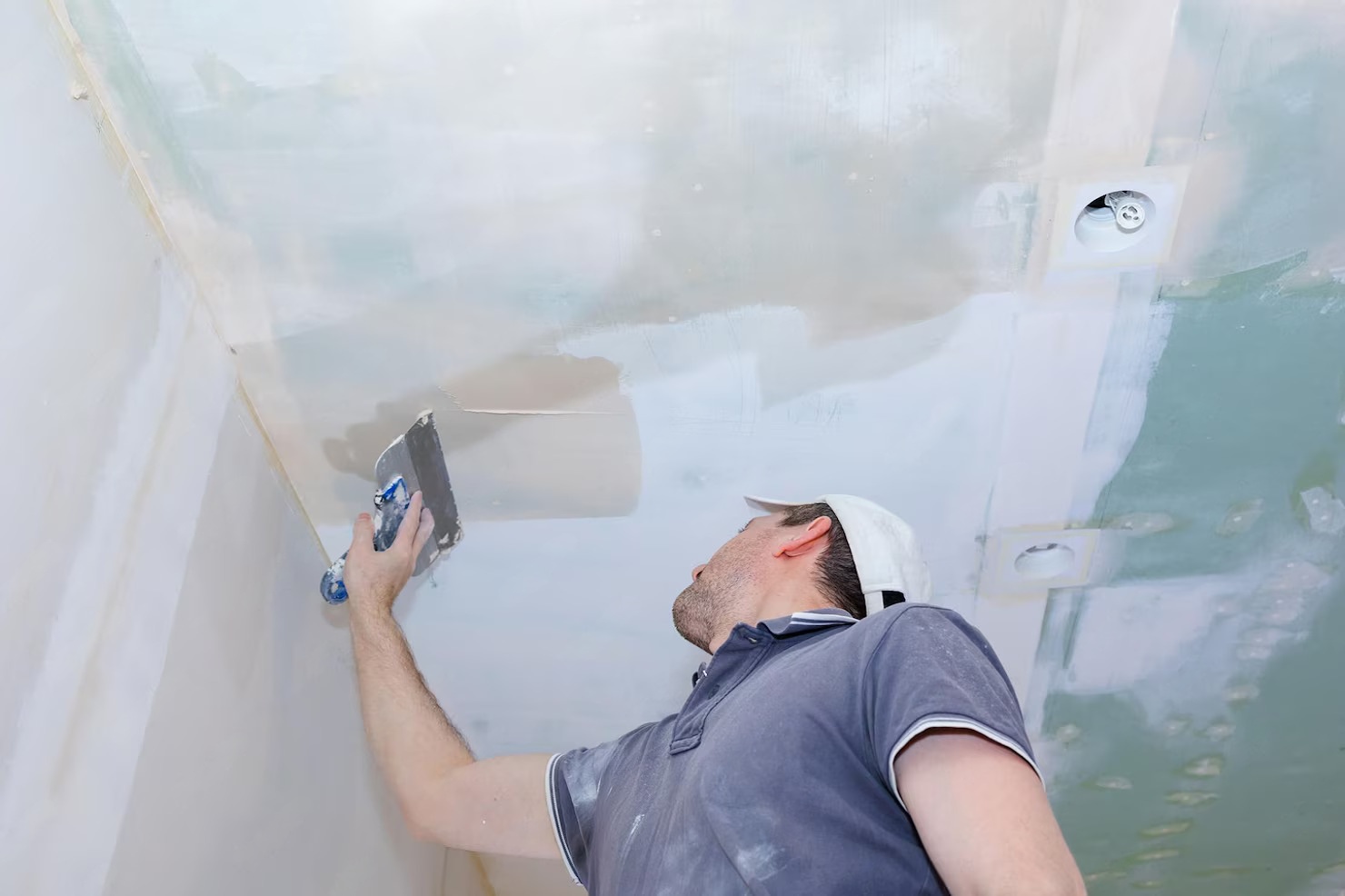
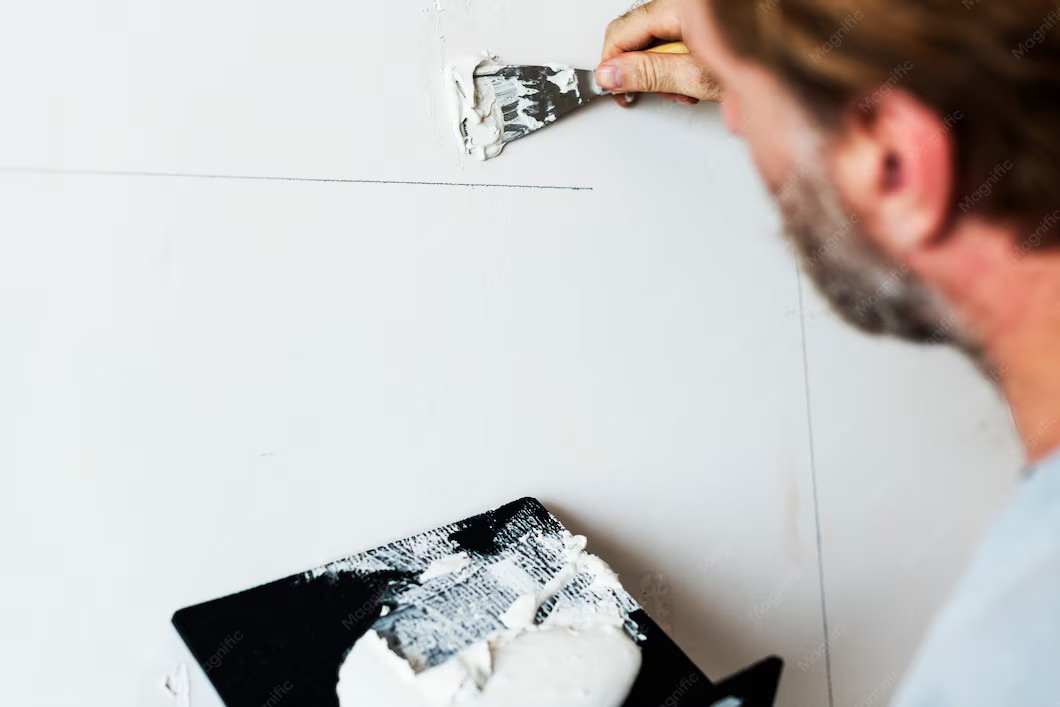
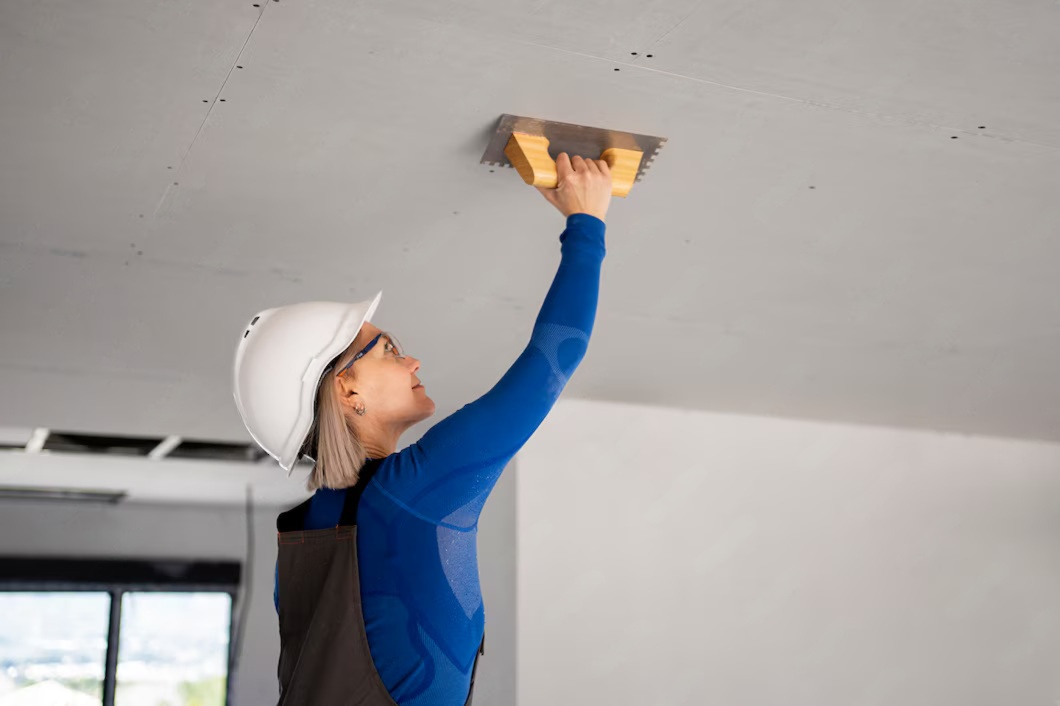
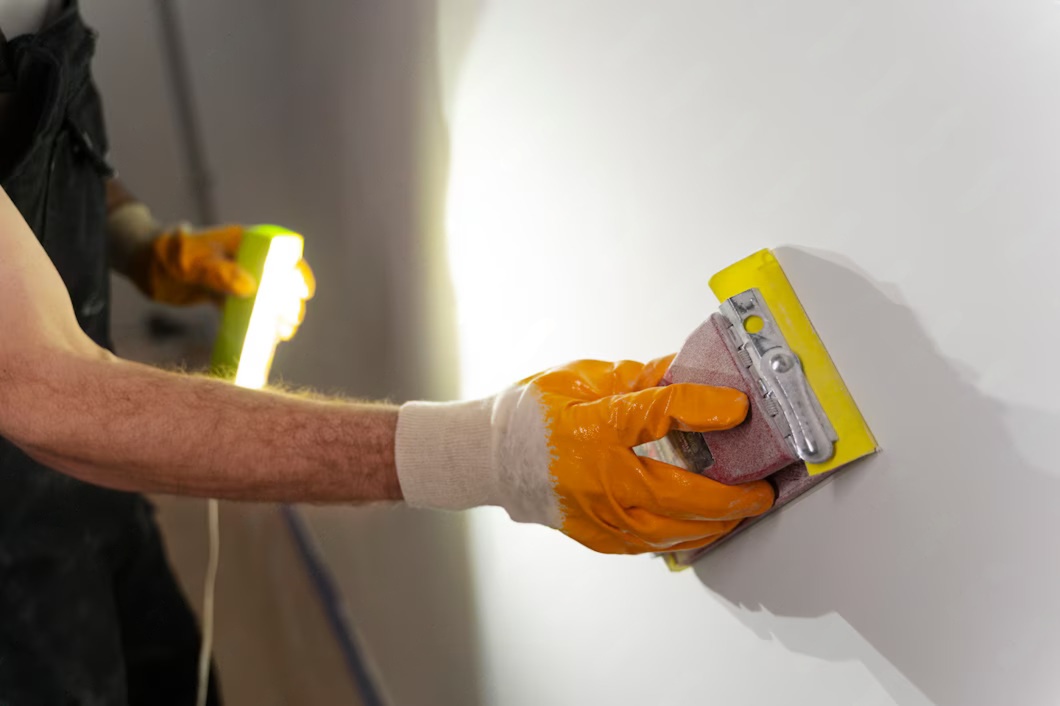
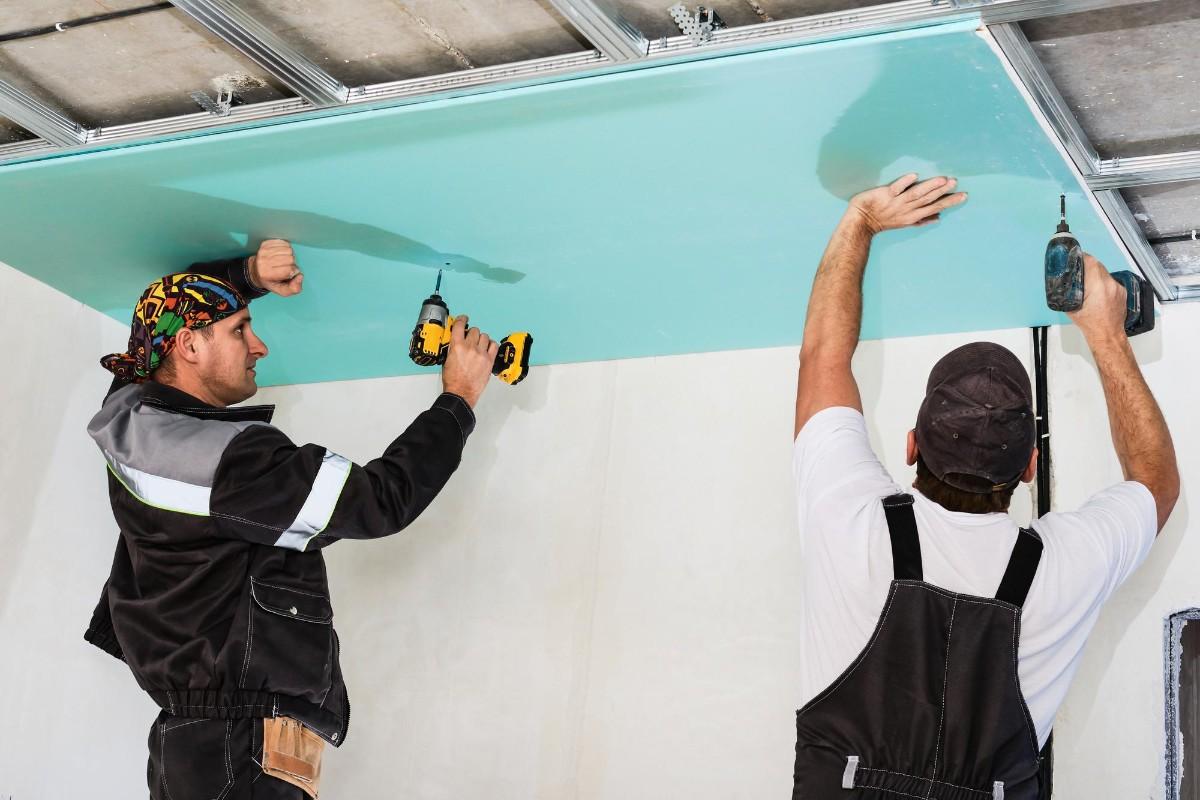
Standard plasterboard installation generally follows a well-established sequence: framing, sheeting, jointing, and sanding, followed by a final set coat ready for paint. Modern systems can vary considerably, with some requiring specific fixings, adhesives, or joint treatments that differ from traditional plastering methods.
What Proper Installation Usually Involves
Correct stud spacing and frame preparation before sheets go up
Selecting the right board type for each specific room or area
Careful jointing and taping to avoid visible seams once painted
Applying finishing coats suited to the chosen wall system
Working with an experienced provider of plasterboard installation services ensures your walls are framed, sheeted, and finished correctly from the outset, rather than needing costly corrections later. Similarly, if your project includes traditional gyprock sheeting, proper gyprock installation techniques help avoid common issues like nail popping or joint cracking down the track.
Maintenance and Longevity: What to Expect
Longevity is another area where gypsum plasterboard and modern wall systems can differ significantly, and it is worth thinking beyond the initial installation. Plasterboard, when installed correctly, can last for decades with only minor touch-ups required after general wear or the occasional impact.
Modern systems vary more widely in this regard. Some are engineered for exceptional durability in harsh conditions, while others may require specific care instructions to maintain their performance and appearance over time. It is worth asking directly about expected lifespan and maintenance requirements before committing to a less common product.
Ceilings often experience different stresses to walls, particularly around movement and settling. If cracks or sagging appear over time, a specialist in ceiling plaster repairs can assess whether the issue relates to the board itself or the surrounding structure, and repair it accordingly without unnecessary replacement.
Making the Right Choice for Your Home
There is no single correct answer when comparing gypsum plasterboard to modern wall systems, since the right choice depends on your specific rooms, budget, and priorities. For most general living spaces, plasterboard continues to offer the most practical and cost-effective outcome, without compromising on finish quality.
For wet areas, high-impact zones, or design-led feature spaces, it is worth discussing modern alternatives with an experienced plasterboard contractor who can explain the trade-offs clearly. A good contractor will not simply recommend the newest product on the market, but will match the material to the actual demands of each room.
Browsing a completed projects gallery can also help you visualise how different wall systems look once finished, giving you a clearer sense of which option suits the style you are aiming for.
Conclusion
Choosing between gypsum plasterboard and modern wall systems ultimately comes down to matching the right material to each specific room, rather than picking one option for the entire home. Plasterboard remains a dependable, well-understood choice for most living spaces, while modern systems can add genuine value in wet areas, high-impact zones, or design-focused feature walls.
If you are planning a renovation or new build and want expert advice on the best wall system for each part of your home, Magic Mud Plastering is here to help. Reach out to our team today to discuss your project and get a clear, practical recommendation tailored to your space.
Frequently Asked Questions
1. Is gypsum plasterboard still a good choice for a modern renovation?
Yes, gypsum plasterboard remains a strong choice for most rooms, offering a smooth finish, reliable fire performance, and straightforward repairs. Many modern renovations still use it throughout the majority of the home, reserving newer systems for specific problem areas.
2. Do modern wall systems cost more to install than plasterboard?
It depends on the specific product and application, though many modern systems involve more specialised handling or fixings. This can affect labour time and overall project scope compared to standard plasterboard installation.
3. Can gypsum plasterboard be used in bathrooms?
Yes, provided a moisture-resistant variant is used rather than standard plasterboard. These boards are treated to better withstand humidity and occasional water exposure common in bathrooms and laundries.
4. How long does gypsum plasterboard typically last?
When installed correctly and kept away from ongoing moisture issues, gypsum plasterboard can last for many decades with only minor repairs needed after general wear or accidental damage.
5. Are modern wall systems harder to repair than plasterboard?
Often, yes. Plasterboard is generally quicker and simpler to patch or replace, while some layered or reinforced modern systems require more specific techniques and materials for a proper repair.
6. Should I mix plasterboard and modern wall systems in the same renovation?
Many homeowners do exactly this, using plasterboard throughout most living areas while choosing a modern system for wet areas, feature walls, or high-impact zones where it offers a clear advantage.