A ceiling is something most homeowners rarely think about until something goes wrong. However, when a ceiling begins to sag, it is not just a cosmetic issue. It can be a serious safety hazard that requires immediate attention.
For homeowners and landlords on the Gold Coast, environmental factors such as humidity, heavy rainfall, and aging building materials can increase the risk of plaster ceiling damage. Ignoring early warning signs can lead to costly repairs and, in extreme cases, sudden ceiling collapse.
Understanding the signs of damage and knowing when to act can help you protect your property and the people inside it. This guide covers everything you need to know about sagging ceiling repair, including causes, warning signs, and the safest way to fix the problem.
What Causes a Sagging Ceiling
Ceilings can sag for several reasons, and identifying the root cause is essential before any repair work begins.
Water Damage
Water damage is one of the most common causes. Roof leaks, plumbing issues, or poor drainage can allow moisture to seep into the ceiling. Over time, this weakens plaster and causes it to sag or bulge.
Aging Materials
Older homes often have plaster ceilings that deteriorate over time. As materials age, they lose strength and may begin to separate from their supports.
Poor Installation
If a ceiling was not installed correctly, it may not have the structural support needed to hold its weight. This can lead to sagging even without external damage.
Excess Weight
Heavy insulation, debris, or stored items in the ceiling cavity can put pressure on the structure, causing it to bow downward.
Environmental Factors
Gold Coast homes are exposed to humidity and seasonal storms. These conditions can accelerate wear and tear, increasing the risk of plaster ceiling damage.
Early Warning Signs of Ceiling Collapse
Recognizing the early signs of damage can prevent a dangerous situation. These warning signs should never be ignored.
Visible Sagging or Bulging
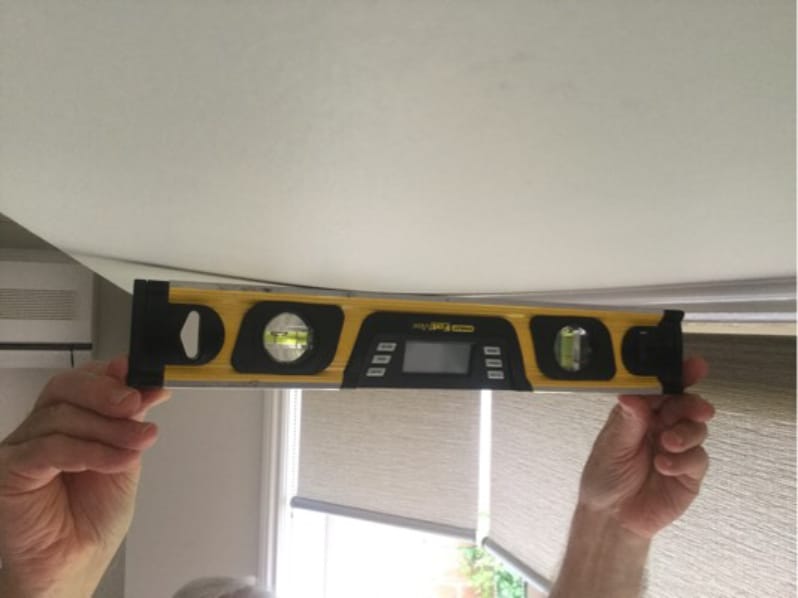
One of the most obvious signs is a section of the ceiling that appears lower than the rest. Even a slight dip can indicate structural weakness.
Ceiling Cracks
Cracks in the ceiling are often an early indicator of trouble. Long or widening cracks, especially near joints, may signal that the ceiling is under stress.
Water Stains or Damp Patches
Discoloration, such as yellow or brown stains, suggests water damage. This is a clear warning that the ceiling structure may be compromised.
Peeling Paint or Plaster
If paint begins to bubble or peel, it may be due to moisture or weakening plaster beneath the surface.
Unusual Sounds
Creaking, popping, or cracking noises can indicate movement within the ceiling structure.
Movement or Flexing
If the ceiling feels soft or moves when touched, it is a strong sign that immediate repair is needed.
These ceiling collapse warning signs should be taken seriously to avoid further damage.
When a Sagging Ceiling Becomes an Emergency
Not all ceiling damage requires immediate evacuation, but certain situations demand urgent action.
You should treat it as an emergency if:
The sagging area is large or worsening quickly
Water is actively leaking
The ceiling appears to be separating from its supports
There are loud cracking sounds or visible movement
In these cases, it is safest to clear the area and contact a professional immediately. A collapsing ceiling can cause injury and significant property damage.
Why You Should Never Ignore Ceiling Sagging
Ignoring a sagging ceiling can lead to serious consequences.
Safety Risks
A weakened ceiling can collapse without warning, posing a risk to anyone in the room.
Increased Repair Costs
Delaying repairs often leads to more extensive damage, which increases the cost of fixing the problem.
Property Damage
A ceiling collapse can damage furniture, flooring, and personal belongings.
Structural Issues
In some cases, ceiling damage may indicate deeper structural problems within the home.
Addressing issues early is always the safer and more cost-effective option.
How Professionals Fix Sagging Ceilings
Professional repair ensures that the problem is fixed safely and correctly.
Inspection and Assessment
The first step is a thorough inspection to determine the cause and extent of the damage. This may involve checking for water leaks, structural issues, or material failure.
Removing Damaged Materials
Compromised plaster or ceiling boards are carefully removed to prevent further collapse.
Repairing or Replacing Ceiling Boards
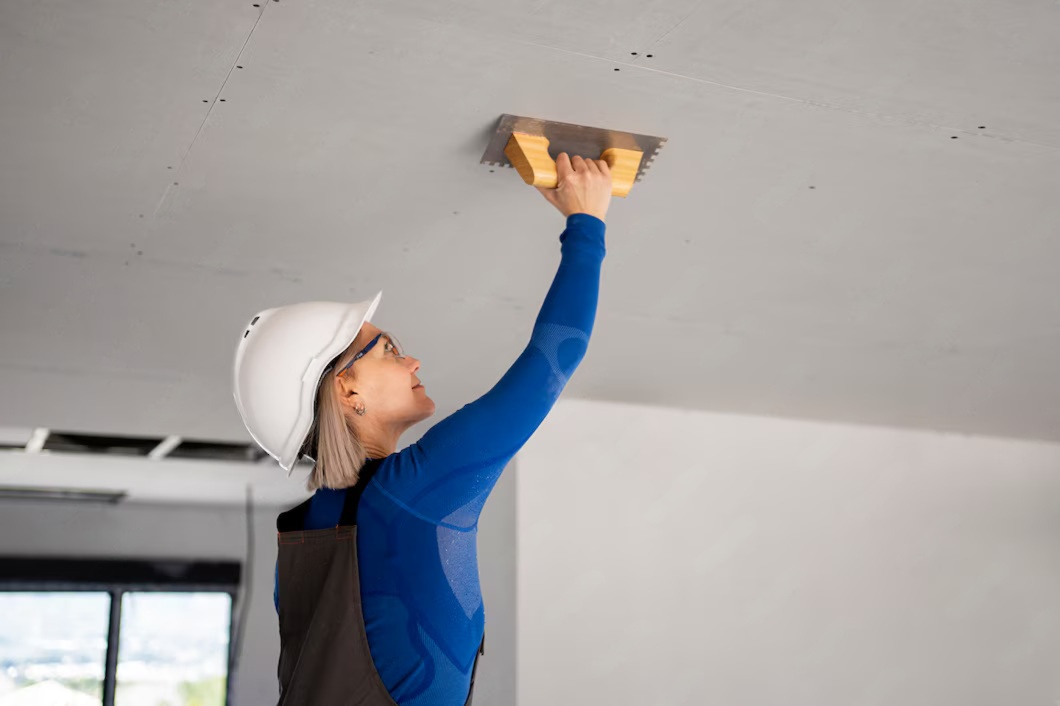
Depending on the severity, the ceiling may be re-secured or completely replaced. This step ensures the structure is stable.
Reinforcement and Re-plastering
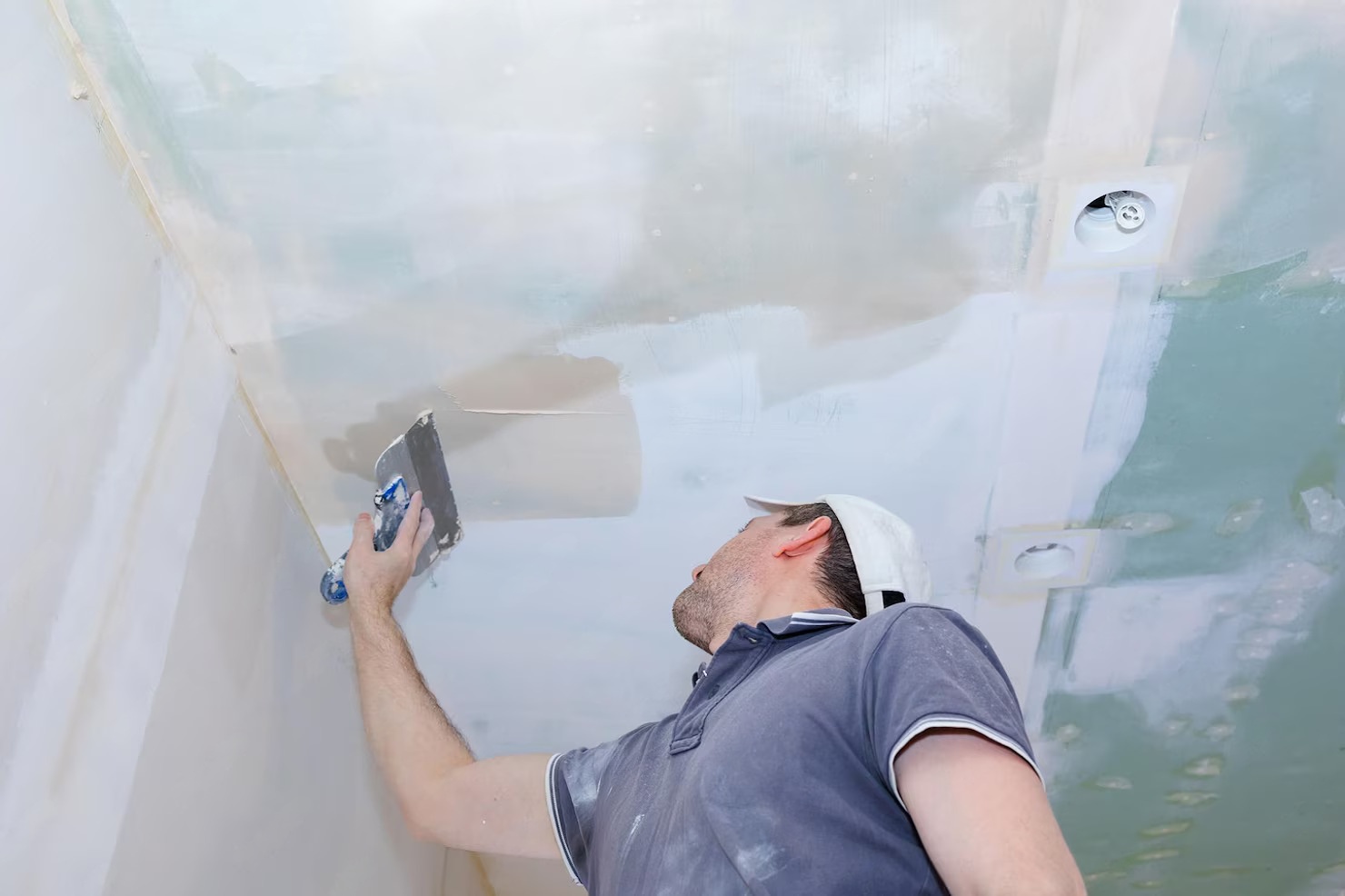
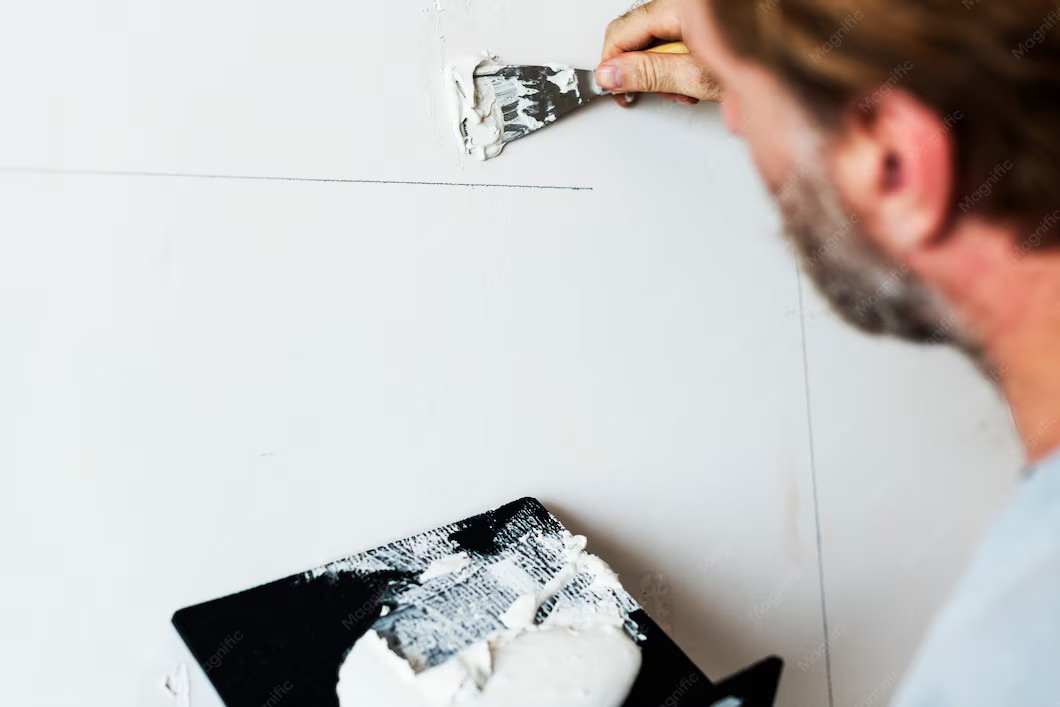
New materials are installed, and the ceiling is reinforced to prevent future sagging. A fresh plaster finish restores the surface.
Finishing and Painting
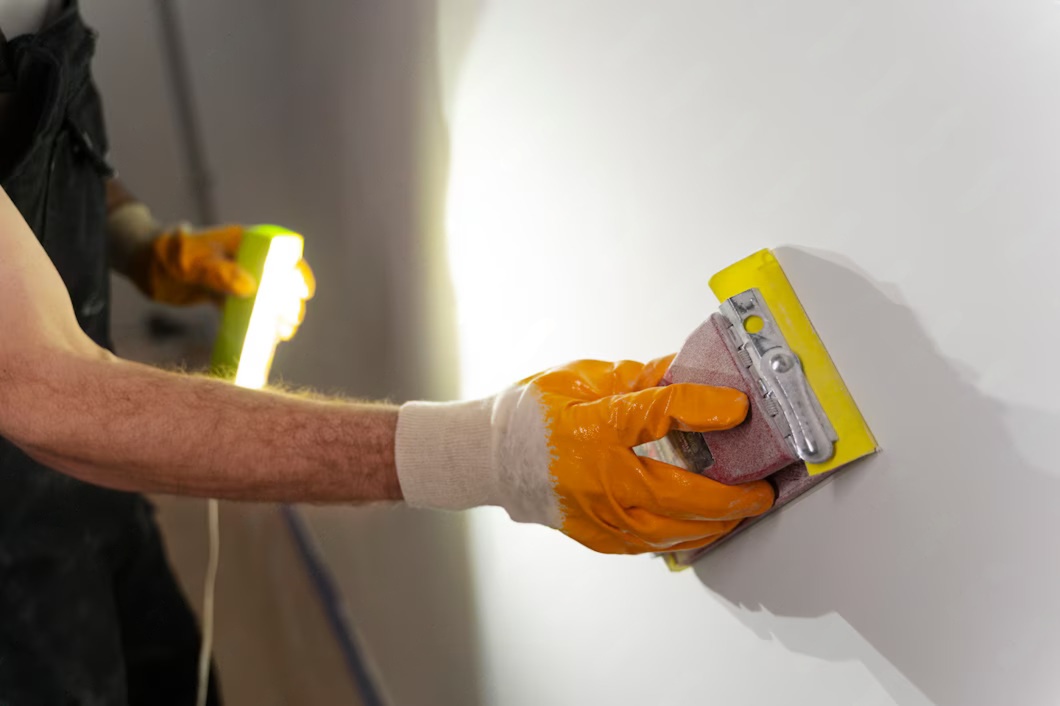
Once repairs are complete, the ceiling is sanded and painted to match the rest of the room.
This process ensures a long-lasting and safe solution for ceiling plaster repair.
Can You Fix a Sagging Ceiling Yourself
While some homeowners may attempt minor repairs, fixing a sagging ceiling is not typically a DIY job.
Temporary fixes may hide the problem but do not address the underlying cause. Without proper tools and expertise, there is also a risk of injury.
Professional services are recommended for most cases, especially when dealing with significant sagging or water damage.
Preventing Future Ceiling Damage
Preventative maintenance can help you avoid costly repairs in the future.
Regular Roof Inspections
Check your roof for leaks or damage, especially after heavy rain.
Fix Leaks Quickly
Address plumbing or roof leaks as soon as they are detected.
Manage Indoor Humidity
Use ventilation or dehumidifiers to reduce moisture levels inside the home.
Inspect Ceilings Periodically
Look for early signs such as cracks or stains and take action promptly.
Use Quality Materials
Professional installation with high-quality materials can extend the life of your ceiling.
Taking these steps can reduce the risk of needing to fix sagging plaster ceiling issues later.
Why Choose Magic Mud Plastering for Ceiling Repairs
Choosing the right professional makes a significant difference in the quality and safety of your repair.
Magic Mud Plastering understands the unique conditions faced by Gold Coast homes. Their team is experienced in handling all types of repair ceiling sagging projects, from minor fixes to major restorations.
They focus on safety, durability, and high-quality workmanship. With a strong understanding of local environmental factors, they provide solutions designed to last.
Their prompt response and professional approach ensure that your ceiling is repaired quickly and effectively.
Conclusion
A sagging ceiling is a warning sign that should never be ignored. What may start as a small issue can quickly escalate into a serious safety risk if left untreated.
By understanding the causes and recognizing early warning signs, homeowners and landlords can take action before the problem worsens. Timely sagging ceiling repair not only protects your property but also ensures the safety of everyone inside.
If you have noticed any signs of ceiling damage, it is important to act quickly. Delaying repairs can increase risks and costs. Contact Us today to schedule a professional inspection and get reliable solutions for your ceiling repair needs. Their team is ready to help you restore safety and peace of mind in your home.
Frequently Asked Questions
Q1. What causes a sagging ceiling?
Common causes include water damage, aging materials, poor installation, and excess weight in the ceiling cavity.
Q2. Is a sagging ceiling dangerous?
Yes, it can be dangerous if left untreated. A severely damaged ceiling may collapse.
Q3. How much does sagging ceiling repair cost?
The cost depends on the extent of the damage, the size of the area, and the underlying cause.
Q4. Can I fix a sagging ceiling myself?
Minor cosmetic fixes may be possible, but most cases require professional repair for safety and durability.
Q5. How do I know if my ceiling is about to collapse?
Look for severe sagging, large cracks, water damage, and unusual sounds such as creaking or cracking.