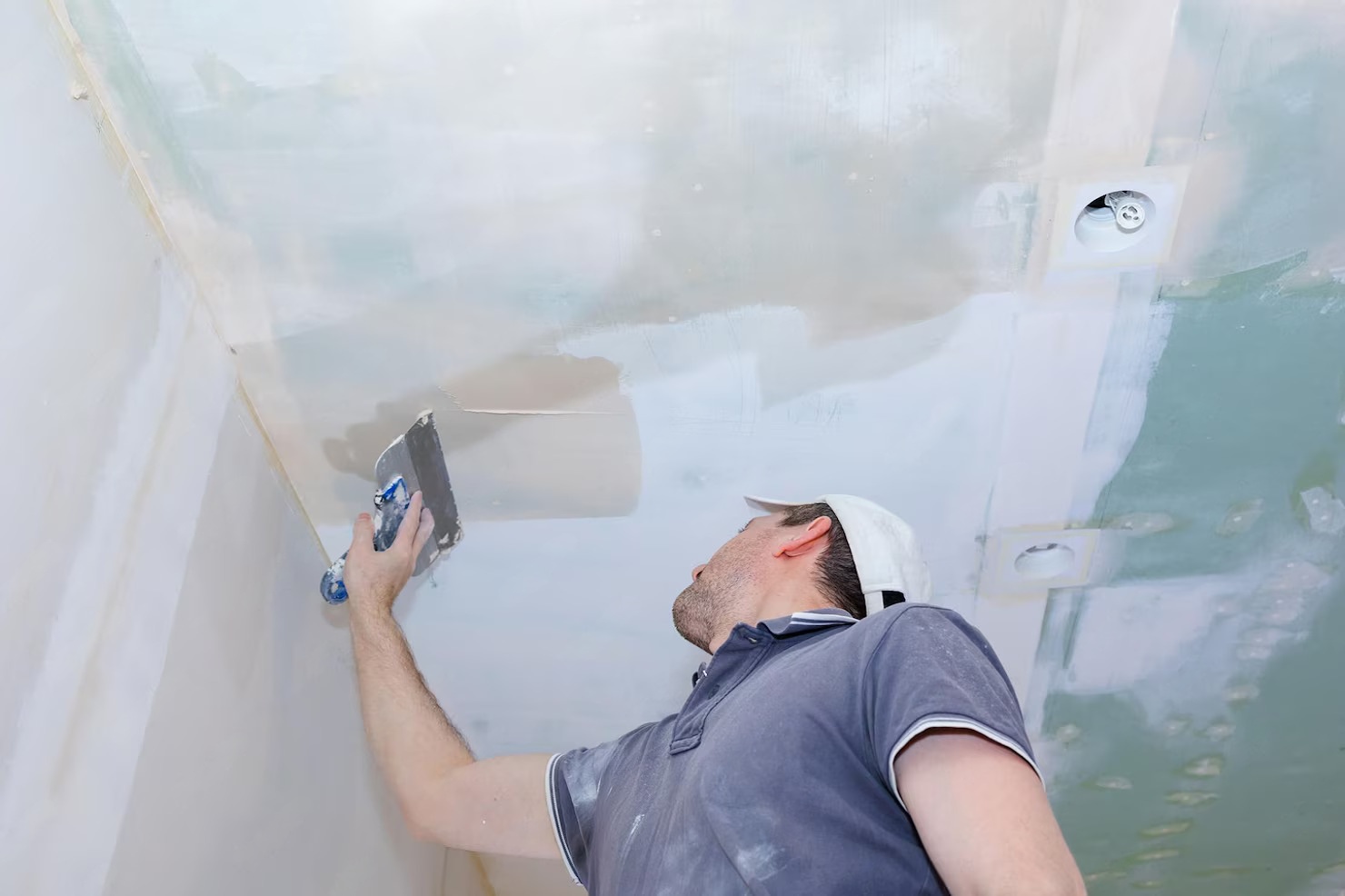
Plasterboard damage is something most homeowners face at some point. Cracks appear, walls feel soft, ceilings sag, or stains begin to show. When this happens, many people wonder whether a simple repair will solve the issue or if it is time to replace the plasterboard entirely. Making the wrong decision can lead to recurring problems, higher costs, and potential safety risks.
Understanding when to replace plasterboard is essential for protecting your home and your investment. This guide is designed to help homeowners identify the signs of wall damage, understand the risks involved, and make informed renovation decisions with confidence.
Why the Repair vs Replace Decision Matters for Homeowners
Choosing between repairing and replacing plasterboard affects more than just appearance. It impacts safety, durability, and long term costs. A repair may seem like the cheaper option, but in some cases, it only hides deeper problems that return later.
Repeated patch repairs can weaken walls over time. Moisture issues left untreated can spread and cause mould growth or structural damage. In these situations, replacement is often the safer and more cost effective solution.
Making the right decision early helps prevent ongoing repairs, protects indoor air quality, and ensures your walls and ceilings remain strong and stable for years to come.
Understanding Common Types of Plasterboard Damage
Plasterboard damage can range from minor cosmetic flaws to serious structural concerns. Identifying the type of damage is the first step toward deciding whether to repair or replace.
Small cracks and dents are often caused by everyday wear and tear. These issues are usually superficial and easy to fix. Water-damaged drywall, on the other hand, is a more serious concern. Moisture weakens plasterboard and creates the perfect environment for mould growth.
Mould plasterboard problems pose health risks and should never be ignored. Structural issues such as sagging ceilings or bowed walls may indicate damage beyond the plasterboard itself. These situations often require replacement rather than repair.
Signs of Wall Damage That Can Be Repaired
Not all plasterboard damage requires replacement. Many issues can be repaired effectively when addressed early and correctly.
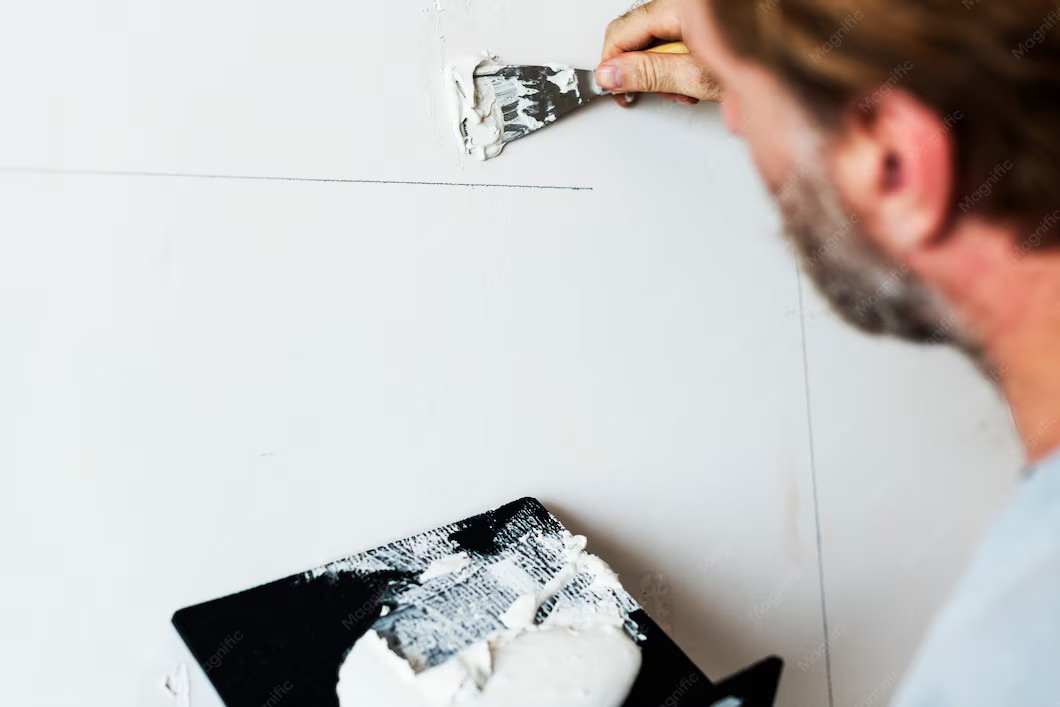
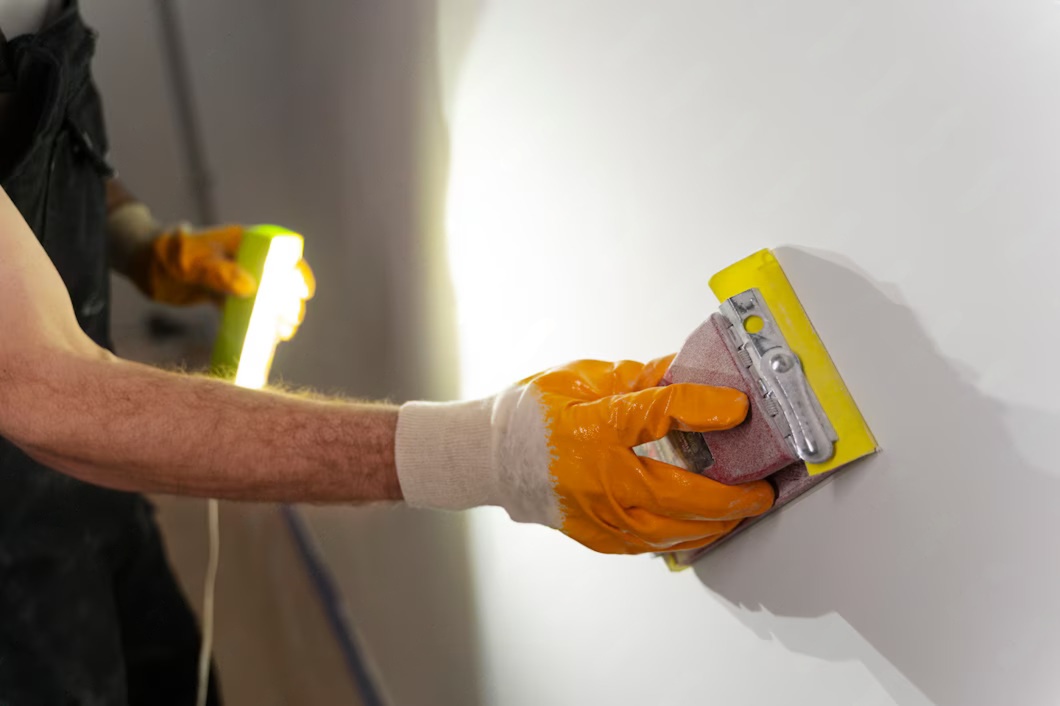
Small cracks caused by settling or temperature changes are usually repairable. Nail pops and minor dents from furniture or door handles can also be patched without replacing the board.
Surface level damage that shows no signs of moisture or mould is typically safe to repair. In these cases, a professional repair restores the wall’s appearance and strength without the need for full replacement.
Signs You Should Replace Plasterboard Instead of Repairing It
Some warning signs clearly indicate that replacement is the better option. Persistent water damage is one of the most common reasons plasterboard needs to be replaced. Even if the surface looks dry, moisture may still be trapped inside.
Visible mould or ongoing musty smells are strong indicators that plasterboard replacement is necessary. Mould can spread quickly and affect indoor air quality, making replacement the safest solution.
Sagging ceilings or soft walls suggest the plasterboard has lost its structural integrity. Structural issues behind the wall, such as damaged framing, also require removal and replacement of the plasterboard.
If repairs have been done multiple times and the problem keeps returning, replacement often saves money and frustration in the long run.
Replace Plasterboard or Repair: Key Questions to Ask
Homeowners can ask a few key questions to guide their decision. Is the damage purely cosmetic, or does it affect the structure? Cosmetic damage can usually be repaired, while structural damage often requires replacement.
Is moisture present or likely to return? Moisture related issues usually call for replacement to prevent future problems.
How old is the plasterboard? Older materials may not perform as well and can benefit from replacement during renovations.
Will a repair last long term, or is it only a temporary fix? If durability is a concern, replacement is often the smarter choice.
Renovation Decisions That Require Plasterboard Replacement
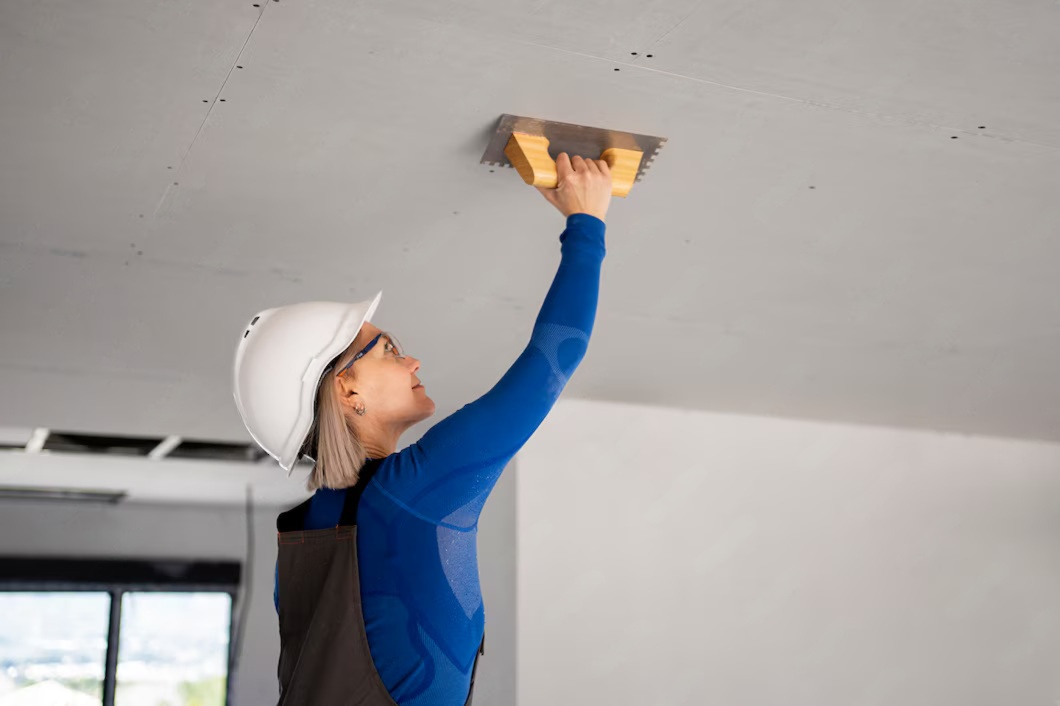
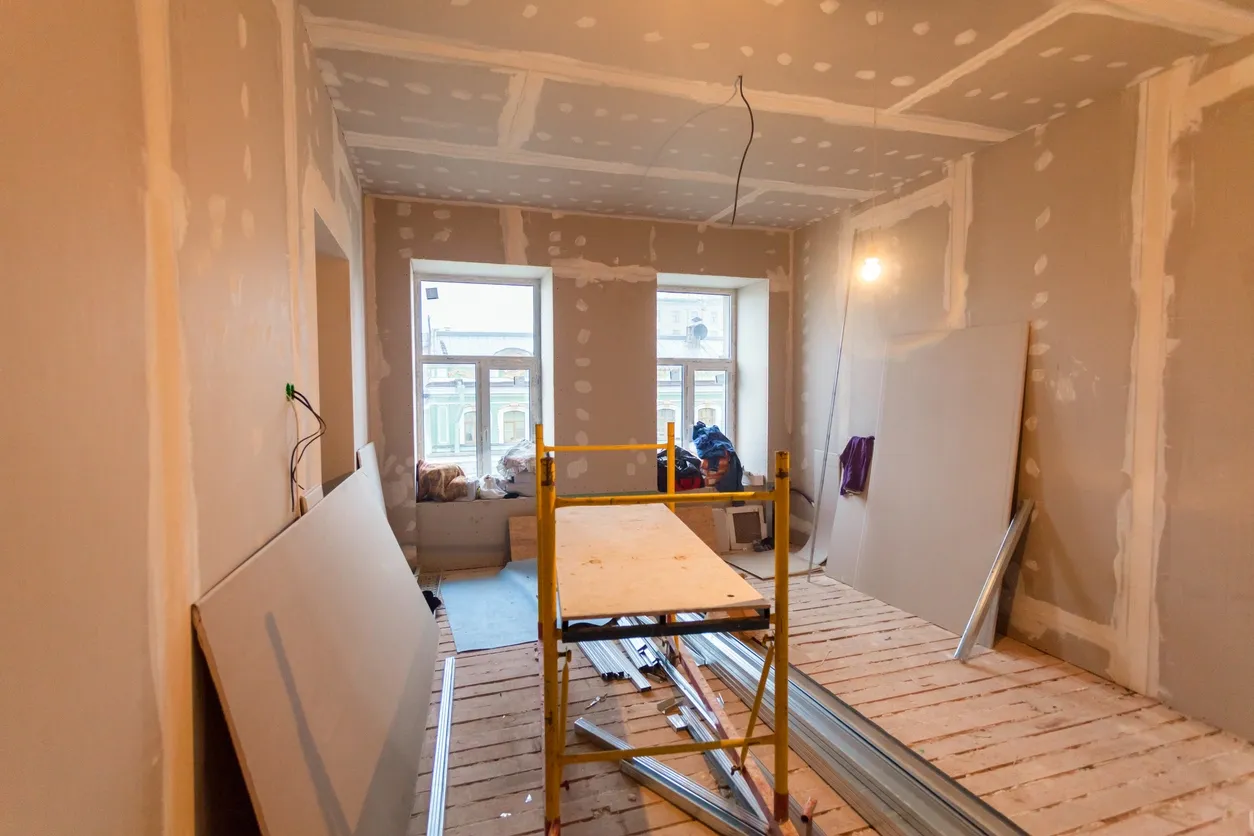
Many renovation projects involve replacing plasterboard rather than repairing it. Ceiling replacement is common during major renovations, especially when upgrading lighting, insulation, or fixing long standing damage.
Wall removal or layout changes also require plasterboard replacement. Upgrading insulation or electrical wiring often means removing existing plasterboard and installing new sheets afterward.
Wet areas such as bathrooms and laundries benefit from moisture resistant plasterboard. Replacement in these areas improves durability and reduces the risk of future water damage.
Cost Considerations: Repairing vs Replacing Plasterboard
Cost is a major factor in renovation decisions. Repairs usually have a lower upfront cost, especially for minor damage. However, repeated repairs can add up quickly if the underlying issue remains unresolved.
The cost to replace a ceiling or wall depends on the extent of damage, accessibility, and materials used. While replacement costs more initially, it often provides better value over time.
Water-damaged drywall and mould plasterboard problems usually require replacement to avoid future expenses related to health issues or structural repairs. Investing in proper replacement can prevent larger costs later.
Why Professional Assessment Matters
Determining whether to replace plasterboard or repair it is not always straightforward. Hidden damage behind walls can be difficult to detect without experience.
Professional plasterers can identify moisture issues, structural concerns, and mould risks that homeowners may overlook. This assessment helps ensure the right solution is chosen from the start.
Professional workmanship also ensures repairs or replacements meet safety standards and last longer. Quality installation reduces the likelihood of recurring problems and protects your home’s value. For expert service you can trust, contact us today to schedule an inspection or consultation.
Final Thoughts: Making the Right Choice for Your Home
Deciding when to replace plasterboard instead of repairing it requires careful consideration. Repairs are suitable for minor, cosmetic damage with no moisture or structural issues.
Replacement is the better option when damage is extensive, moisture related, or recurring. It provides long term durability and peace of mind for homeowners.
Making informed renovation decisions protects your home, your health, and your investment. When in doubt, seeking professional advice helps ensure the best outcome.
If you are unsure whether to replace plasterboard or repair it, the team at Magic Mud Plastering Sunshine Coast can help. With professional assessment and expert workmanship, we help homeowners make the right choice for long lasting results. Contact us today to discuss your plasterboard repair or replacement needs and protect your home with confidence.
Frequently Asked Questions (FAQs)
Q: When should plasterboard be replaced instead of repaired?
A: Plasterboard should be replaced when there is water damage, mould, sagging, or structural issues. Repeated repairs that fail are also a sign replacement is needed.
Q: Is water-damaged drywall safe to repair?
A: In most cases, water-damaged drywall should be replaced. Moisture weakens the material and can lead to mould growth if not removed completely.
Q: Can mouldy plasterboard be cleaned and repaired?
A: Surface mould may sometimes be cleaned, but mould that penetrates the plasterboard usually requires replacement to prevent health risks.
Q: What is the cost to replace a ceiling?
A: The cost depends on ceiling size, damage severity, and accessibility. A professional assessment provides accurate pricing based on your specific situation.
Q: How do I know if wall damage is structural?
A: Signs include sagging walls, large cracks, and movement. A professional plasterer can inspect and determine whether structural issues are present.